Champagne
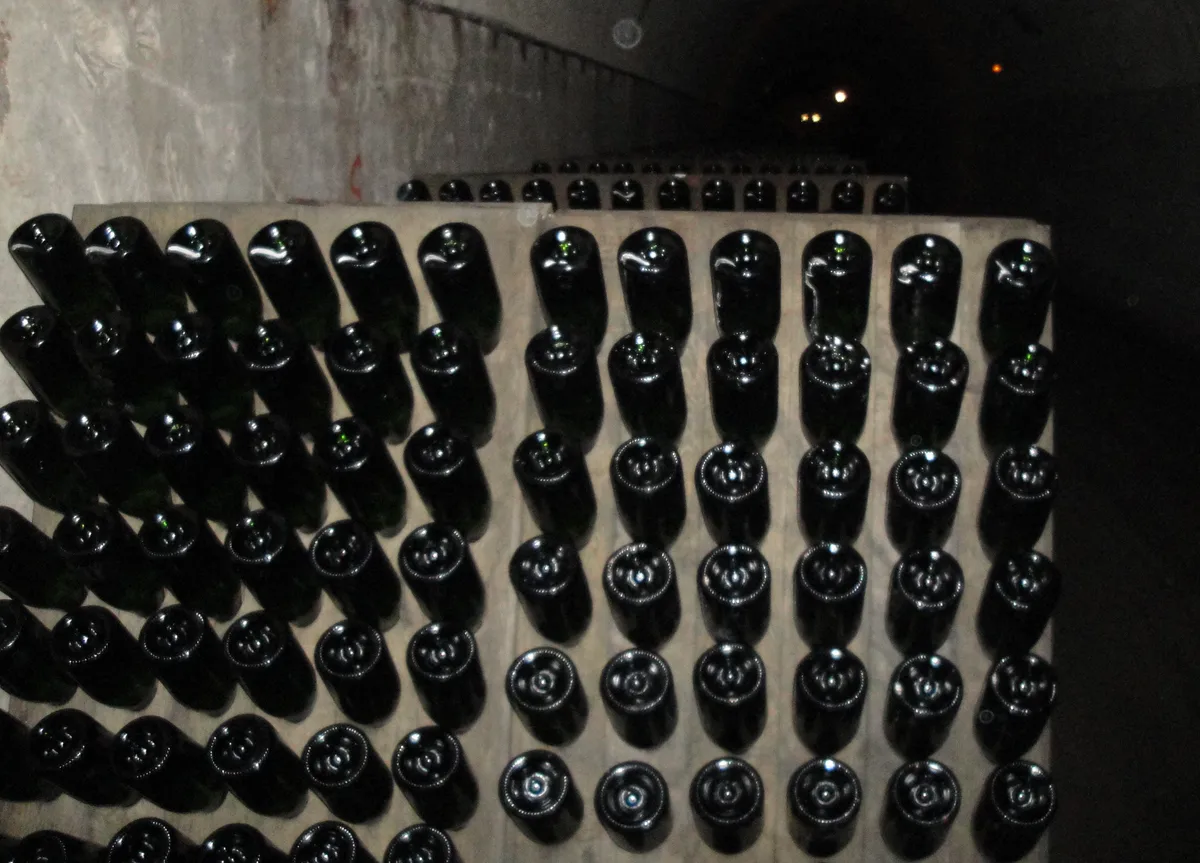
Acidity, fine bubbles and time on lees give Champagne its distinctive depth.
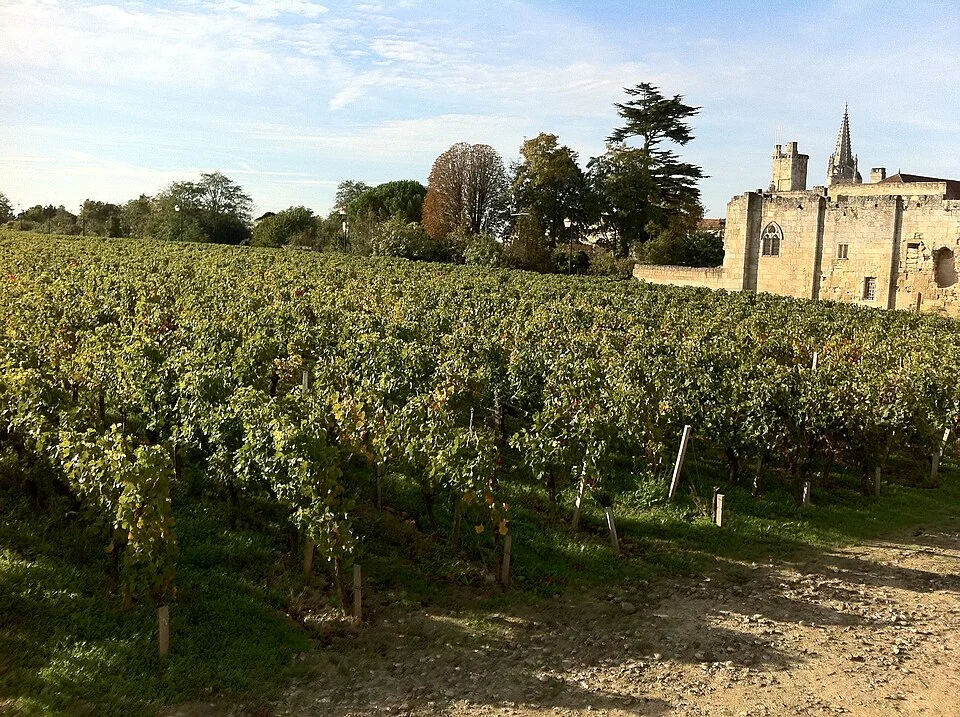
Terroirs, appellations and label clues
Blanc de blancs uses white grapes; blanc de noirs is white Champagne from black grapes. Vintage and non-vintage describe harvest years, while brut and demi-sec describe sugar. These are separate axes: vintage does not mean sweeter.
To get started
Compare a Chardonnay-focused wine with a blend: acidity, texture and fruit expression need not feel the same.
Key grapes
Chardonnay: From crisp and mineral to broad and buttery. Compare an unoaked version with a barrel-aged one: the grape stays the same, while fermentation and ageing change texture.
Pinot Noir: Finesse, red fruit and a clear sense of place. Serve it slightly cool and watch its perfume open in the glass; too much warmth accentuates alcohol.
Meunier: Supple fruit and roundness in Champagne blends. In a Champagne blend, look for its fruit and suppleness beside Pinot Noir and Chardonnay.
Compare regions
Chardonnay rose. The 2025 specification added Chardonnay Rose to the authorised varieties. It joins Arbane, Petit Meslier, Pinot Blanc and Pinot Gris as minor varieties alongside the dominant trio of Chardonnay, Pinot Noir and Meunier. Voltis is an adaptation variety allowed under an agreement. Check the producer’s technical notes for the actual blend. Product specification · Champagne ↗.
Style descriptions are guides, not rules: vintage, vineyard, blending and maturation change the result.
Two routes to understand styles
Blanc de blancs
Blanc de noirs
Keep dosage categories comparable and check vintage or harvest blending. These grape-colour terms do not by themselves state time on lees.
Read dosage and the producer code separately
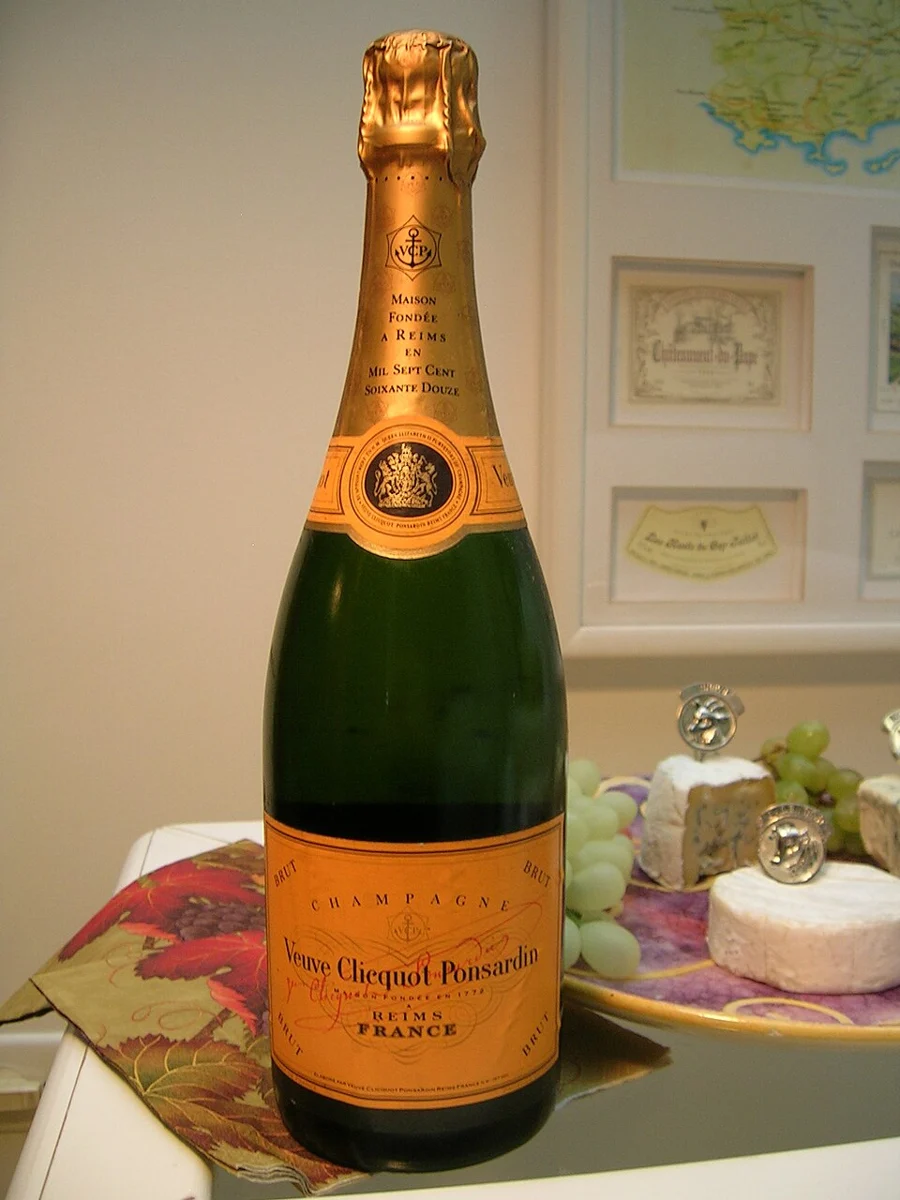
Extra dry Champagne is in a sweeter category than brut. Brut nature requires less than 3 g/L of sugar and no sugar added after the second fermentation. Comité Champagne: dosage.
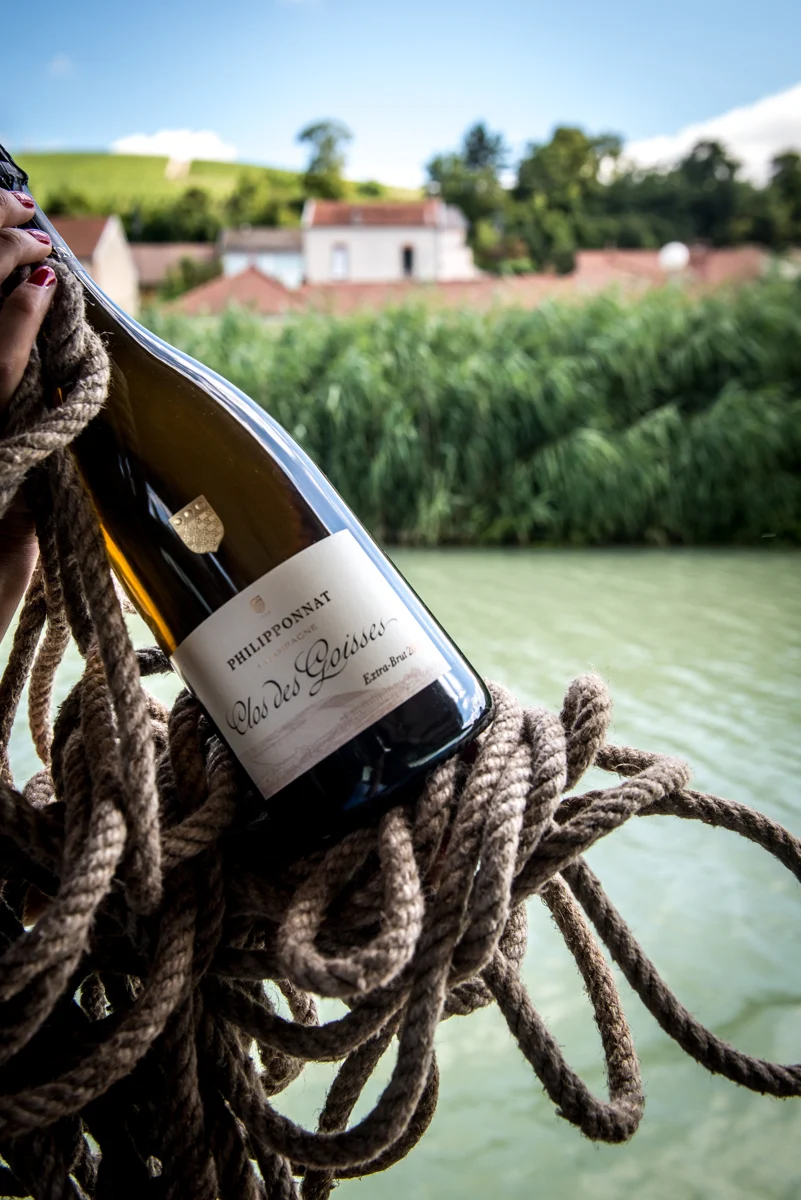
The registration letters identify the type of operator, such as RM (grower producer) or NM (merchant producer). Read them independently of the sweetness category and the grape varieties. Comité Champagne: read the label.
Still wines from the Champagne vineyards
The Champagne appellation is for sparkling wine. The vineyards also produce still wines under the Coteaux champenois and Rosé des Riceys appellations. Rosé des Riceys is a still rosé made from Pinot Noir.