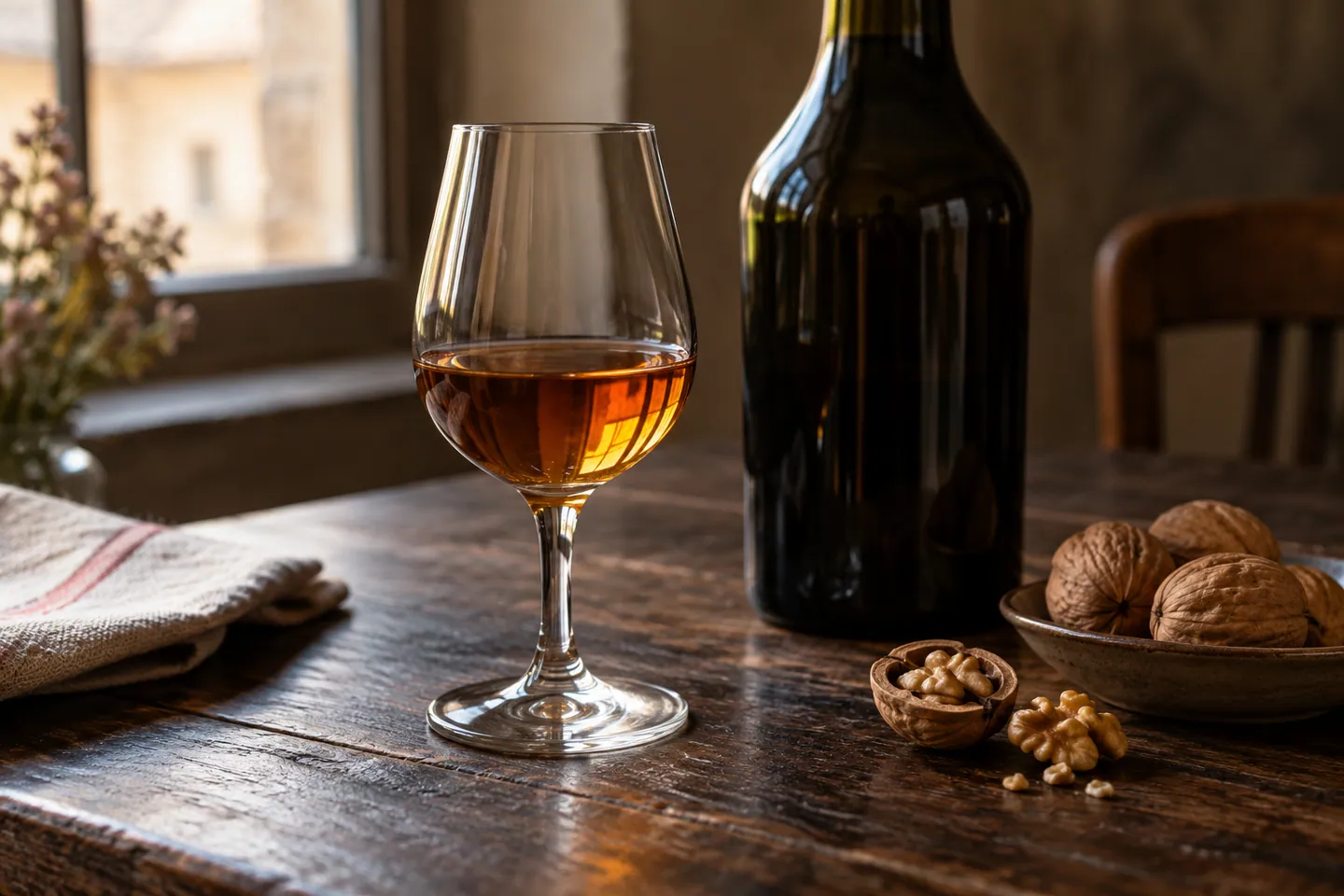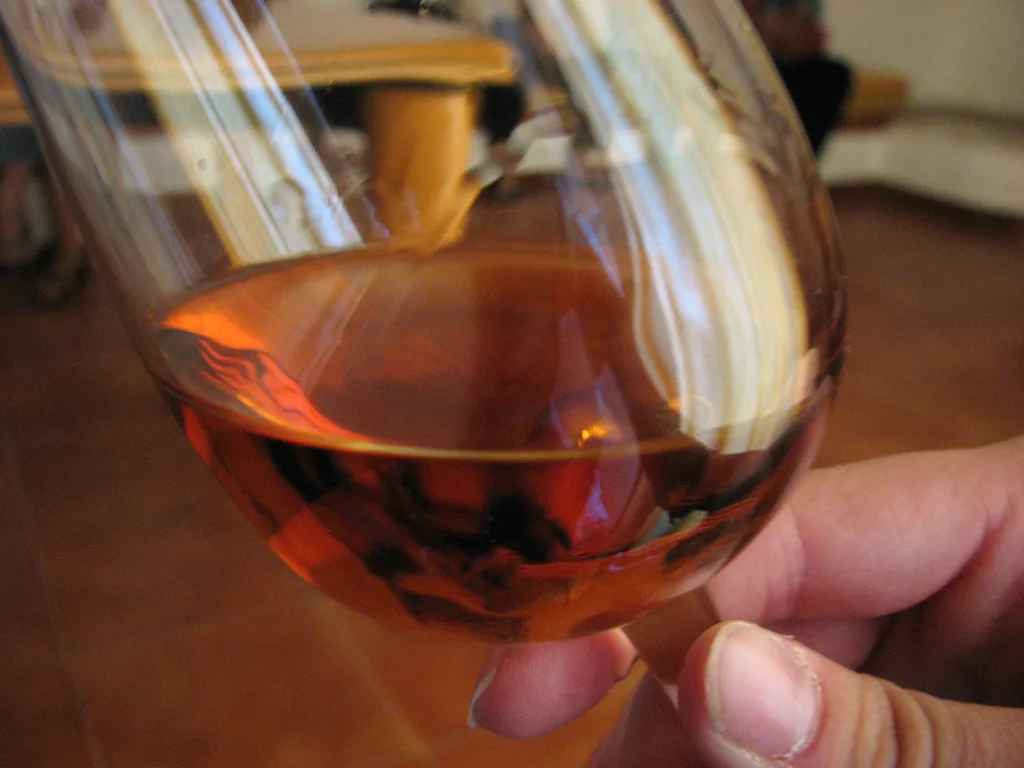
Wine tasting in Marsala
Learn · 2 min read

Understanding sweetness in wine

Dry, off-dry or sweet: distinguish sugar from fruit and a round texture.

Wine tasting in Marsala · © Christina Snyder · Source · CC BY 2.0

Learn

Understanding sweetness in wine

Dry, off-dry or sweet: distinguish sugar from fruit and a round texture.

01

Residual sugar remains after fermentation. A wine can smell of ripe fruit yet be dry: aroma does not measure sweetness.

02

Acidity can make the same amount of sugar feel less obvious. Taste after swallowing: freshness and sweetness can coexist.

03

Label terms are not universal: “dry” and “off-dry” may follow different thresholds by wine type and country. Read them in context.

04

At the table, wine should be at least as sweet as dessert. A little sweetness can soften chilli heat in spicy dishes.

05

To compare, serve two wines at similar temperatures, taste from drier to sweeter and note perceived sugar, acidity and fruit separately.

Put the guide into practice

Separate a fruity aroma from actual sweetness in the mouth. A wine can smell of ripe fruit without tasting sweet. Look for the producer’s stated sweetness or analytical information when the distinction matters for your meal.

An exercise for comparison

For a dessert, taste the food and wine together rather than assuming a fruit aroma is enough. Record sweetness and freshness separately. Terms from sparkling-wine labels should not be treated as universal sweetness categories for every still wine.
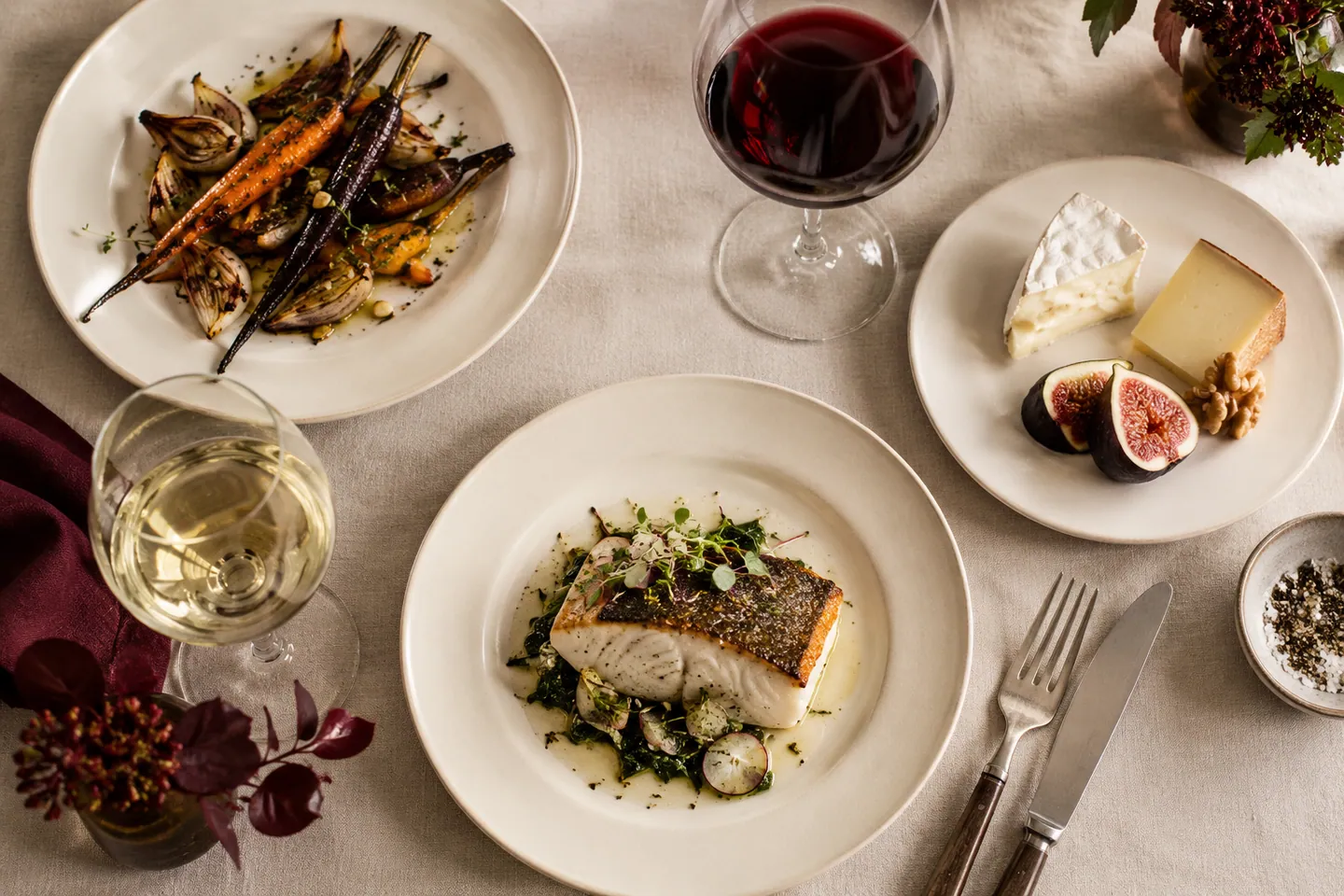
Choose wine for a cheese board ↗

Frequently asked questions

Does honey aroma always mean sugar?

No. Aroma and taste differ. Assess sweetness on the palate and check residual sugar; acidity can make sugar less obvious.

About the images

Illustrative images are AI-generated for FRANCE VINS. Landscapes evoke wine regions; grape images illustrate grapes without identifying a variety.

Terms for reading this guide

  • Residual sugar: Sugar present in wine after fermentation. Separate its amount from perceived sweetness, which is also influenced by acidity. Fruit aroma does not measure sugar.
  • Brut: Sparkling-wine sweetness term. For Champagne it means less than 12 g sugar per litre. It does not mean zero sugar or superior taste.
  • Extra-dry: Despite its name, this is sweeter than brut in Champagne categories: 12–17 g sugar per litre. Read the category rather than translating dry literally.

Champagne sweetness: reading labels

These pointers concern Champagne. Do not transfer them to still wine; extra-dry is sweeter than brut despite its name. Check complete thresholds and conditions in the source and bottle information.

TermSugar in g/L
Brut nature< 3: no added sugar
Extra brut0–6
Brut< 12
Extra-dry12–17
Sec17–32
Demi-sec32–50
Doux> 50
Reading the label

Sugar and acidity: read the numbers together

For still wines under the European framework, dry does not necessarily mean zero sugar. Total acidity affects certain limits. Sparkling wines use a separate set of terms.

A still white wine with 8.3 g/L of sugar and 6.3 g/L of total acidity is exactly at the 2 g/L difference allowed for “dry” in this table. Revised table of still wine terms (2023) · PDF in French.

Still wine · European terms
TermNominal guideline
DryUp to 4 g/L; up to 9 g/L if sugar − total acidity ≤ 2 g/L.
Medium dryAbove the dry limit; up to 12 g/L, or 18 g/L if sugar − total acidity ≤ 10 g/L.
Medium sweetAbove the medium-dry limit; up to 45 g/L.
SweetAt least 45 g/L. At 45 g/L, medium sweet and sweet overlap.

Total acidity must be expressed in g/L of tartaric acid. pH is a different measurement: do not enter it in this field.

The same sugar, three readings

Still wine · acidity 6 g/L8 g/L → Dry
Still wine · acidity 5 g/L8 g/L → Medium dry
Sparkling wine8 g/L → Brut

Theoretical examples with 8 g/L sugar, without tolerances. Acidity is expressed as tartaric acid.

An educational reading of the nominal bands in Annex III to Regulation (EU) 2019/33. Analytical tolerances and appellation-specific rules are not calculated. Some terms overlap; only one appears on the label. The result does not certify a bottle’s compliance.

References : EU 2019/33 · III · Deutsches Weininstitut

Use the sweetness decoder → · Understanding wine sweetness →