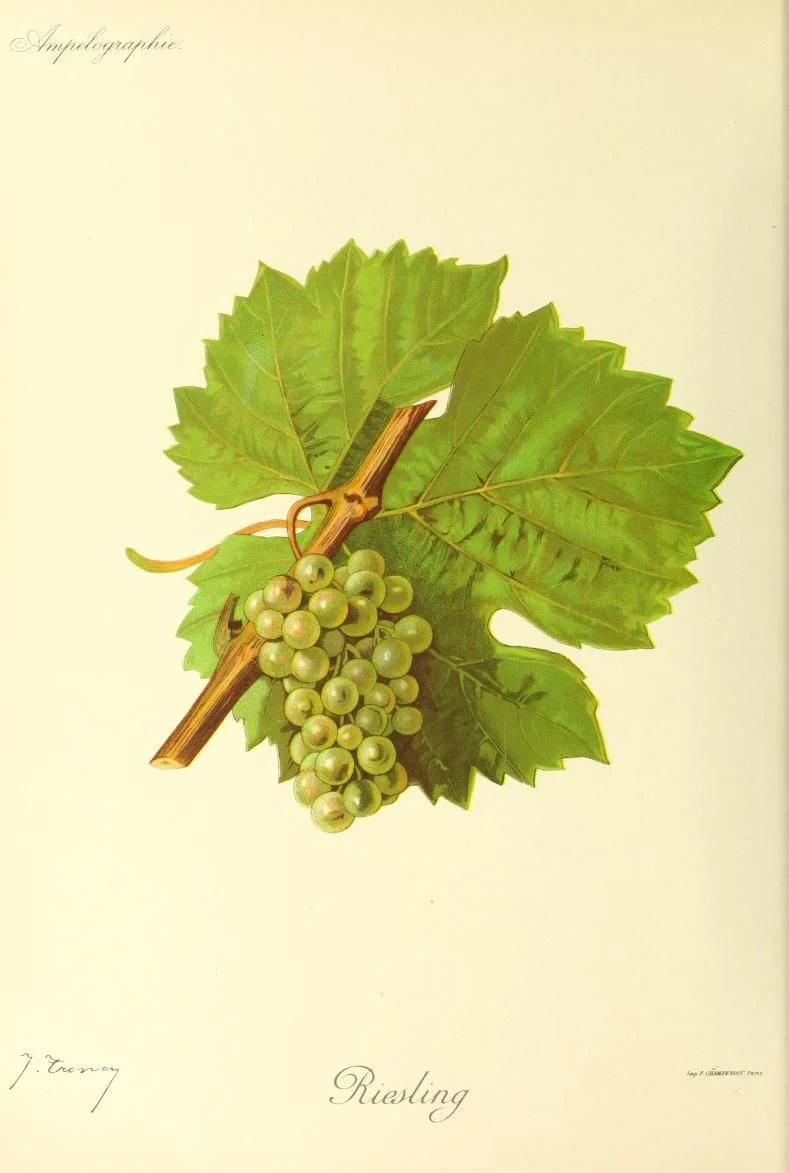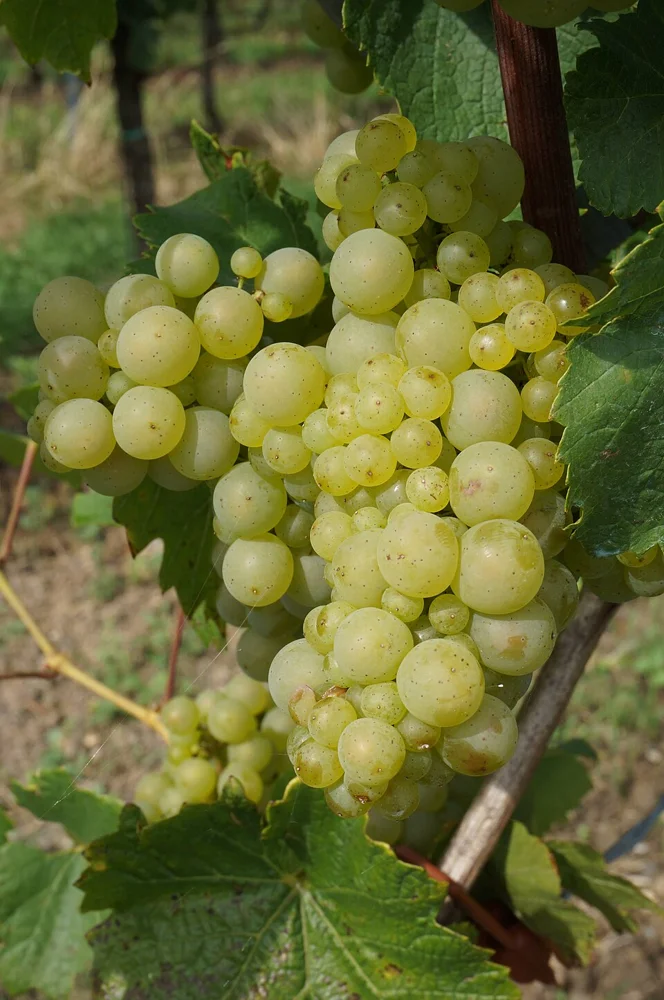
Riesling
Citrus, precision and vivid acidity.
From dry to sweet, Riesling often keeps remarkable tension. It clearly reflects soil and grape ripeness.
What to notice
Do not infer sweetness from the grape name alone: check the style and taste the balance between any sugar and acidity.
Explore styles and places
Style descriptions are guides, not rules: vintage, vineyard, blending and maturation change the result.
Mosel: Precise acidity, fresh fruit and lightness mark the wines of this river landscape.
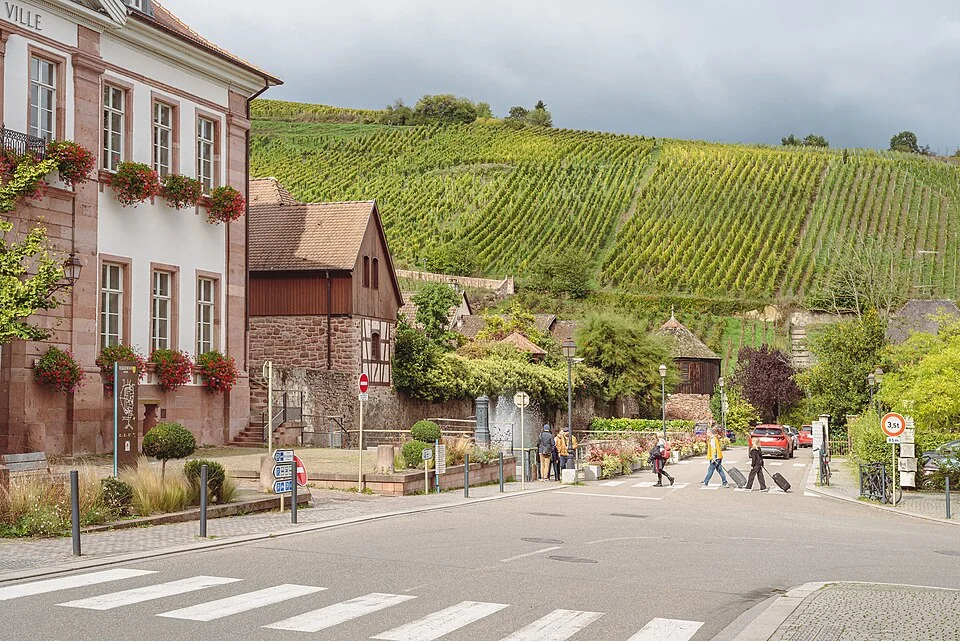
Alsace: Dry Riesling combines aroma and tension; Pinot Noir offers another view.
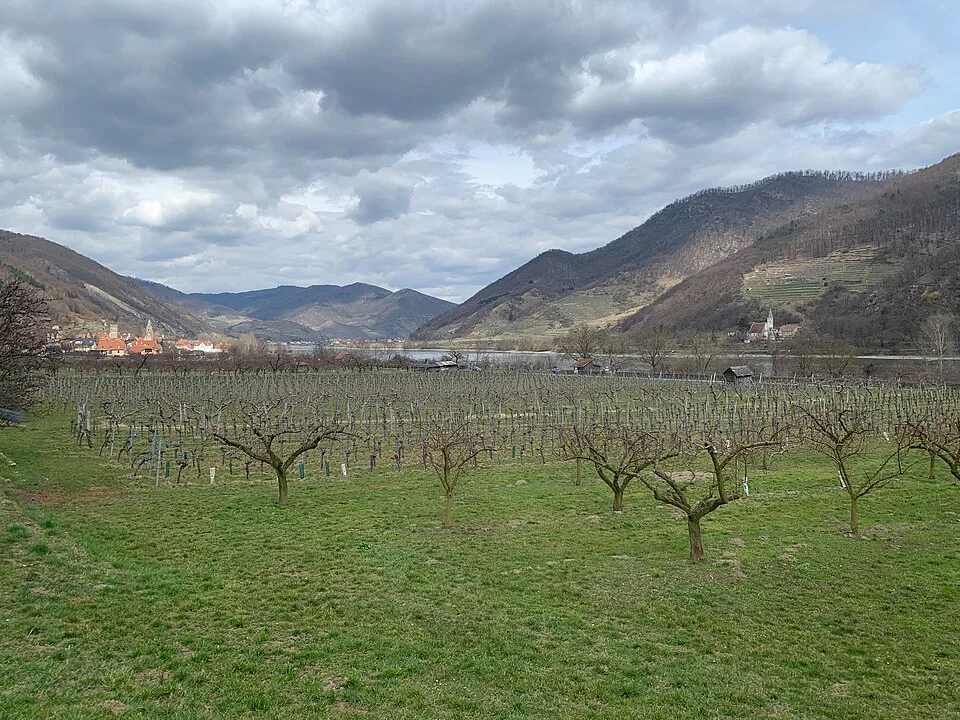
Wachau: Compare grapes separately before comparing individual origins.
Kamptal: Grüner Veltliner and Riesling let you follow a grape between regions.
Compare styles of this grape
When comparing two Rieslings, verify dry or sweet style before choosing a regional contrast such as Alsace and Mosel, or Wachau and Kamptal. Keep temperatures similar and record aroma, perceived sweetness and salivation separately. Fragrance does not establish sugar content. Ask for the exact cuvée and vintage rather than a “typical Riesling”. Keep a column for missing figures so you can ask a clear question instead of inventing measurements from a taste.
Understanding wine aromas → · Oaked and unoaked wine: understanding maturation →