Cabernet Sauvignon
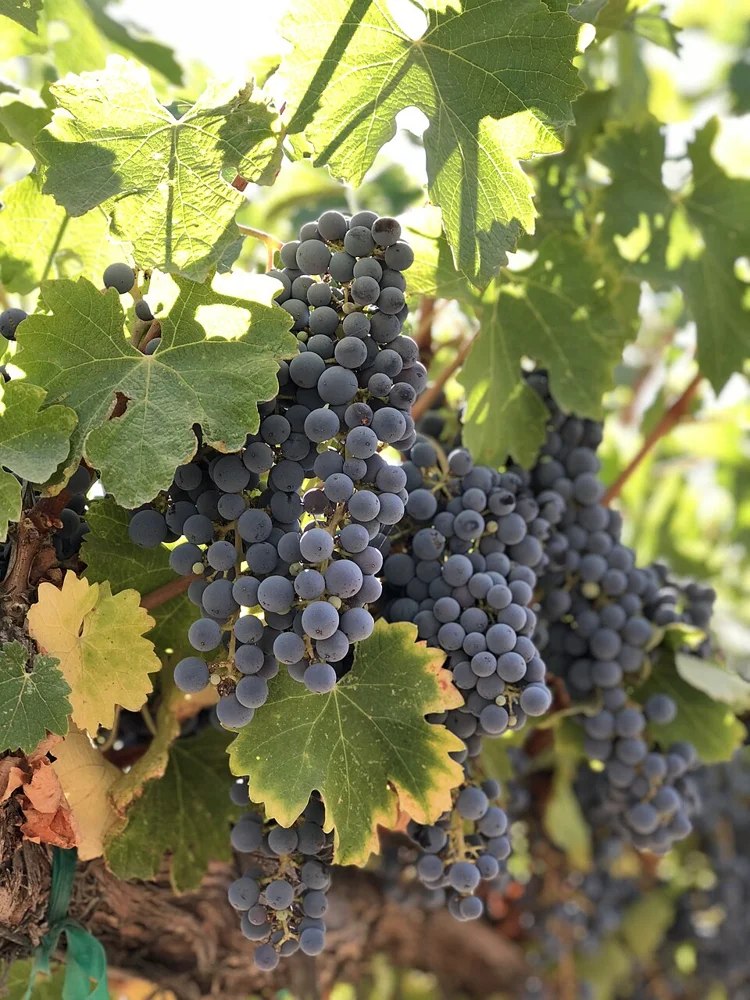
Structure, blackcurrant and ageing potential.
Its tannin and acidity give it a firm frame. It is often blended with Merlot and pairs well with savoury dishes.
What to notice
Compare a young Cabernet with a mature one: tannins soften while fruit aromas can evolve.
Explore styles and places
Style descriptions are guides, not rules: vintage, vineyard, blending and maturation change the result.
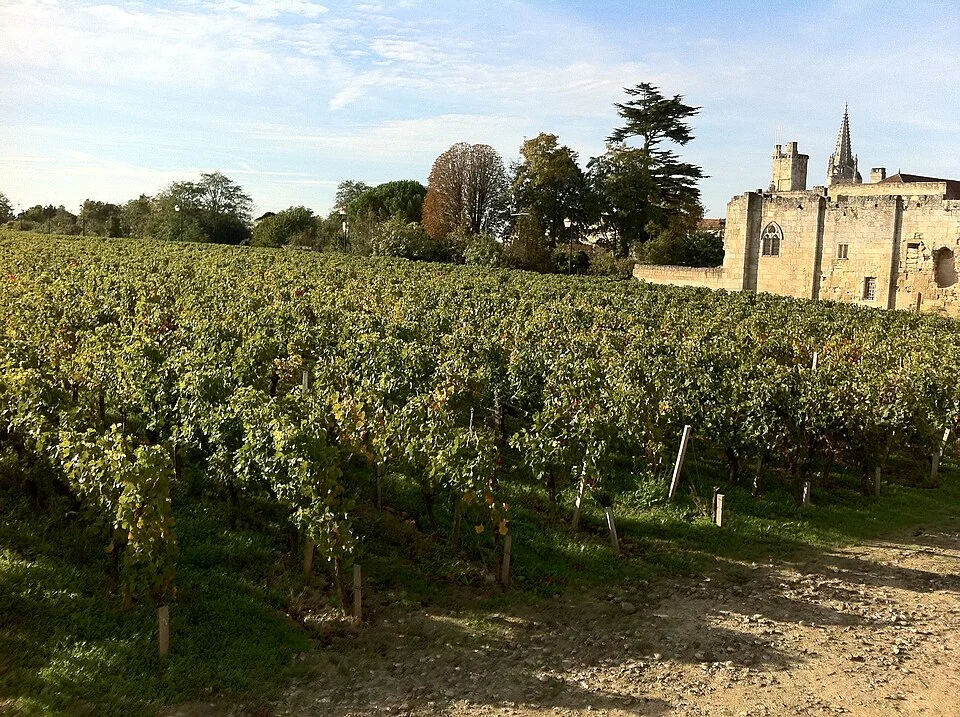
Bordeaux: Cabernet Sauvignon leads on the Left Bank, Merlot on the Right; styles range from approachable bottles to ageworthy wines.
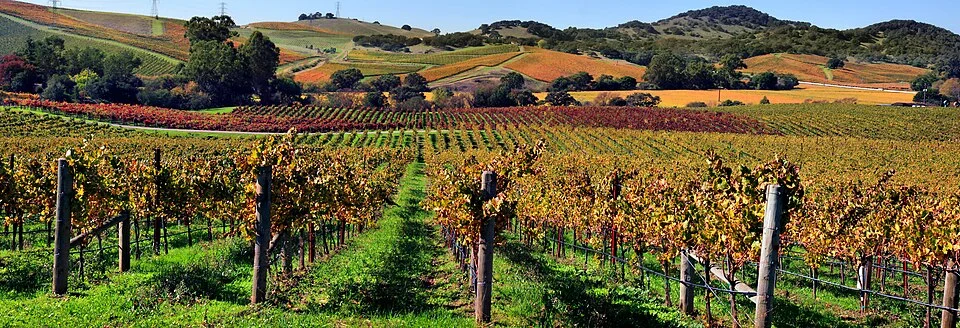
Napa Valley: Ripe fruit, polished tannins and ageing potential shape many of its leading reds.
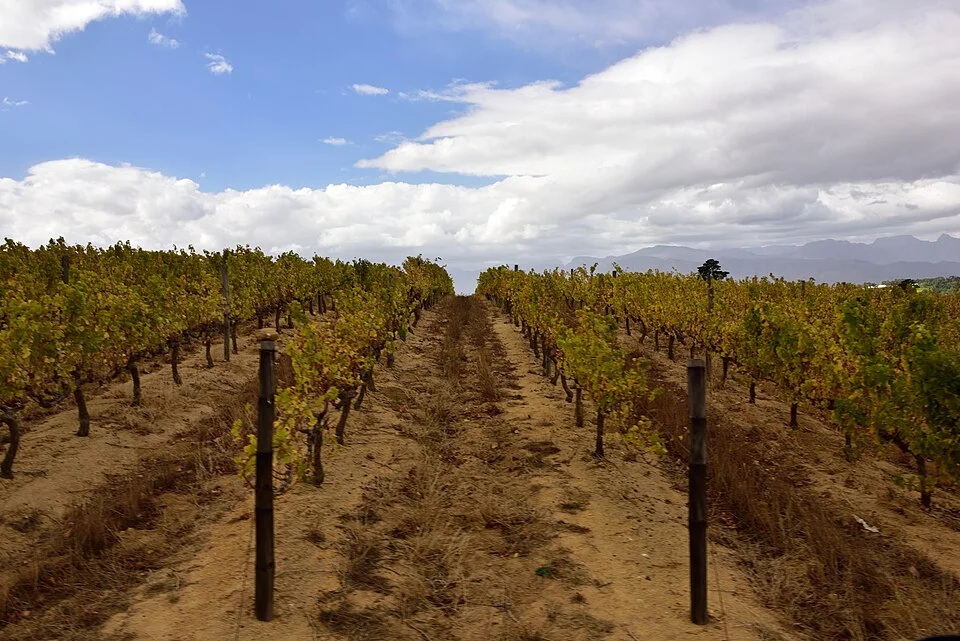
Stellenbosch: Altitude and Atlantic proximity bring variety and freshness to the styles.
Maipo Valley: From Andean foothills to the coastal range, site and blending bring nuance to structured reds.
Salta: Torrontés Riojano, Malbec and Cabernet Sauvignon are among its grapes.
Compare styles of this grape
Check the blend and maturation before explaining an entire wine through Cabernet Sauvignon. For two bottles record fruit, any herbal impressions, tannin texture and finish. Blackcurrant or pepper descriptors are aroma memories, not proof of added ingredients. Compare similar vintages and ask for cuvée details if the profile surprises you. Keep perceived power, labelled alcohol and your preference in separate columns; none replaces the others.
Understanding wine aromas → · Oaked and unoaked wine: understanding maturation →