Organising a comparative tasting
Compare a few wines with a clear question, consistent conditions and useful notes.
Choose one question: the same grape from two regions, two vintages of one wine, or oak versus no oak. Begin with two or three bottles to keep comparisons manageable.
Record other differences: producer, price, maturity, blend and alcohol. Two different wines do not prove the effect of terroir alone.
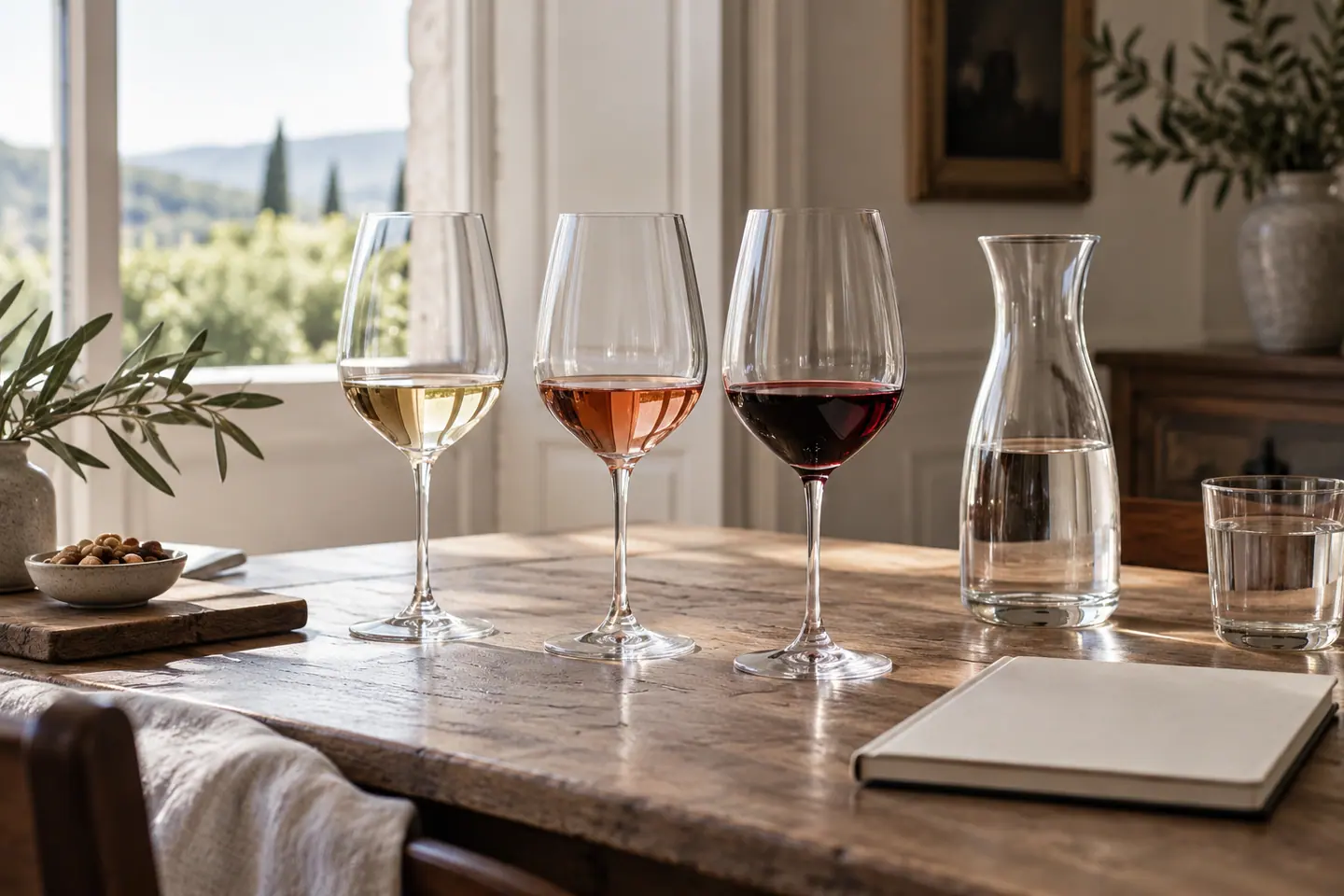
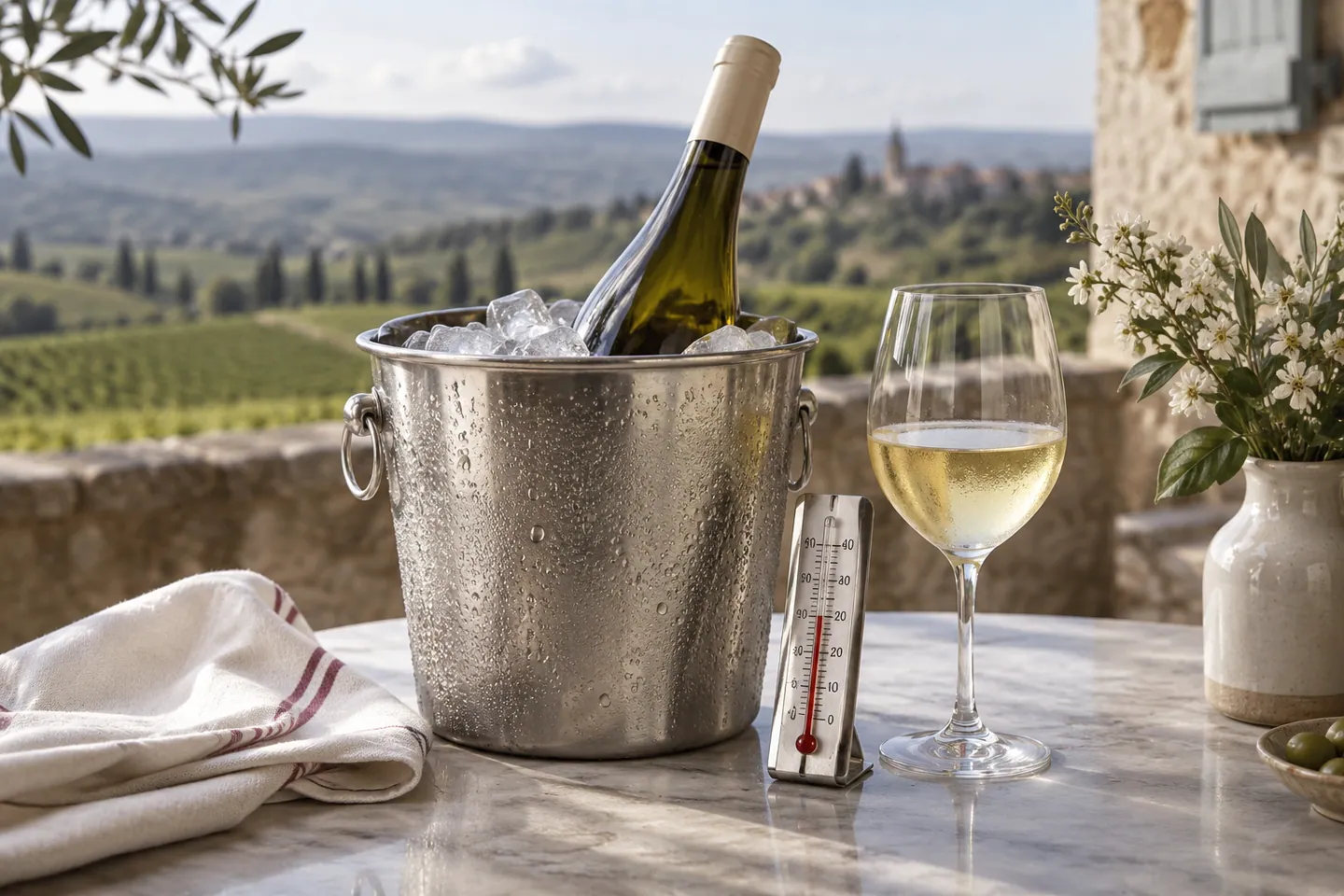
Use matching, clean, odour-free glasses, similar pours and comparable temperatures. Provide water and a spittoon; tasting does not require finishing a glass.
For a blind comparison, code bottles A, B and C and cover labels. Write observations before revealing names. The purpose is to reduce reputation bias, not to guess an origin at all costs.
Separate observations from preferences. Describe acidity, tannin, sweetness, body and finish first; then state a preference and why. Personal preference is not a universal quality measure.
Taste again in reverse order and record temperature, date and time since opening. If rankings change, keep both notes: they reveal tasting conditions and discourage hasty conclusions.
Put the guide into practice
Set one clear question before choosing bottles: different origins for one grape, or different vintages from one producer. Keep serving conditions similar and label glasses with neutral codes. Write impressions before discussing them with the group.
An exercise for comparison
Use small pours, water, food and a spittoon. Record bottle identity separately from observations and preferences. A small tasting can reveal contrasts, but it cannot prove that terroir or one production choice caused every difference. Plan a safe return without driving after drinking.