Burgundy
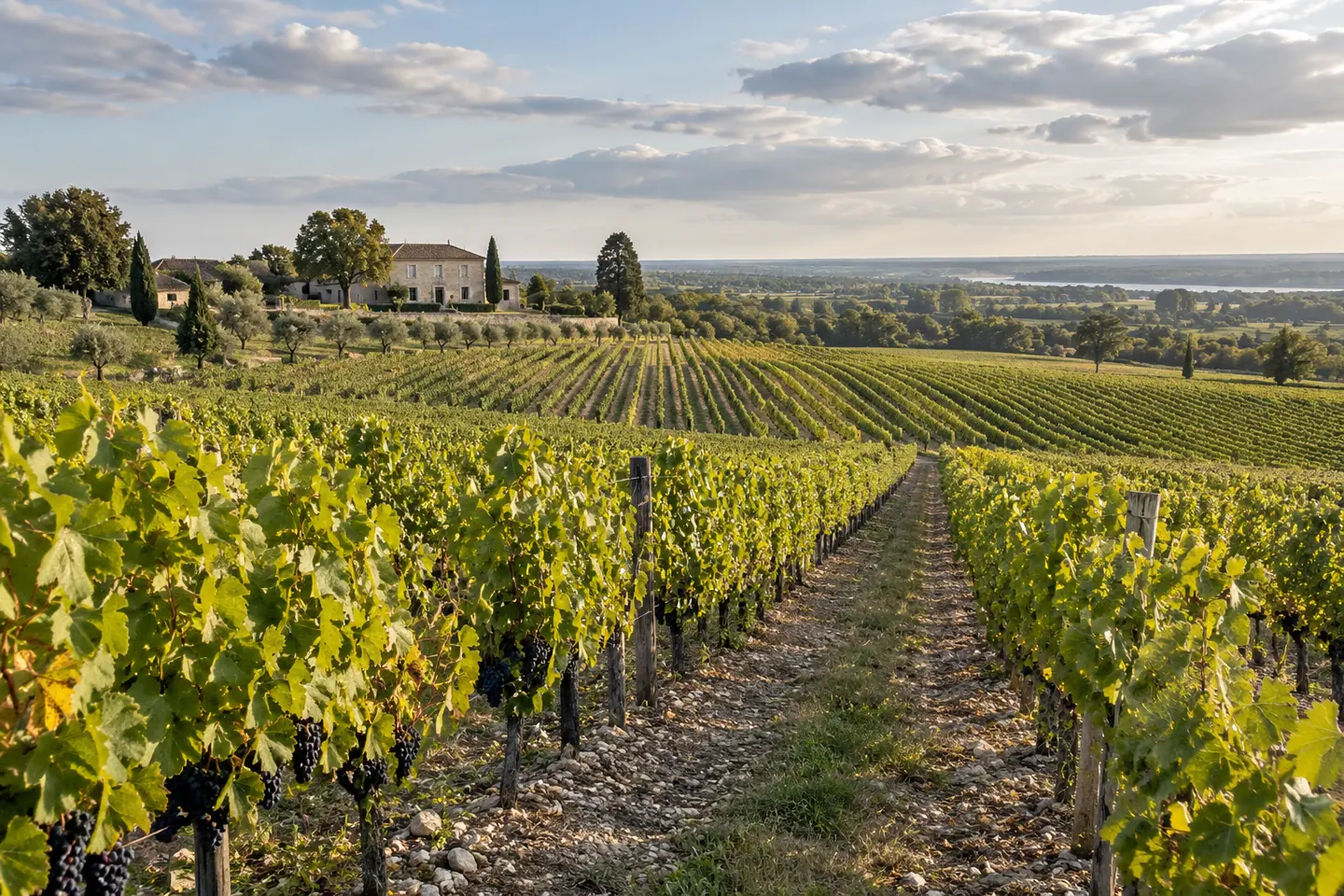
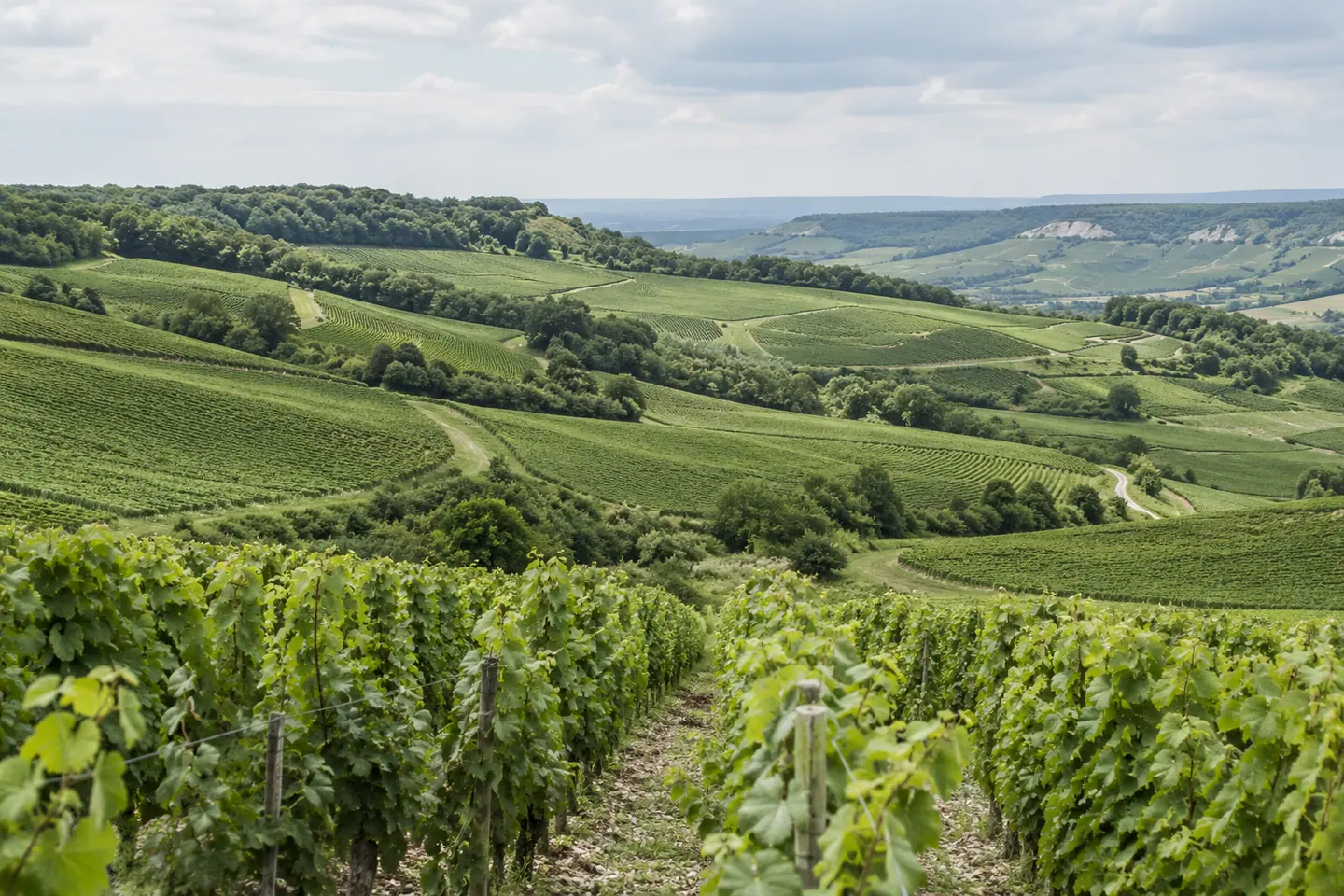
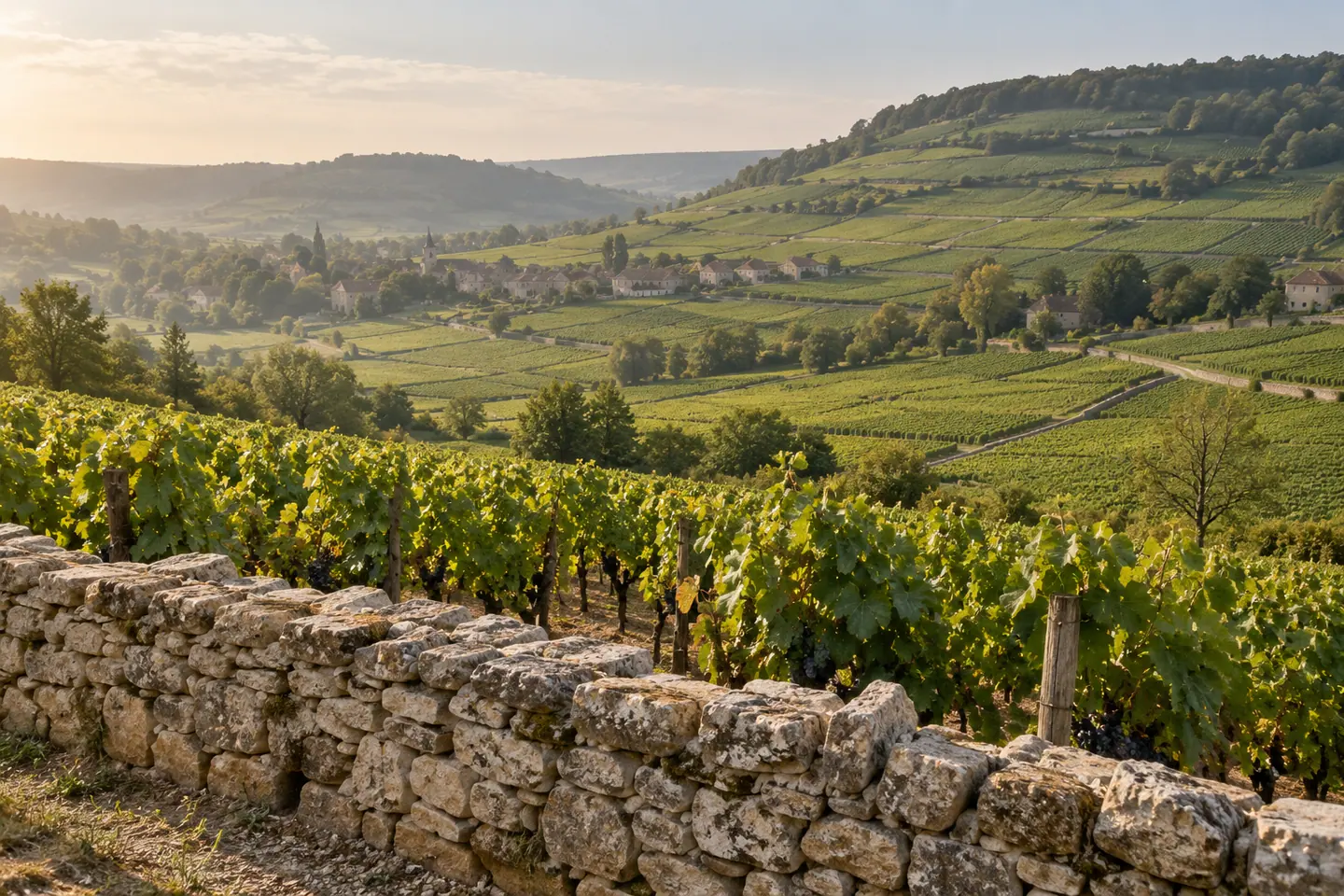
Parcels, soils and exposures create a finely grained map of terroir, from Chablis to the Mâconnais.
Terroirs, appellations and label clues
Regional, village, premier cru and grand cru appellations identify different origin areas. A climat is a named vineyard parcel, not the weather. Compare Chardonnay from Chablis and Mâconnais; Bouzeron introduces Aligoté.
To get started
Taste Pinot Noir and Chardonnay separately, then compare two places: Burgundy rewards attention to small differences.
Key grapes
Pinot Noir — Finesse, red fruit and a clear sense of place. Serve it slightly cool and watch its perfume open in the glass; too much warmth accentuates alcohol.
Chardonnay — From crisp and mineral to broad and buttery. Compare an unoaked version with a barrel-aged one: the grape stays the same, while fermentation and ageing change texture.
Aligoté — Another key Burgundy white grape alongside Chardonnay. Compare Bourgogne Aligoté and Bouzeron with simply prepared fish.
Compare regions
Compare regions in the same country too: the same grape can produce different wines as climate, site and producer choices change.
Style descriptions are guides, not rules: vintage, vineyard, blending and maturation change the result.