Explore estates by region, then visit their official sites for current wines and information.
✦
How to read an estate profile
An estate name does not guarantee one style. First locate appellation and grapes, then compare wines, vintages and maturation on the official site. Visits, sales and availability change: check current producer information.
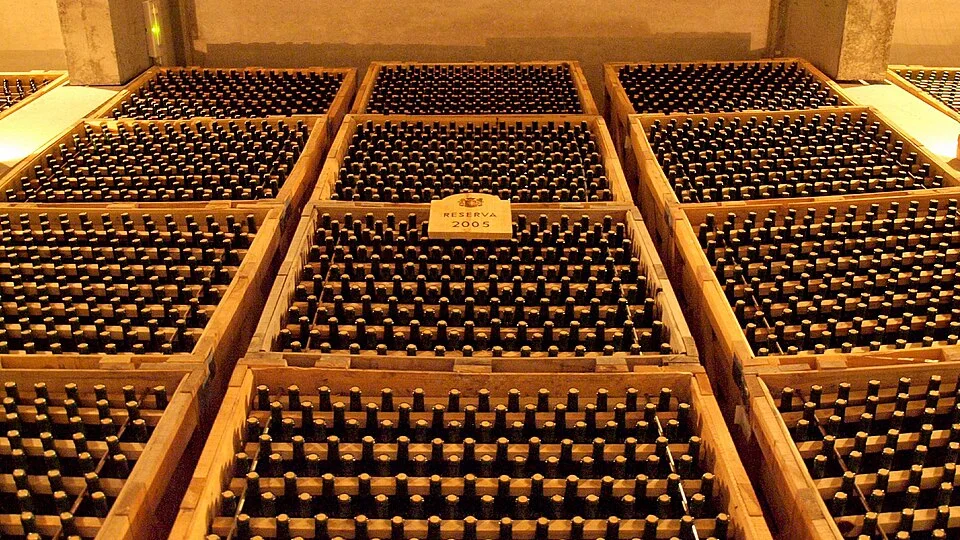
Editorial illustration: bottles and labels vary by wine and vintage.
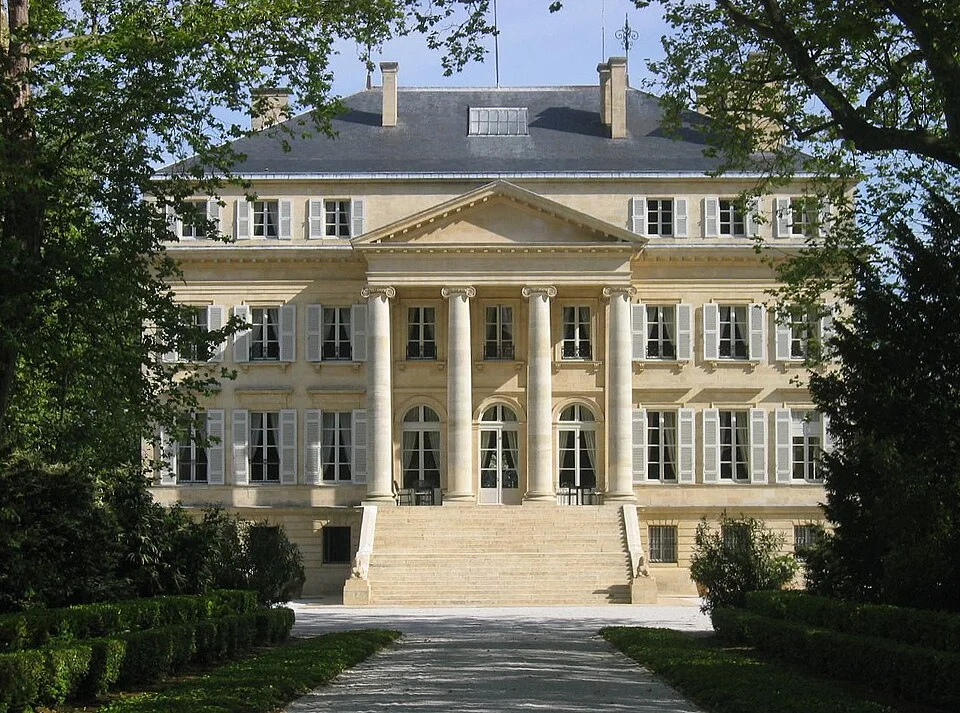
Grand Vin and Pavillon Rouge are distinct reds. Pavillon Blanc uses Sauvignon Blanc, not the red Grand Vin’s profile. Check vintage sheets for each blend and maturation.
Regions
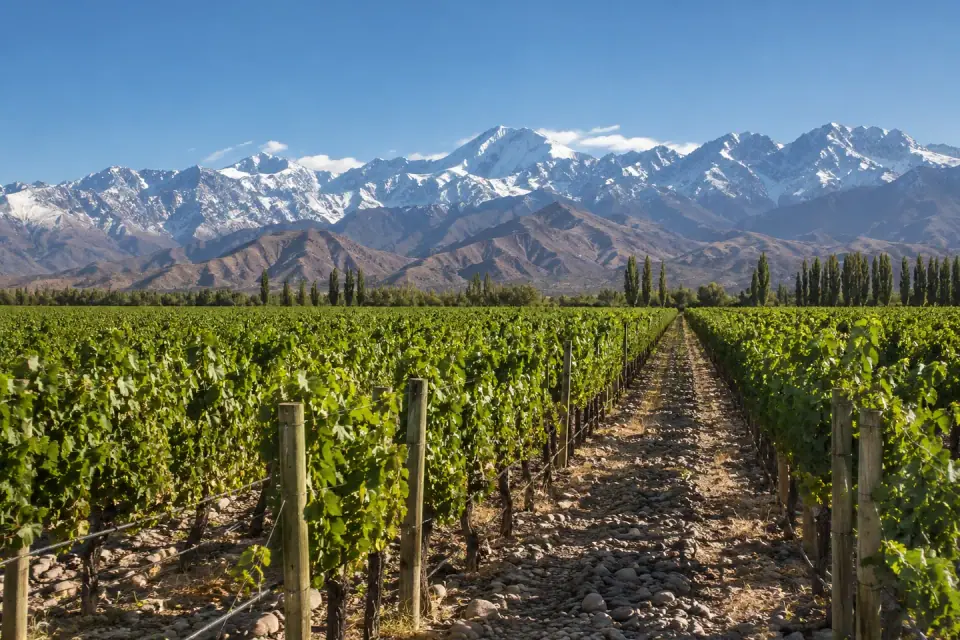
Bordeaux ↗: Cabernet Sauvignon leads on the Left Bank, Merlot on the Right; styles range from approachable bottles to ageworthy wines.
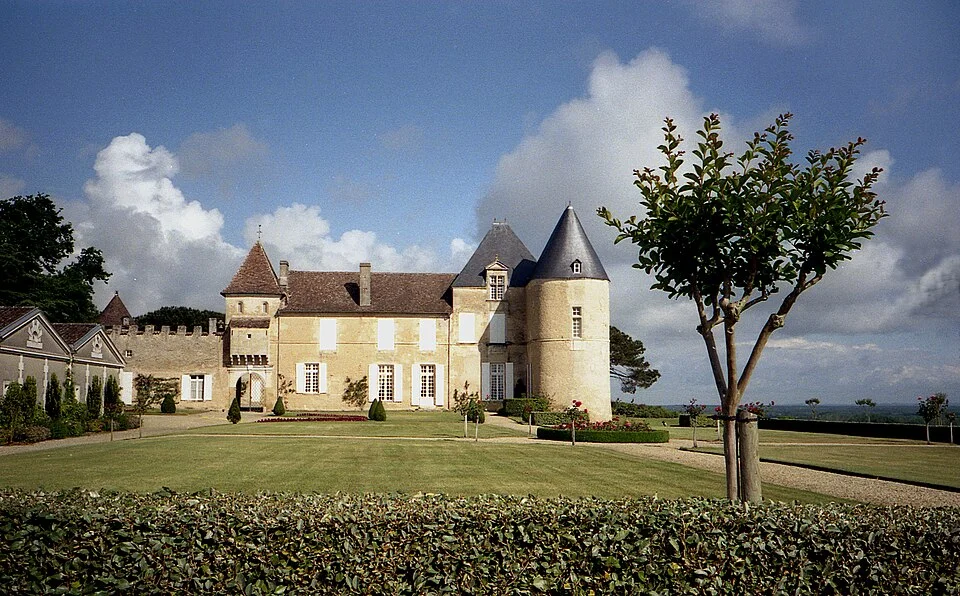
Yquem is associated with sweet Sauternes, but Y is a distinct dry white. Choose sweetness, service and pairings by wine; check Sémillon and Sauvignon proportions by vintage.
Regions
Bordeaux ↗: Cabernet Sauvignon leads on the Left Bank, Merlot on the Right; styles range from approachable bottles to ageworthy wines.
Special Cuvée and La Grande Année distinguish non-vintage blend and vintage Champagne. Pinot Noir is important to house style; dosage, lees ageing and blend are wine-specific.
Regions
Champagne ↗: Acidity, fine bubbles and time on lees give Champagne its distinctive depth.
Antinori includes several estates; Tignanello and Guado al Tasso differ in origin and blend. The family name is not an appellation. Look for estate, denomination and wine sheet.
Regions
Tuscany ↗: Cherry, herbs and lively acidity make these wines especially comfortable at the table.
Rioja reds and Rueda whites have different origins. Brand alone does not identify grape or maturation. Full wine name and vintage lead to producer data.
Regions
Rioja ↗: From pure fruit to the spice of oak maturation, Rioja offers many readings of Tempranillo.
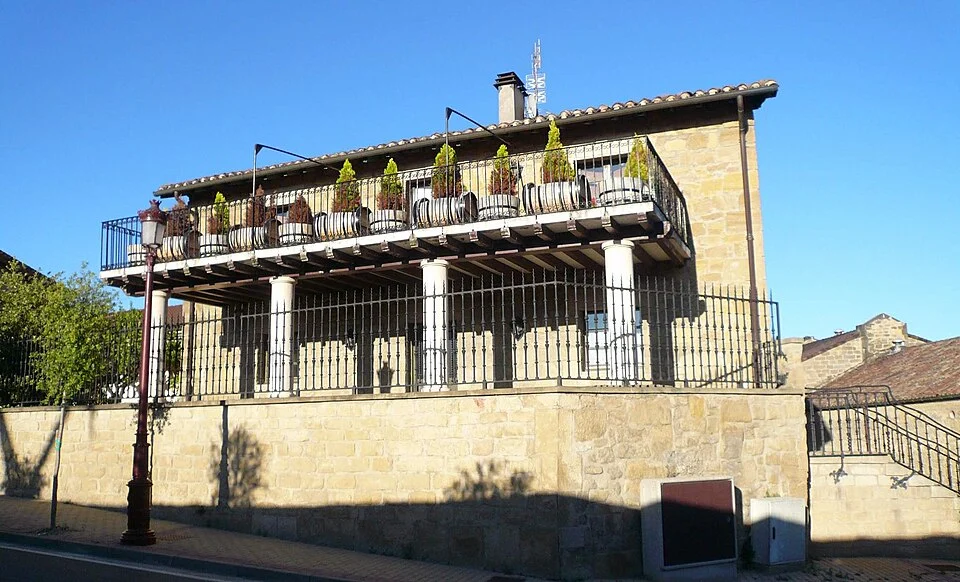
Muga is based in Haro, Rioja. Its range includes several colours and maturation styles: the wine sheet, not bodega name alone, gives blend and durations. Compare the same colour.
Regions
Rioja ↗: From pure fruit to the spice of oak maturation, Rioja offers many readings of Tempranillo.
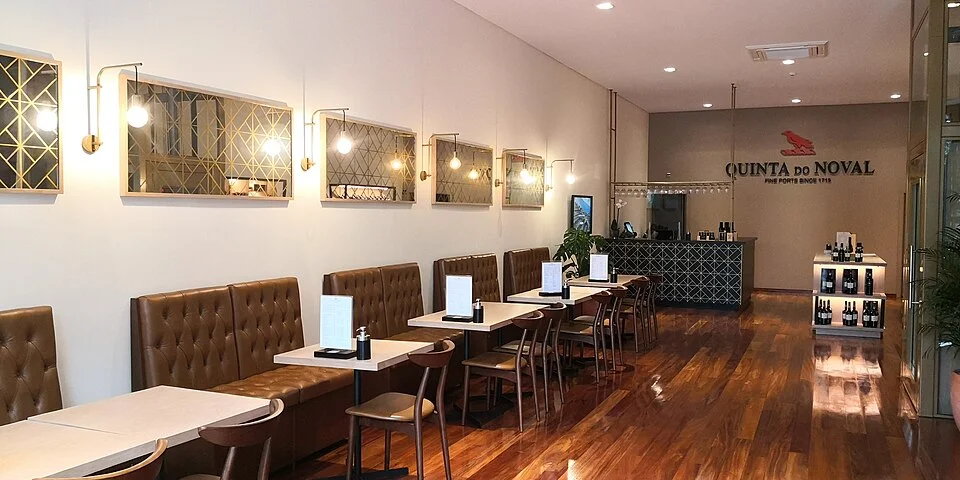
Quinta do Noval offers Port and still Douro wines. Vintage Port, Tawny and Douro red are not synonyms. Check category, any vintage and after-opening instructions for the exact bottle.
Regions
Douro ↗: Schist slopes and blends of local varieties create concentrated yet vibrant wines.
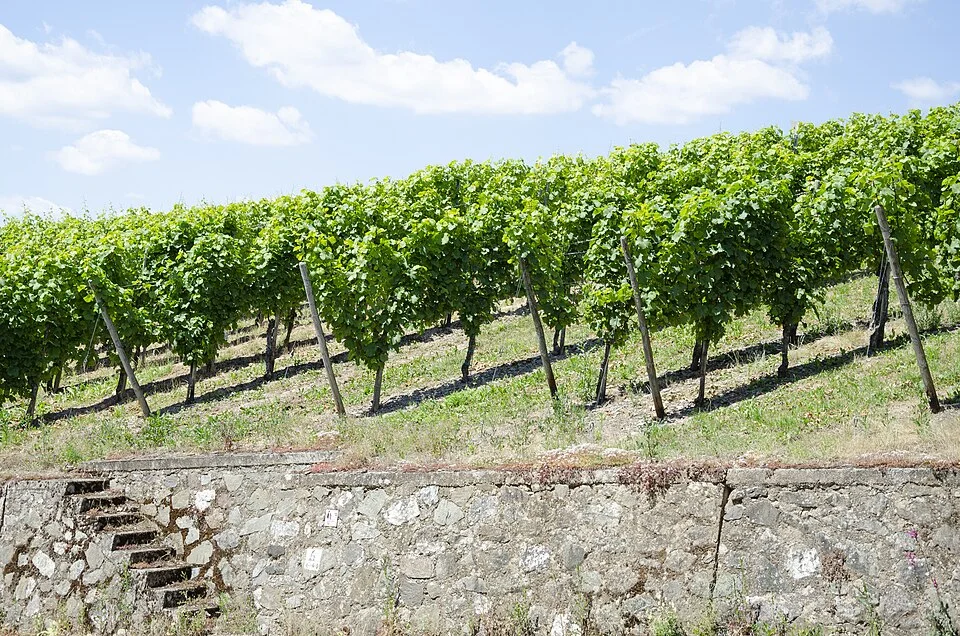
The Mittelmosel estate highlights Rieslings from several vineyards. Site and sweetness give separate information. Compare dry and residual-sugar Riesling for balance, not Prädikat alone.
Regions
Mosel ↗: Precise acidity, fresh fruit and lightness mark the wines of this river landscape.
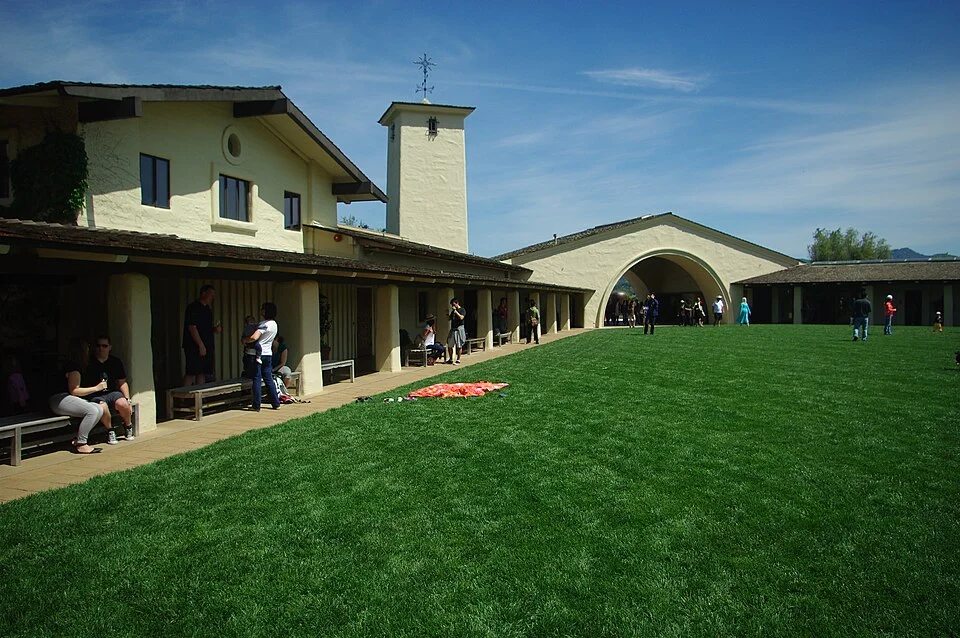
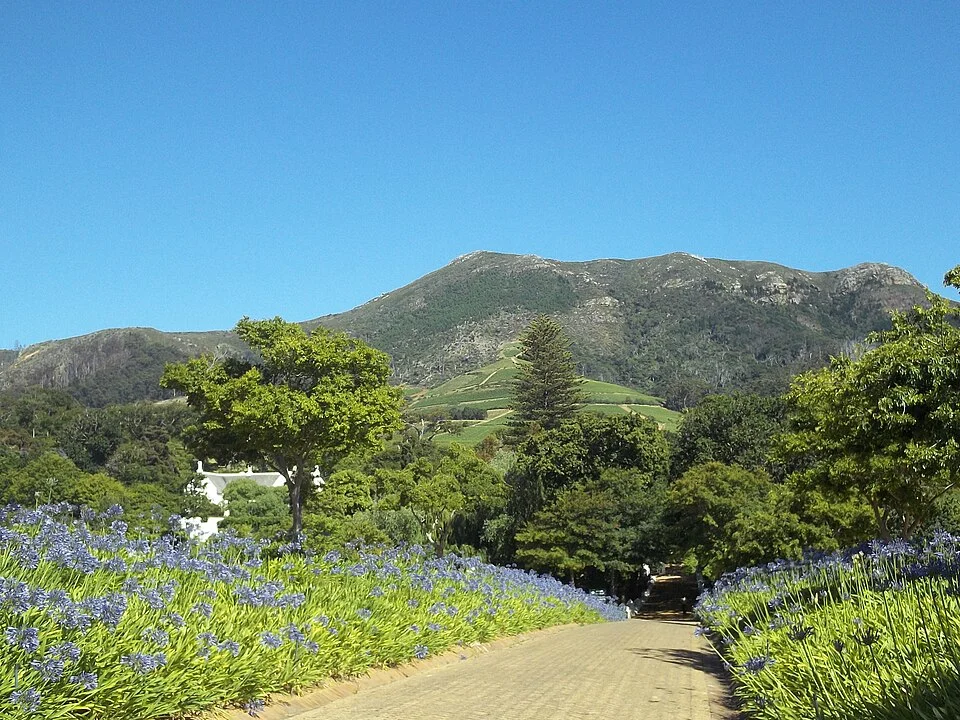
The winery is associated with Oakville, Napa Valley, and several wines. Robert Mondavi Winery is not interchangeable with every Mondavi-branded wine. Check the exact AVA and wine sheet.
Regions
Napa Valley ↗: Ripe fruit, polished tannins and ageing potential shape many of its leading reds.
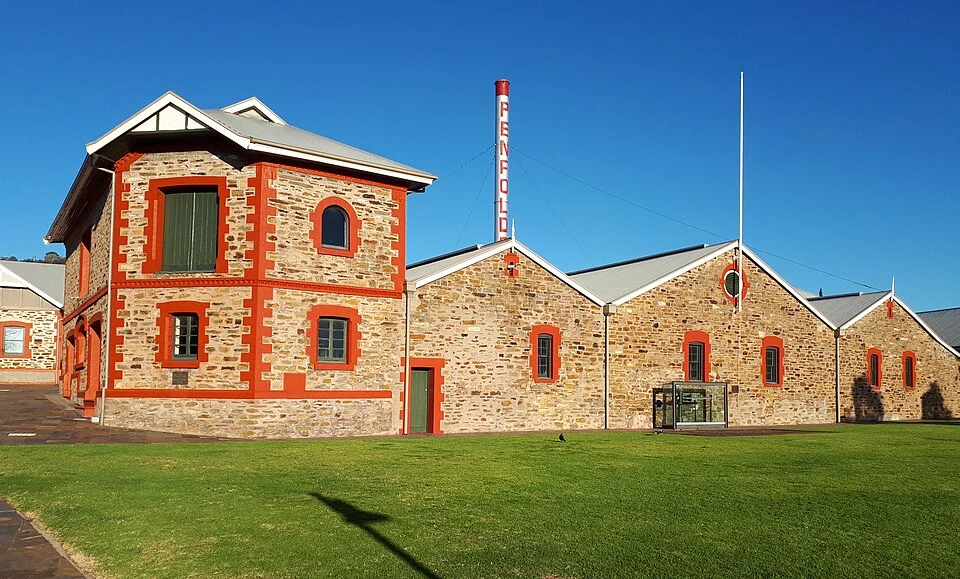
Grange illustrates Penfolds’ multi-region approach. Winery or visit location does not mean every grape comes from there. For comparison, check vintage origins and blend in the official technical sheet.
Cloudy Bay produces in Marlborough and Central Otago. Sauvignon Blanc and Te Wahi Pinot Noir have different origins. Compare region, grape and vintage, not brand alone.
Regions
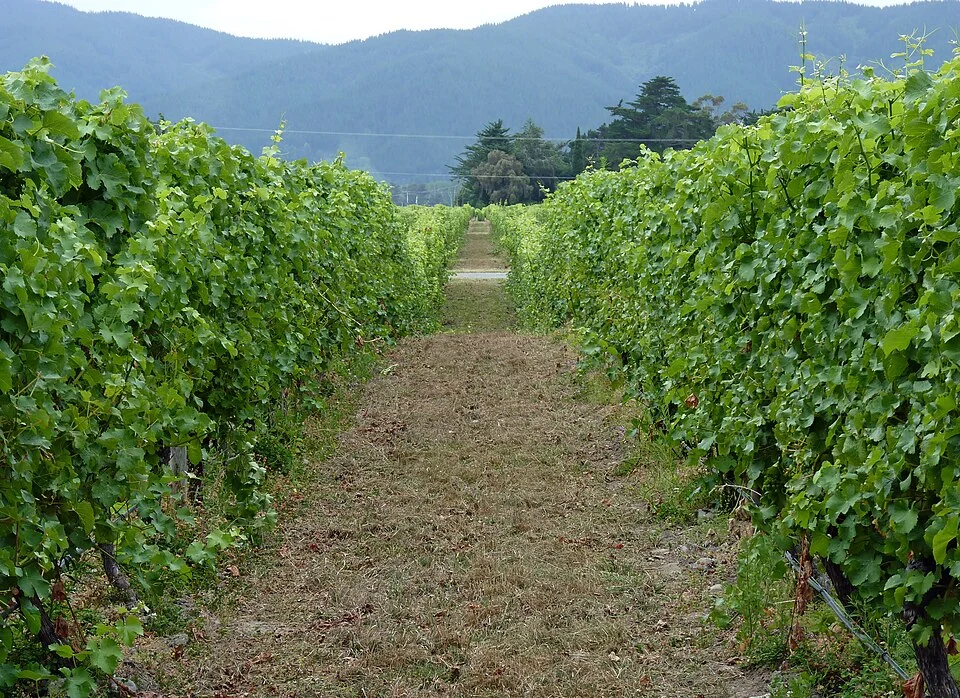
Marlborough ↗: From vivid whites to delicate reds, the region invites exploration beyond a single grape.
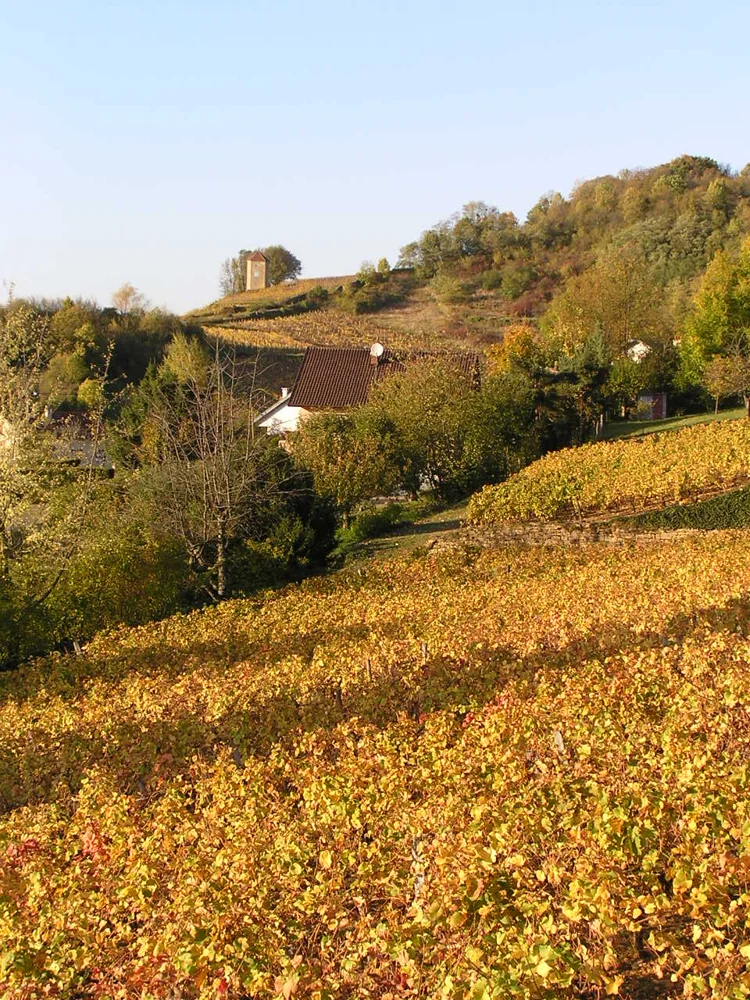
Jura producer with wines from Arbois, Côtes du Jura, L’Étoile and Château-Chalon.
A route to explore : Compare topped-up whites, yeast-veil wines and Crémant du Jura. Vin jaune is dry; vin de paille another category. Check appellation and method, not one assumed Jura style.
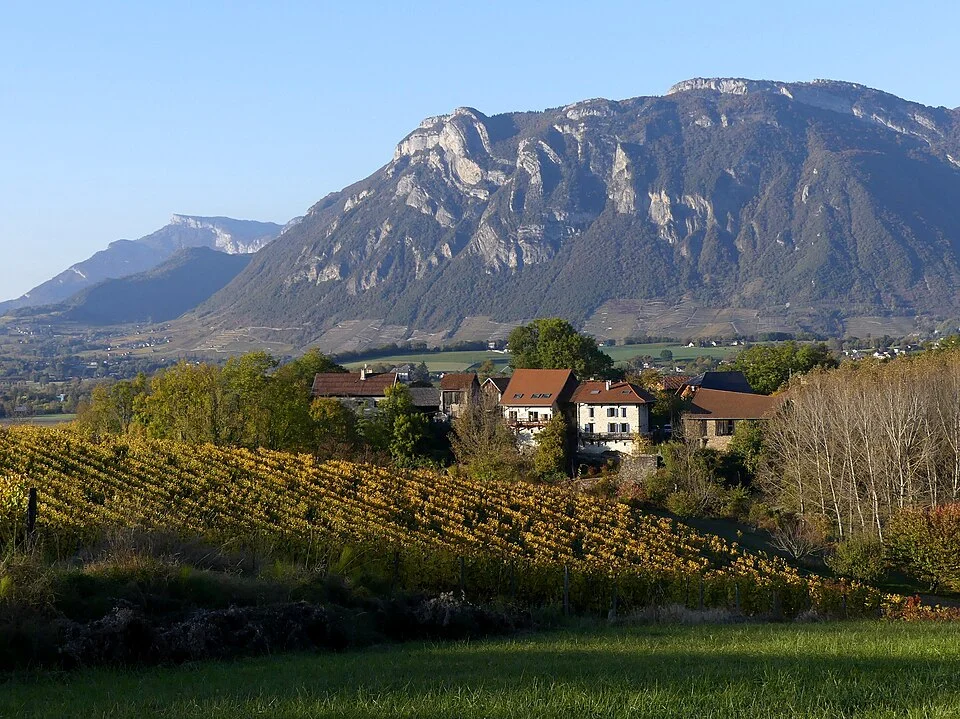
Savoie house for exploring local crus and grapes in several colours.
A route to explore : Apremont, Roussette de Savoie and Mondeuse reds offer different routes. Read appellation and grape separately. Compare white vintage sheets and maturation, not Savoie name alone.
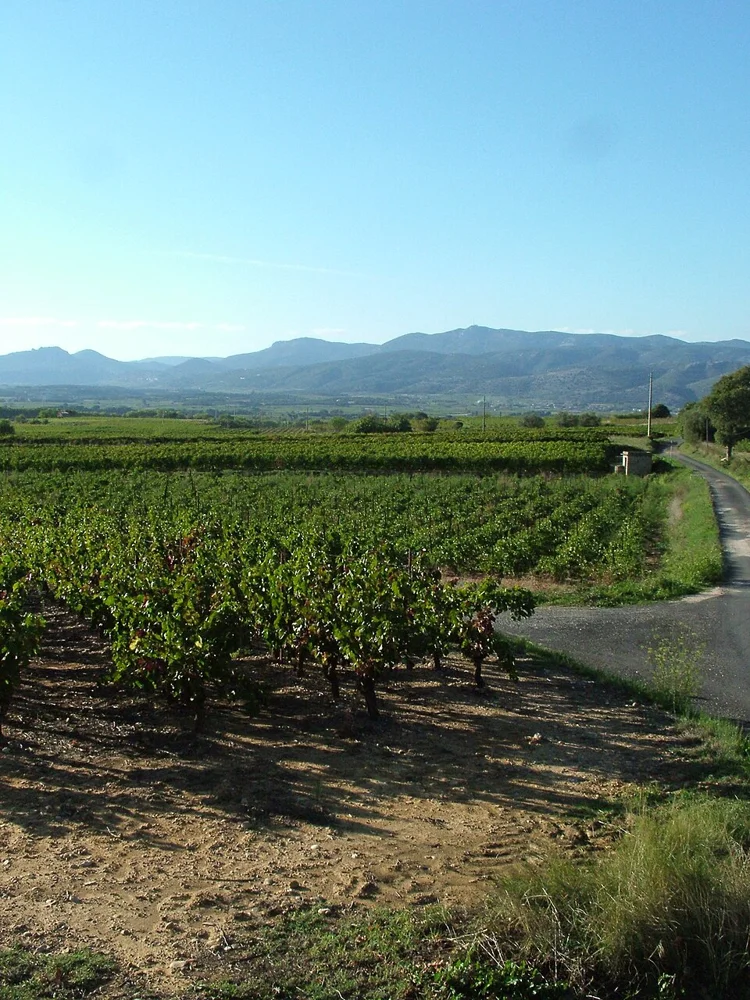
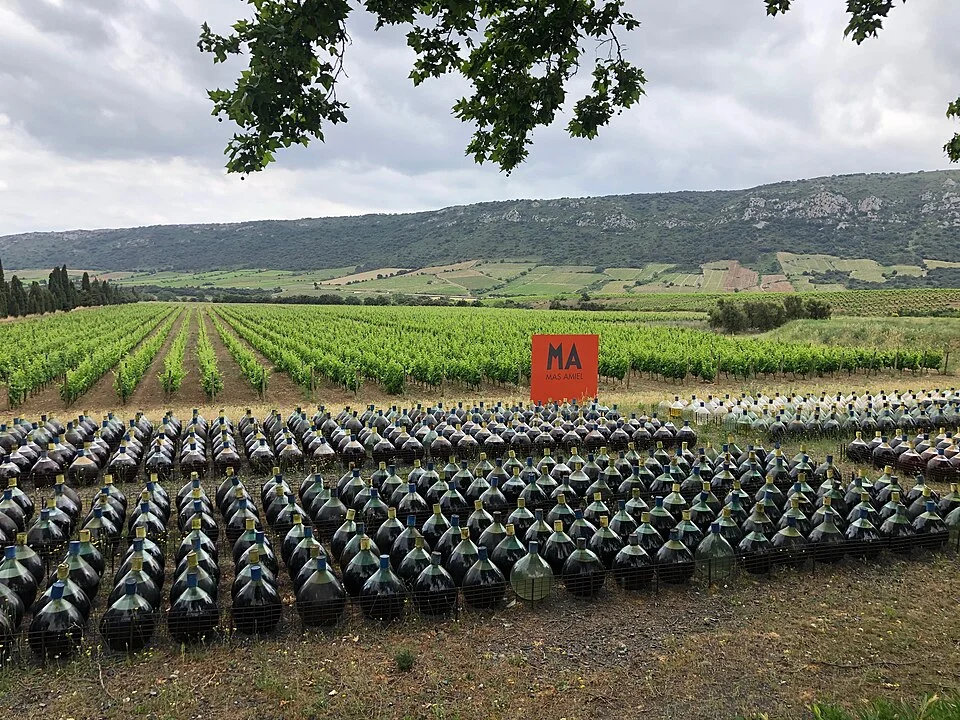
Gassac Valley estate in Languedoc with red and white blends.
A route to explore : Red and white Mas blends have different vintage-specific compositions. Do not automatically apply Languedoc PDO grapes: wine region and bottle denomination are different levels.
Roussillon estate in the Agly Valley, making dry and sweet wines.
A route to explore : The range separates dry and sweet wines, including oxidative and vintage styles. Vertigo red blends Grenache and Carignan. Match dry and sweet separately; Maury name alone is insufficient.
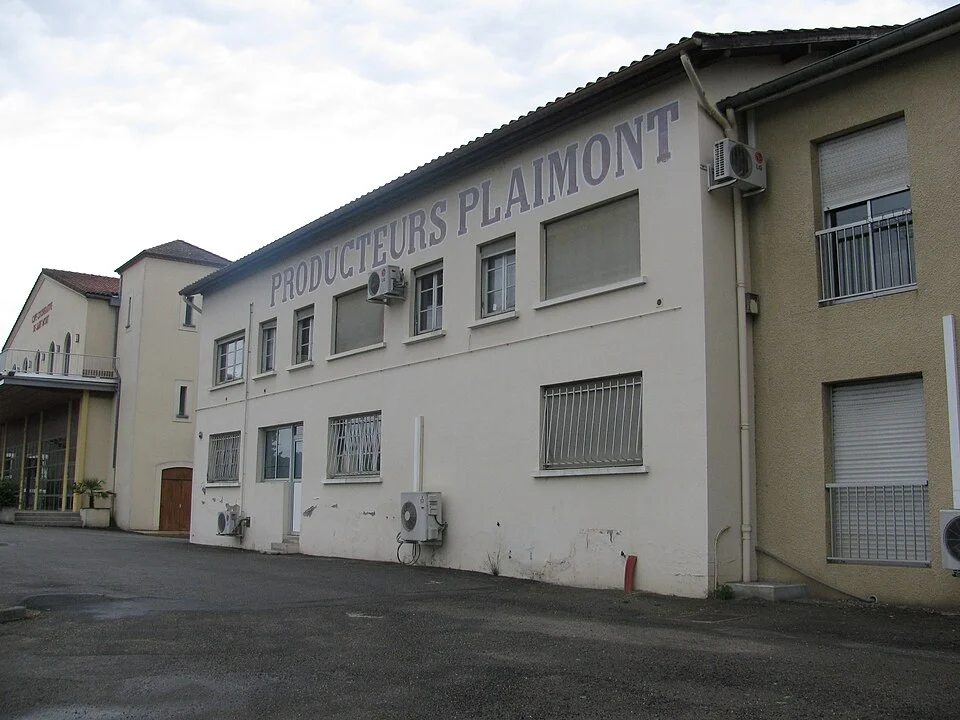
Southwest producer union spanning Gascony and the Pyrenean foothills.
A route to explore : Plaimont covers Saint-Mont, Madiran, Pacherenc du Vic-Bilh, Jurançon and Côtes de Gascogne. Tannat and Manseng introduce two routes. A cooperative includes several growers and terroirs; each wine has its own origin and blend.
This guide for tourism professionals helps document access and services. For a cellar or winery, describe the actual route and constraints so each visitor can assess their needs.
Separate three pieces of information in a wine profile
A grape name describes a variety, a German Prädikat describes ripeness at harvest, and a sweetness term concerns the finished wine. Riesling Kabinett alone therefore does not reveal residual sugar. Dr. Loosen’s Bernkasteler Lay Kabinett 2022 sheet, with 41.8 g/L, offers a concrete vintage-specific example.