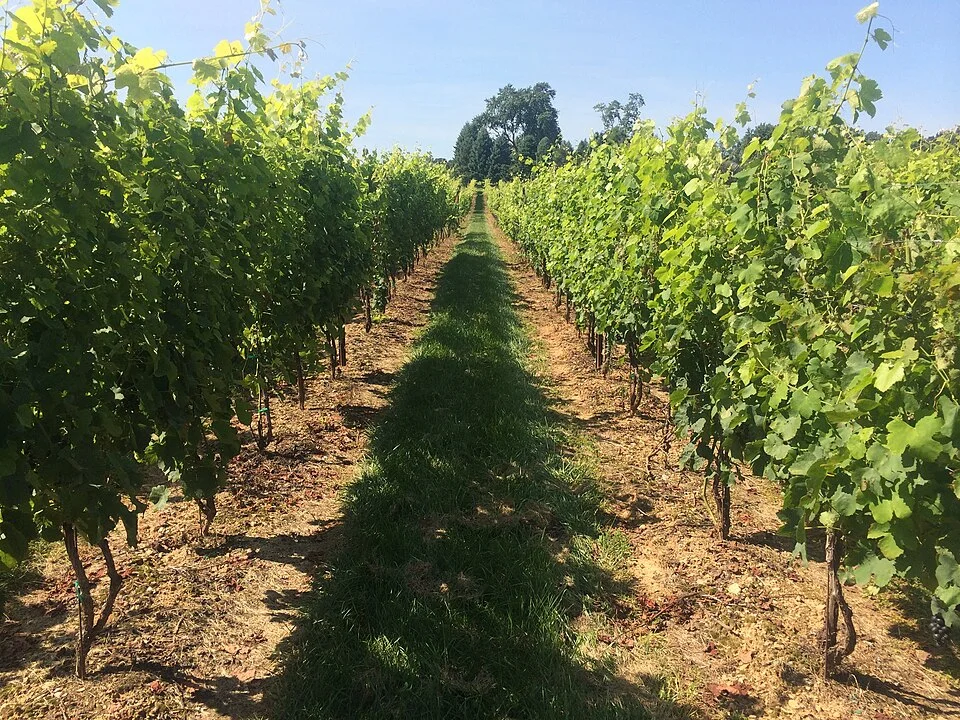
Syrah / Shiraz
Dark fruit, pepper and generous expression.
Depending on climate, Syrah may be taut and peppery or rich and sun-soaked. In Australia it is often called Shiraz.
Other useful names
Shiraz
What to notice
Look for pepper and dark fruit, then compare a cooler expression with a riper one: climate and ripeness change the balance.
Explore styles and places
Style descriptions are guides, not rules: vintage, vineyard, blending and maturation change the result.
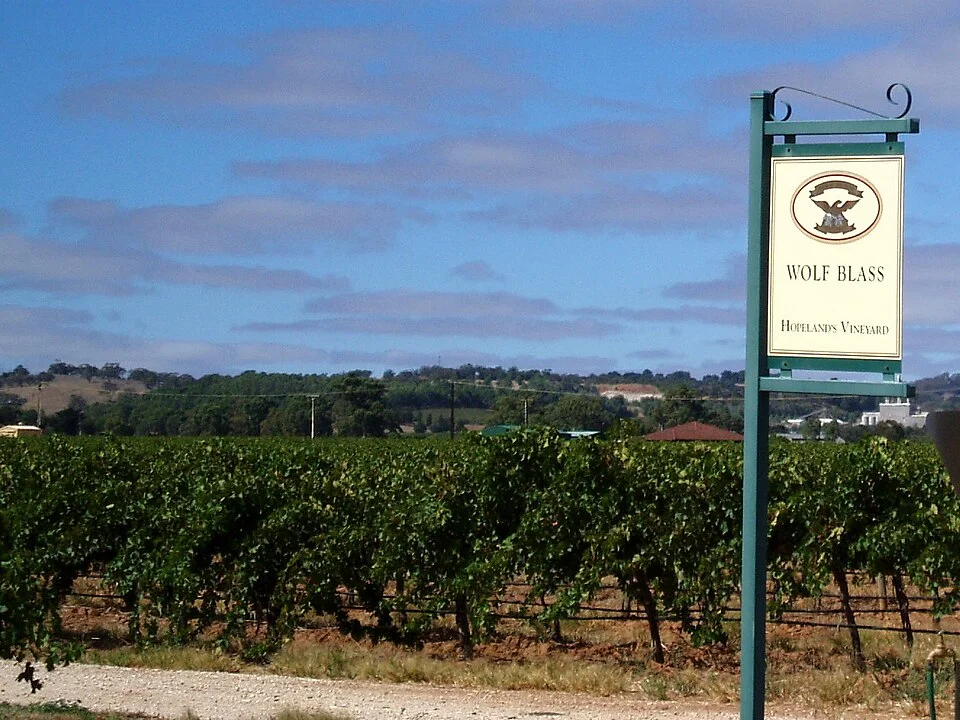
Barossa Valley: Blackberry, spice and a broad texture are classic markers of local Shiraz.
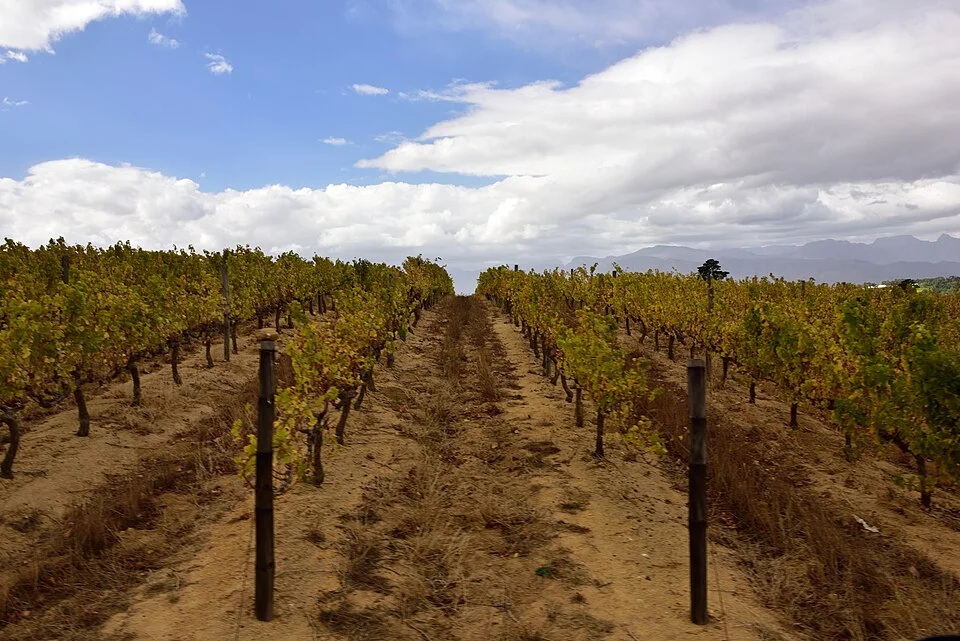
Stellenbosch: Altitude and Atlantic proximity bring variety and freshness to the styles.
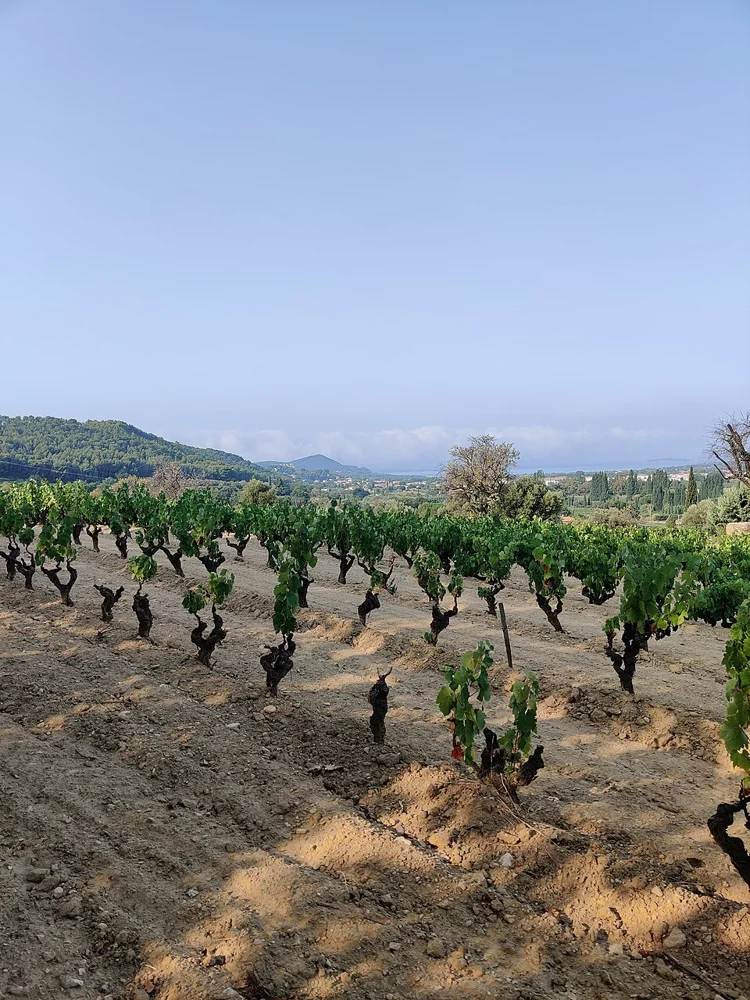
Provence: Grenache and Syrah feature in blends whose colour alone does not predict flavour or sweetness.
Rhône Valley: Syrah leads in the north; Grenache often plays a major role farther south.
Alentejo: Aragonez is a Portuguese name for Tempranillo; proportions vary by wine.
Languedoc: Languedoc is both a broad wine region and a regional PDO: the two scopes are not interchangeable.
Roussillon: The key distinction is between dry wine and vin doux naturel, whose fermentation is stopped by adding alcohol.
Compare styles of this grape
Syrah and Shiraz name the same grape; the wording alone does not guarantee a stronger style. Compare stated region, vintage, blend and maturation. Record fruit, spice memories, texture and perceived warmth without using the name as a shortcut. If an aroma reminds you of pepper, write that association rather than a claim about ingredients. Test with the actual recipe, since sauce spice, sweetness and cooking can change your preference.
Understanding wine aromas → · Oaked and unoaked wine: understanding maturation →