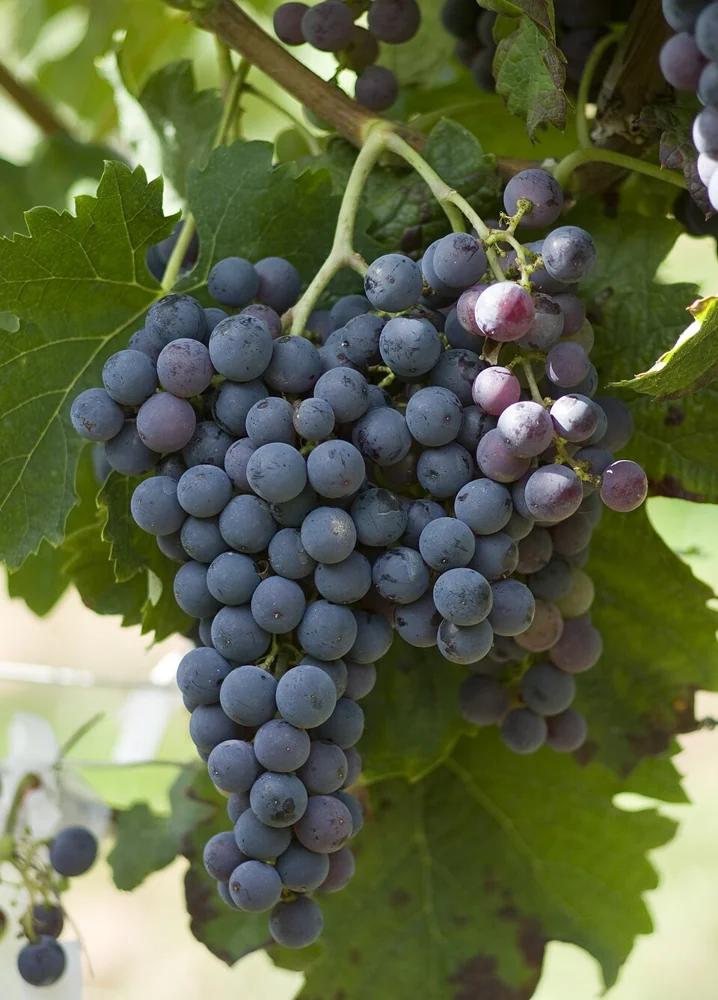
Merlot · Documentary photograph
Grape varieties

Merlot

Plum, softness and roundness.

Editorial illustration, not a documentary image.

Documentary photograph · Please note: This photo can be reproduced. Please quote the source as indicated below: Ursula Brühl, Julius Kühn-Institut (JKI), Federal Research Centre for Cultivated Plants, Institute for Grapevine Breeding Geilweilerhof - 76833 Siebeldingen, GERMANY · Source · CC BY-SA 4.0 · Resized and converted to WebP; no retouching.

Signature

Merlot

Plum, softness and roundness.

Merlot makes welcoming, sometimes profound reds with a velvety texture. Its expression changes markedly with place.

What to notice

Notice texture as well as fruit: Merlot can make a supple red alone or add roundness to a blend.

Explore styles and places

Style descriptions are guides, not rules: vintage, vineyard, blending and maturation change the result.

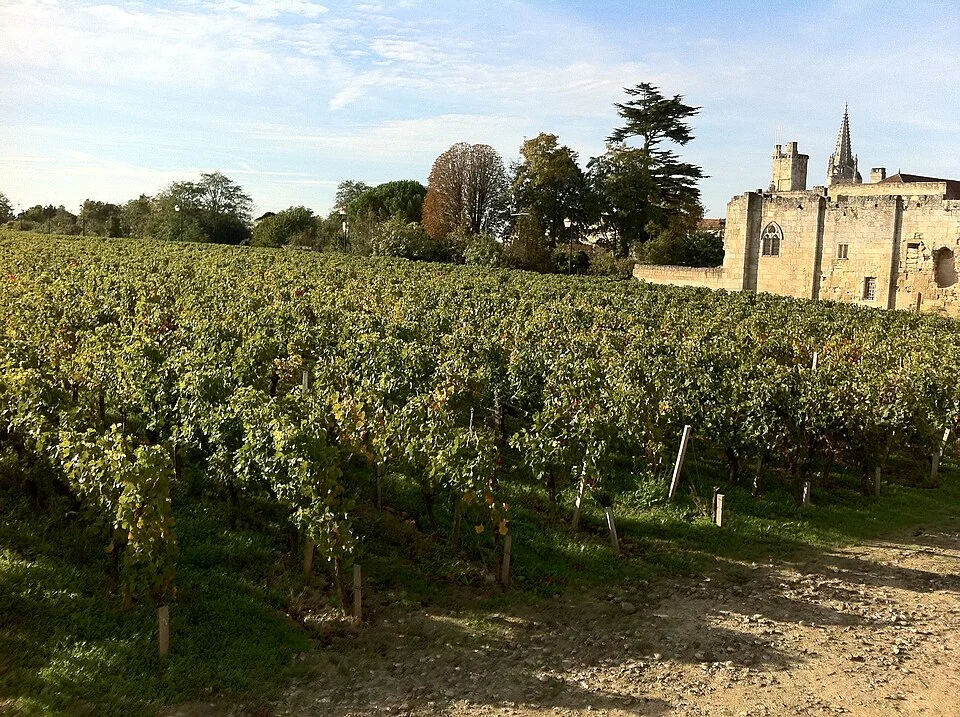
Bordeaux: Cabernet Sauvignon leads on the Left Bank, Merlot on the Right; styles range from approachable bottles to ageworthy wines.

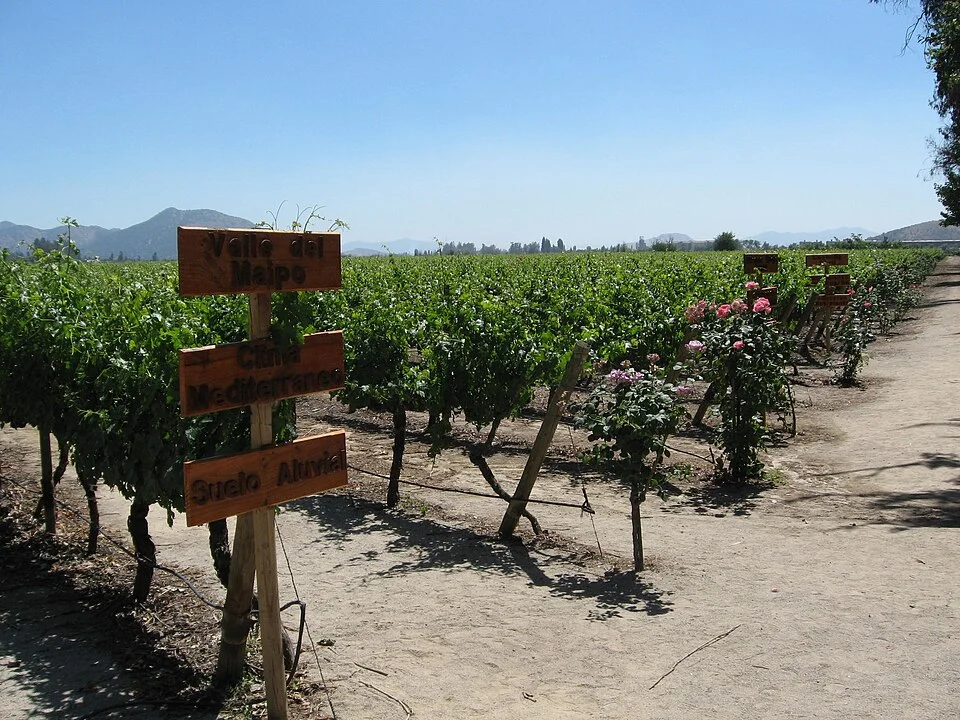
Maipo Valley: From Andean foothills to the coastal range, site and blending bring nuance to structured reds.

Compare styles of this grape

Distinguish a varietal-labelled bottle from a blend containing Merlot alongside other grapes. Record proportions only where given for the relevant vintage. Compare similarly priced wines and describe fruit, tannin grip and finish without ranking one in advance as easier or finer. Texture differences can accompany several production decisions. Match your observations with the wine and regional information while keeping personal sensations separate from marketing promises.

Understanding wine aromas → · Oaked and unoaked wine: understanding maturation →
Frequently asked questions

Where can I compare this grape?
Does the grape alone predict the taste?

Style descriptions are guides, not rules: vintage, vineyard, blending and maturation change the result.

What does a wine vintage tell you? ↗

About the images

Illustrative images are AI-generated for FRANCE VINS. Landscapes evoke wine regions; grape images illustrate grapes without identifying a variety.

Prepare your bottle comparison : Merlot

Choose your question before choosing bottles. These associations come from this entry; then check labels and producer information. Two bottles can reveal contrasts without isolating a cause.

Prepare your bottle comparison
Comparison axisContinue with useful entriesInformation to record
OriginBordeaux · Maipo ValleyUse the named grape as a starting point, then record appellation, producer and blend.
With foodGrilled red meatRecord the exact recipe and sauce. Compare the wine alone and after a bite without changing service.
In the glassUse the practical toolsRecord temperature, glass and time after opening. Compare aroma and texture before stating a preference.

Build a small wine selection ↗

Reading the label

Merlot · Botanical reference points

Phenology describes stages in plant development. These Pl@ntGrape reference points are relative to Chasselas B at Domaine de Vassal. Budbreak and maturity are separate stages; differences between varieties do not predict a harvest date for a vineyard or vintage.

Pl@ntGrape · Merlot N
Name in the catalogueMerlot N
Reported originBordeaux vineyards; proposed Cabernet franc × Magdeleine noire parentage.
Berry shapeRound
Relative budbreak2 days after Chasselas
Relative maturityPeriod 2; 2½ weeks after Chasselas

The eight source records were originally consulted on 22 October 2026. Proposed origins and ranges remain qualified. A variety’s parentage is not a wine blend; a berry photograph alone cannot identify an unknown vine.

Pl@ntGrape · Merlot N (PDF) · Chasselas B (PDF)

See the eight varieties and sources →