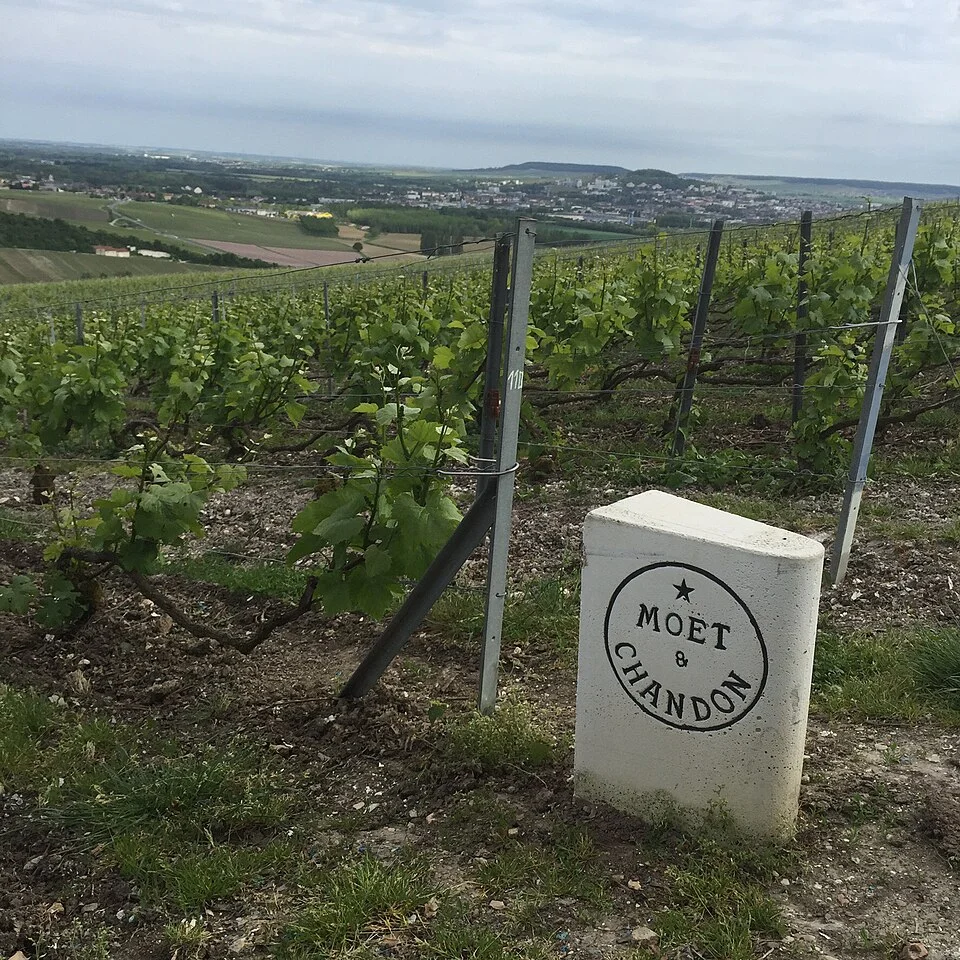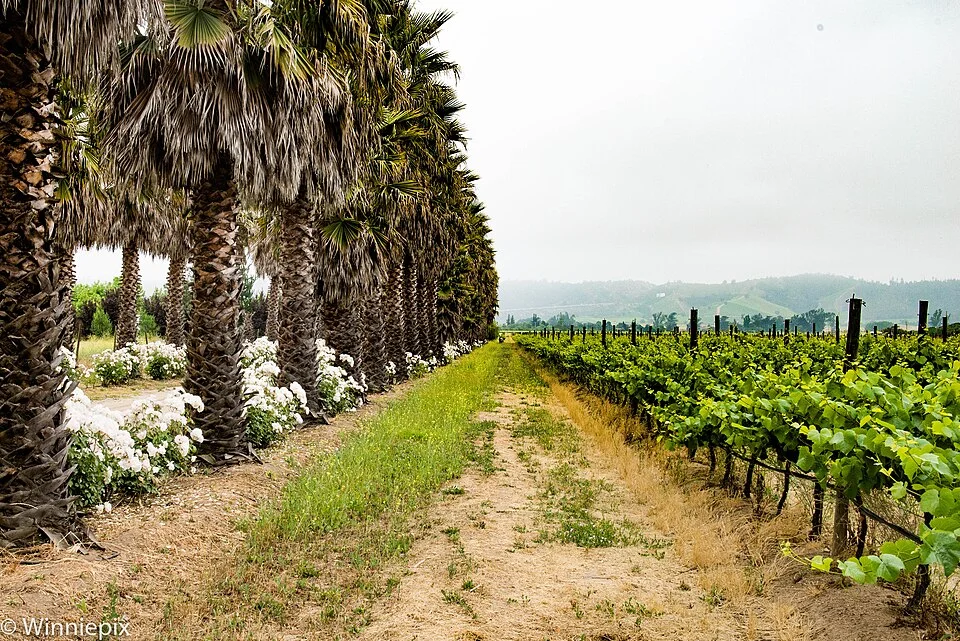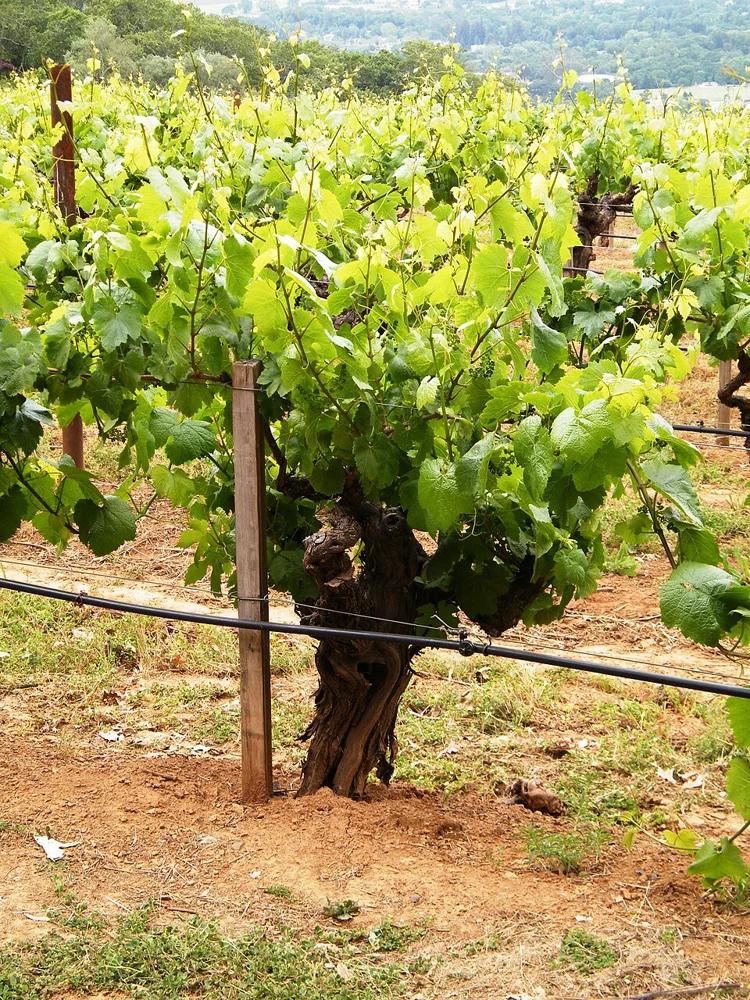
Chardonnay · Documentary photograph
Grape varieties

Chardonnay

From crisp and mineral to broad and buttery.

Documentary photograph · Sarah Stierch · Source · CC BY 4.0 · Resized and converted to WebP; no retouching.

Signature

Chardonnay

From crisp and mineral to broad and buttery.

Climate and winemaking matter greatly: one grape can yield very different still or sparkling whites.

What to notice

Compare an unoaked version with a barrel-aged one: the grape stays the same, while fermentation and ageing change texture.

Explore styles and places

Style descriptions are guides, not rules: vintage, vineyard, blending and maturation change the result.

Burgundy: Parcels, soils and exposures create a finely grained map of terroir, from Chablis to the Mâconnais.

Champagne: Acidity, fine bubbles and time on lees give Champagne its distinctive depth.

Casablanca Valley: Maritime freshness and differences between sites make two whites from the same vintage rewarding to compare.

Willamette Valley: Pinot Noir and Chardonnay combine fruit and freshness here.

Jura: Arbois, Côtes du Jura, L’Étoile and Château-Chalon locate wines; vin jaune and vin de paille are different wine types.

Build a small wine selection ↗

Compare styles of this grape

Build the comparison around maturation before contrasting countries. Find one wine with documented vessel and duration, then another described without wood influence. Record fruit, freshness, texture and finish in the same order. A broad texture or buttery note alone does not prove barrel maturation. Check available winemaking details and record unknowns. The exercise describes your preference without treating Chardonnay as one fixed flavour.

Understanding wine aromas → · Oaked and unoaked wine: understanding maturation →

Frequently asked questions

Where can I compare this grape?
Does the grape alone predict the taste?

Style descriptions are guides, not rules: vintage, vineyard, blending and maturation change the result.

What does a wine vintage tell you? ↗

About the images

Illustrative images are AI-generated for FRANCE VINS. Landscapes evoke wine regions; grape images illustrate grapes without identifying a variety.

Prepare your bottle comparison : Chardonnay

Choose your question before choosing bottles. These associations come from this entry; then check labels and producer information. Two bottles can reveal contrasts without isolating a cause.

Prepare your bottle comparison
Comparison axisContinue with useful entriesInformation to record
OriginBurgundy · Champagne · Casablanca Valley · Willamette Valley · JuraUse the named grape as a starting point, then record appellation, producer and blend.
With foodFish & seafood · Roast poultry · Soft cheesesRecord the exact recipe and sauce. Compare the wine alone and after a bite without changing service.
In the glassUse the practical toolsRecord temperature, glass and time after opening. Compare aroma and texture before stating a preference.

Build a small wine selection ↗

Reading the label

Chardonnay · Botanical reference points

Phenology describes stages in plant development. These Pl@ntGrape reference points are relative to Chasselas B at Domaine de Vassal. Budbreak and maturity are separate stages; differences between varieties do not predict a harvest date for a vineyard or vintage.

Pl@ntGrape · Chardonnay B
Name in the catalogueChardonnay B
Reported originBurgundy; proposed Pinot × Gouais blanc parentage.
Berry shapeRound
Relative budbreak1 day before Chasselas
Relative maturityPeriod 1; 1½ weeks after Chasselas

The eight source records were originally consulted on 22 October 2026. Proposed origins and ranges remain qualified. A variety’s parentage is not a wine blend; a berry photograph alone cannot identify an unknown vine.

Pl@ntGrape · Chardonnay B (PDF) · Chasselas B (PDF)

See the eight varieties and sources →