A journey through Burgundy
Two grapes, endless nuance and a close reading of the landscape.
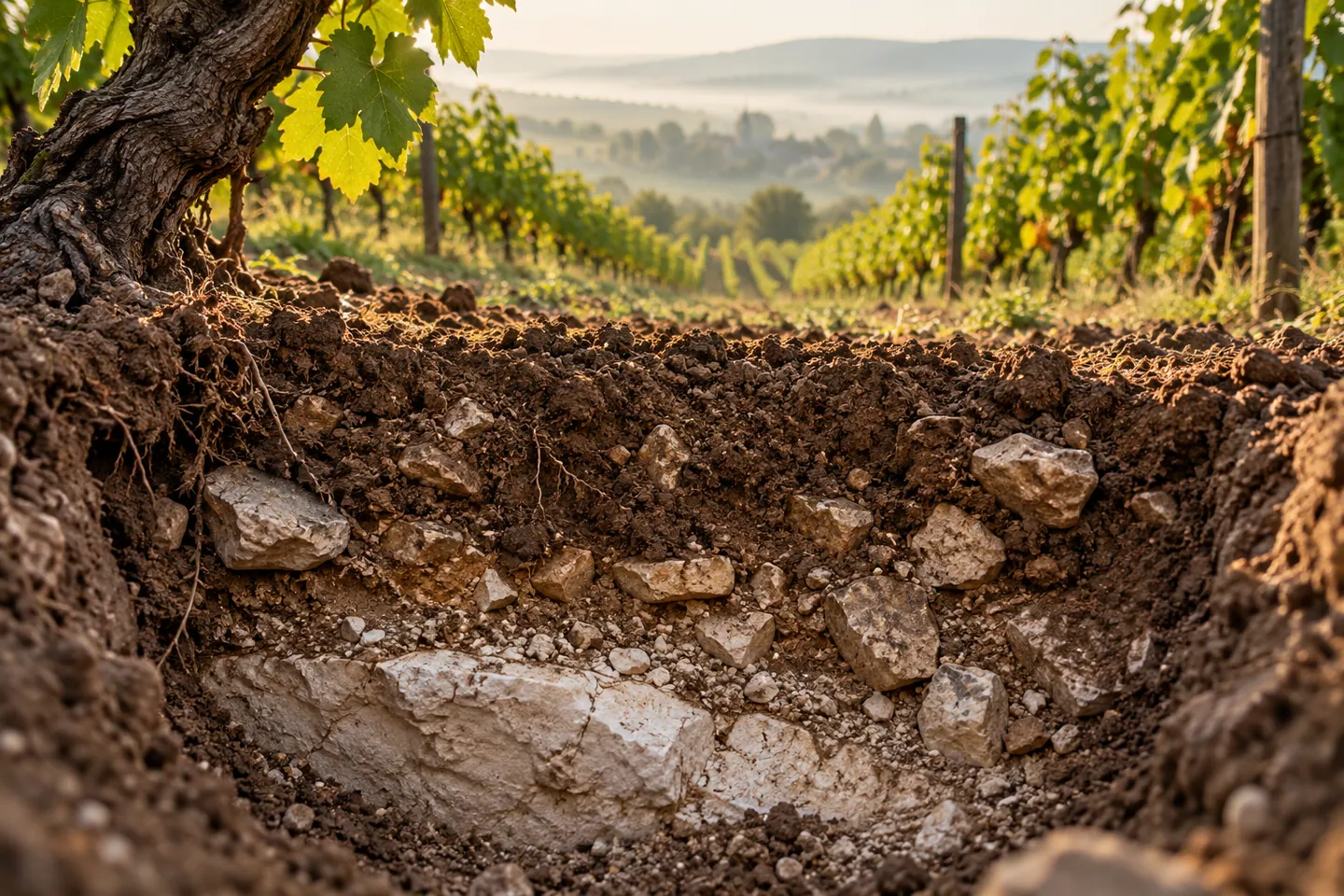
In Burgundy, Pinot Noir and Chardonnay are the guiding thread. From one village to another, sometimes between neighbouring parcels, exposure and soil change the way wine tastes.
Try tasting side by side: a Chablis white and one from the Côte de Beaune, a village red and a neighbouring cru. Comparison tells the region’s story better than a long list of names.
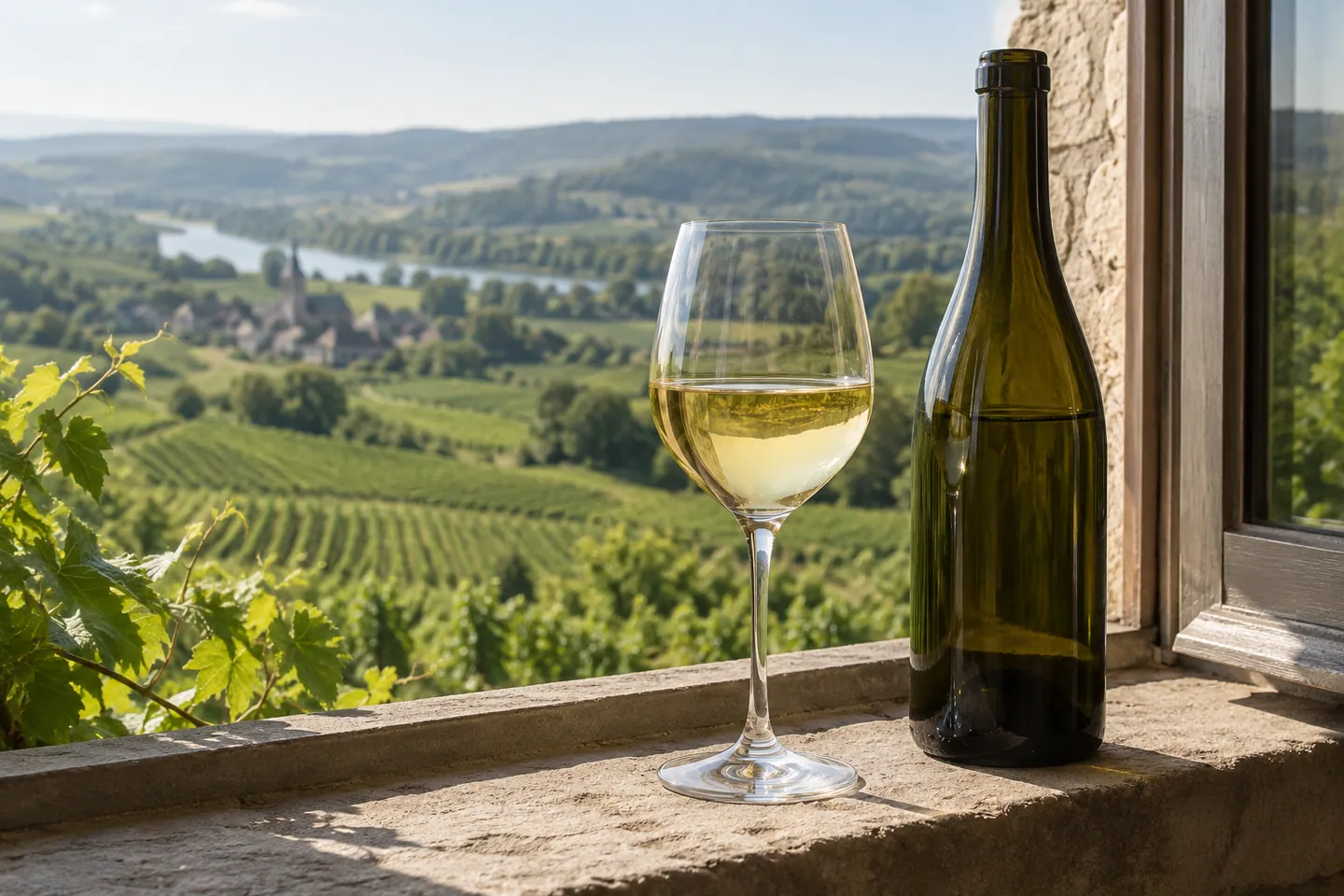
Pinot Noir and Chardonnay offer two starting points. Taste them separately, then compare the same grape from two appellations to explore the role of place.
Keep simple notes on fruit, acidity, texture and finish. A more expensive bottle or a better-known name is not necessarily the one you will prefer with food.
Explore next
Put the guide into practice
Plan the journey by named appellation and the actual locations of estates. A broad regional name and a specific village do not give the same geographical precision. Check the producer’s information for each cuvée rather than assuming every bottle from the area has the same profile.
An exercise for comparison
For a practical comparison, choose two wines of the same grape and note origin, producer, vintage and maturation. Describe differences without claiming that one tasting isolates the effect of a plot. Confirm visits directly and arrange a return without driving after drinking.