Bubbles beyond celebration
Sparkling wines belong at the table from first course to last.
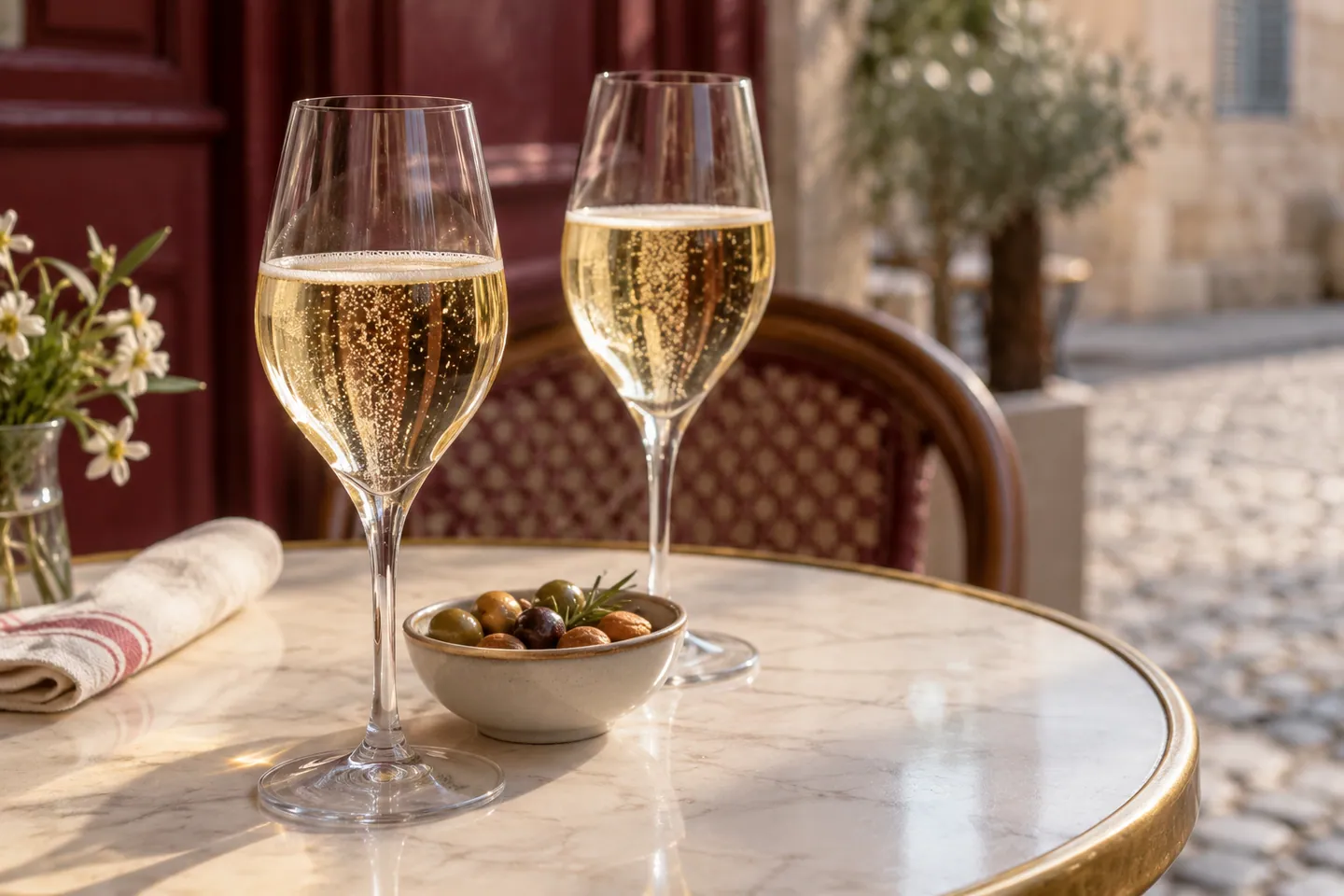
Freshness and the texture of bubbles wake up the palate. That makes sparkling wine welcome as an aperitif and useful with fried, salty or creamy dishes.
Style then matters: a lively brut suits seafood, a fuller wine meets poultry and a sweeter cuvée can follow dessert. The right bottle fits both dish and company.
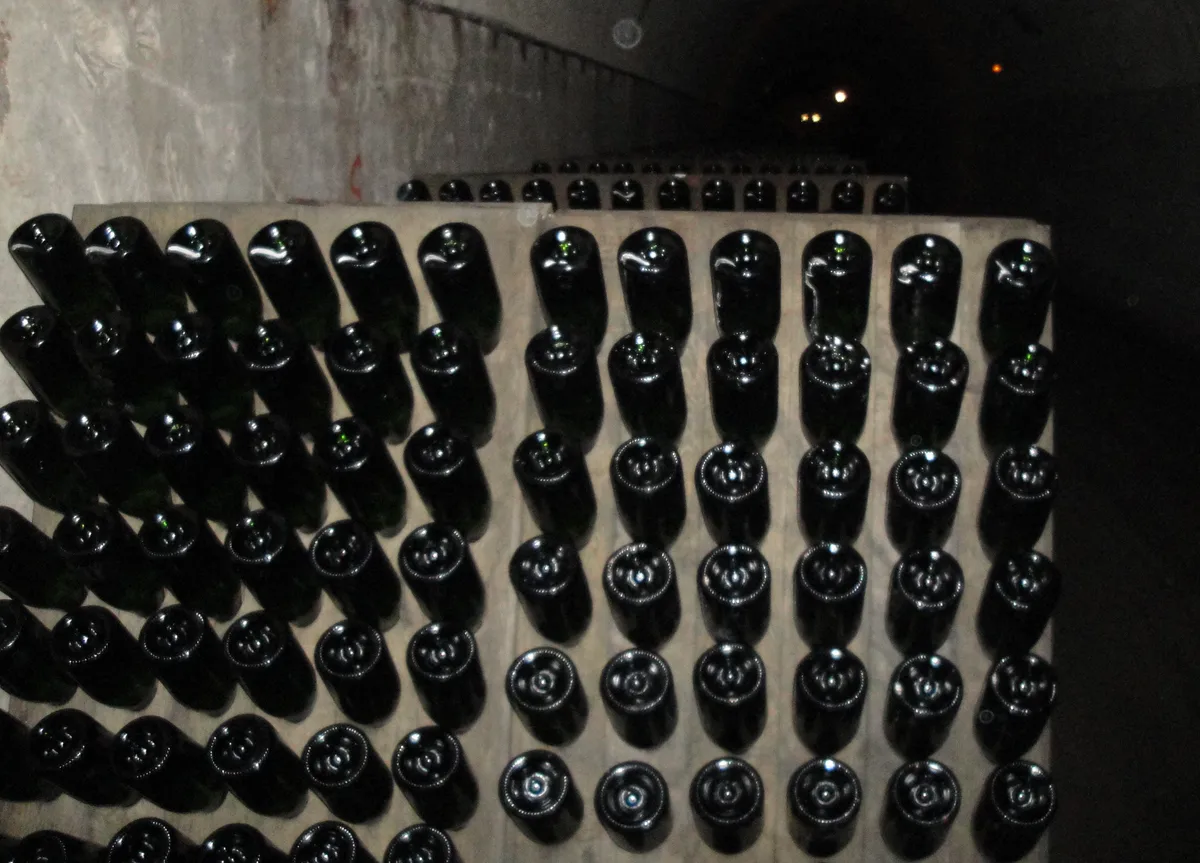
Bubbles alone do not tell you whether a wine will feel crisp, full, dry or sweet. The base wine, method and maturation together shape the result.
Try sparkling wine with a savoury or creamy dish and then with dessert. Match sweetness carefully: a very dry wine may seem harsh beside a sweet dessert.
Put the guide into practice
Choose bubbles for the occasion and actual food rather than treating celebration as a style. Compare named origin, production method, stated sweetness and whether a vintage is given. Do not judge quality from bubble size or label prestige alone.
An exercise for comparison
Prepare two identical glasses and record aroma, freshness, texture and finish. Keep serving conditions similar and open bottles safely away from people. A fictional comparison sheet is a learning format, not a claim that these wines were personally tested by our editorial team.