Preserving a bottle after opening
Limit air and heat, preserve bubbles and monitor the wine.
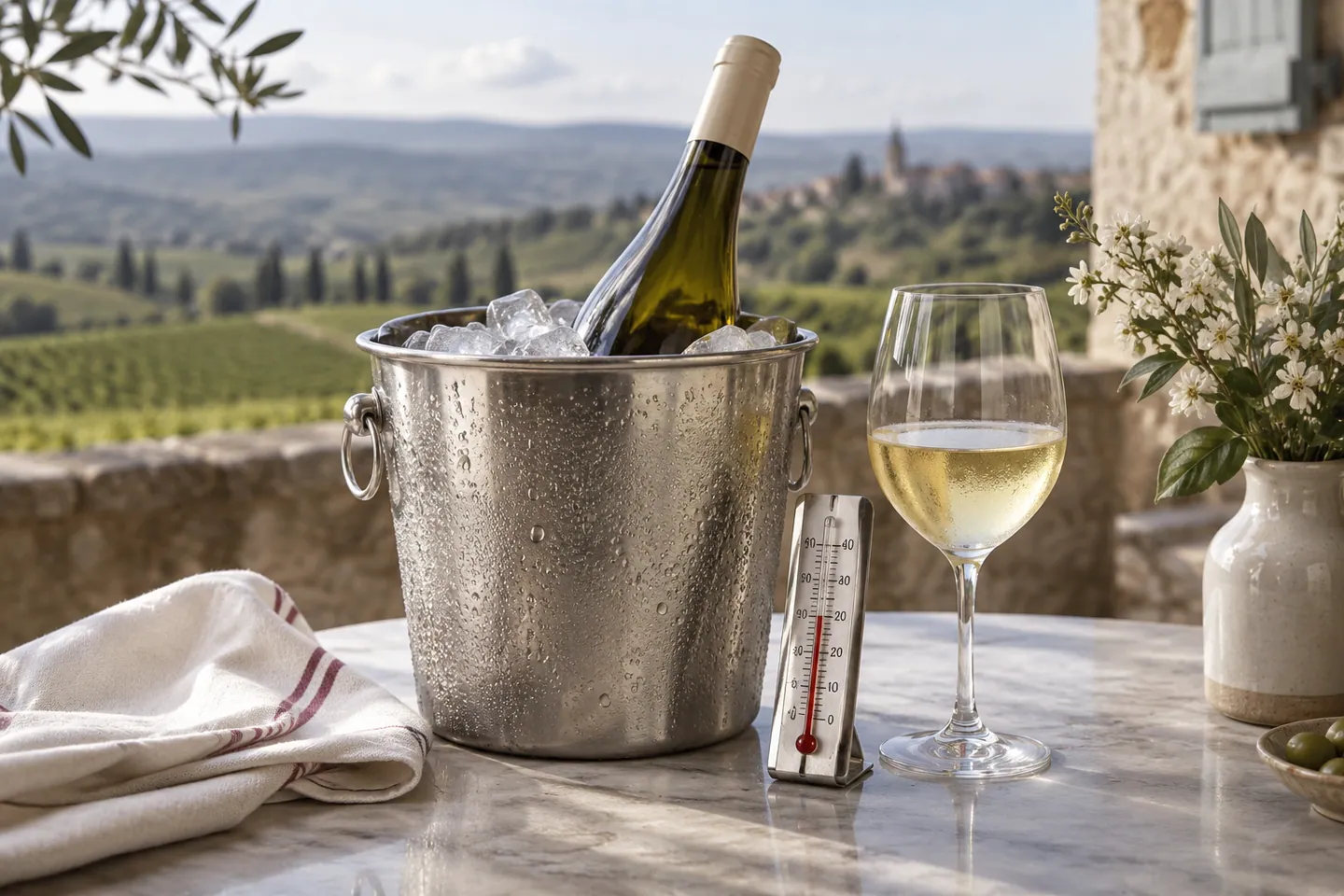
Reseal promptly and refrigerate, including reds. Cold slows change but does not stop it. Let red wine return to serving temperature afterwards. Note the opening date.
Air space grows as the bottle empties. A small clean sealed container can reduce it. Vacuum and gas systems have different uses; no accessory restores an oxidised wine. Follow the manufacturer’s instructions.
Use a pressure-suitable sparkling stopper and keep the bottle cold. A spoon in the neck is not reliable preservation. Avoid repeated handling and vacuum systems that remove gas.
No single duration fits every open bottle. Style, remaining air, closure and temperature matter. Compare aroma and taste with day-one notes; fading fruit and marked oxidation show change. Fortified wines have their own guidance.
Explore next
WSET: Preserve wine after opening ↗
Put the guide into practice
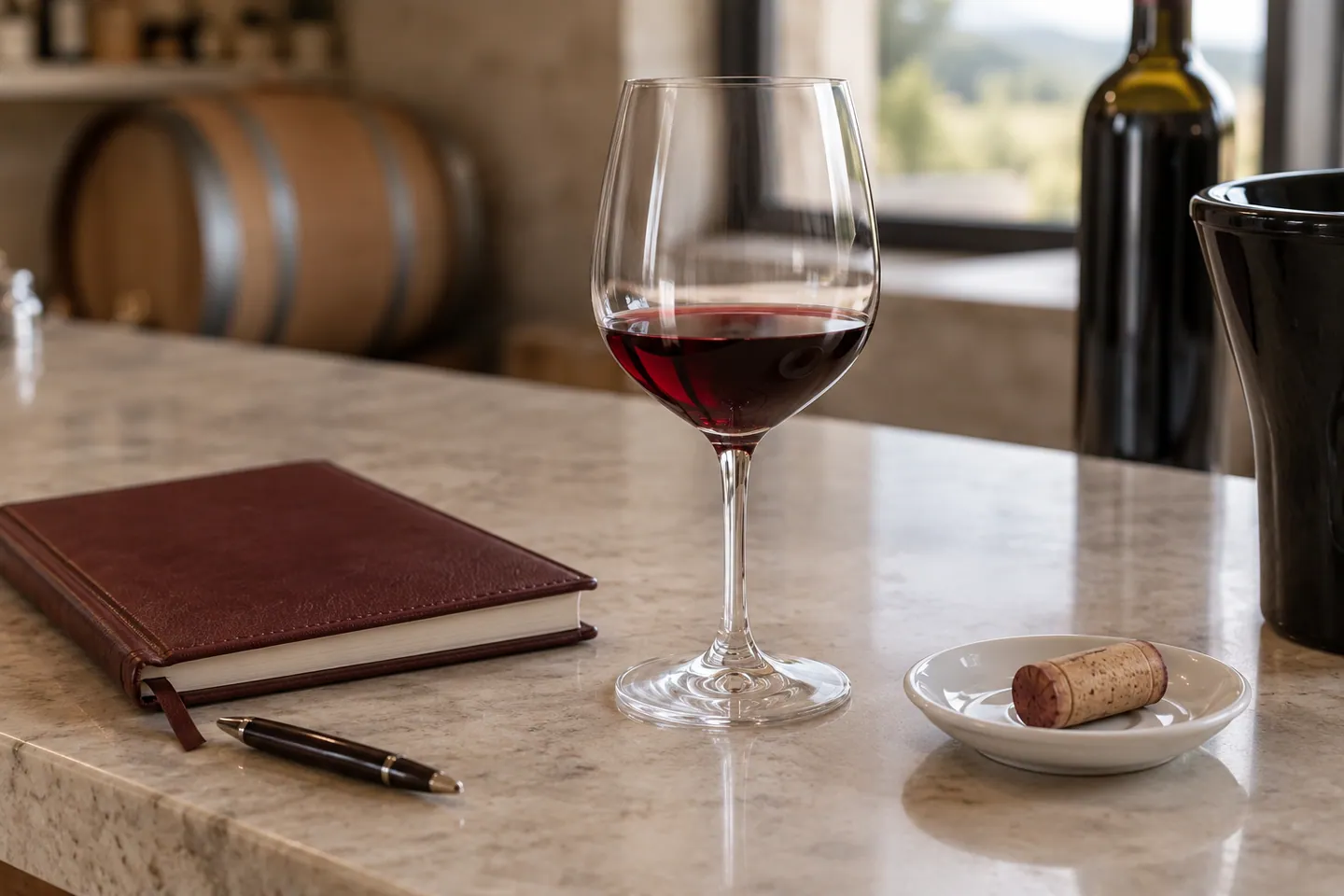
Close the bottle after service and record when it was opened. Compare the next pour with a short note made on opening, rather than treating a fixed number of days as a guarantee. Storage conditions and the wine both matter.
An exercise for comparison
Keep any transfer container clean and suitable for food. A smaller container does not undo earlier exposure to air. For sparkling wine, use a closure intended for pressure; evaluate remaining bubbles separately from aroma.