Terroir is more than soil
Climate, landscape and human choices: what gives a wine its sense of place.
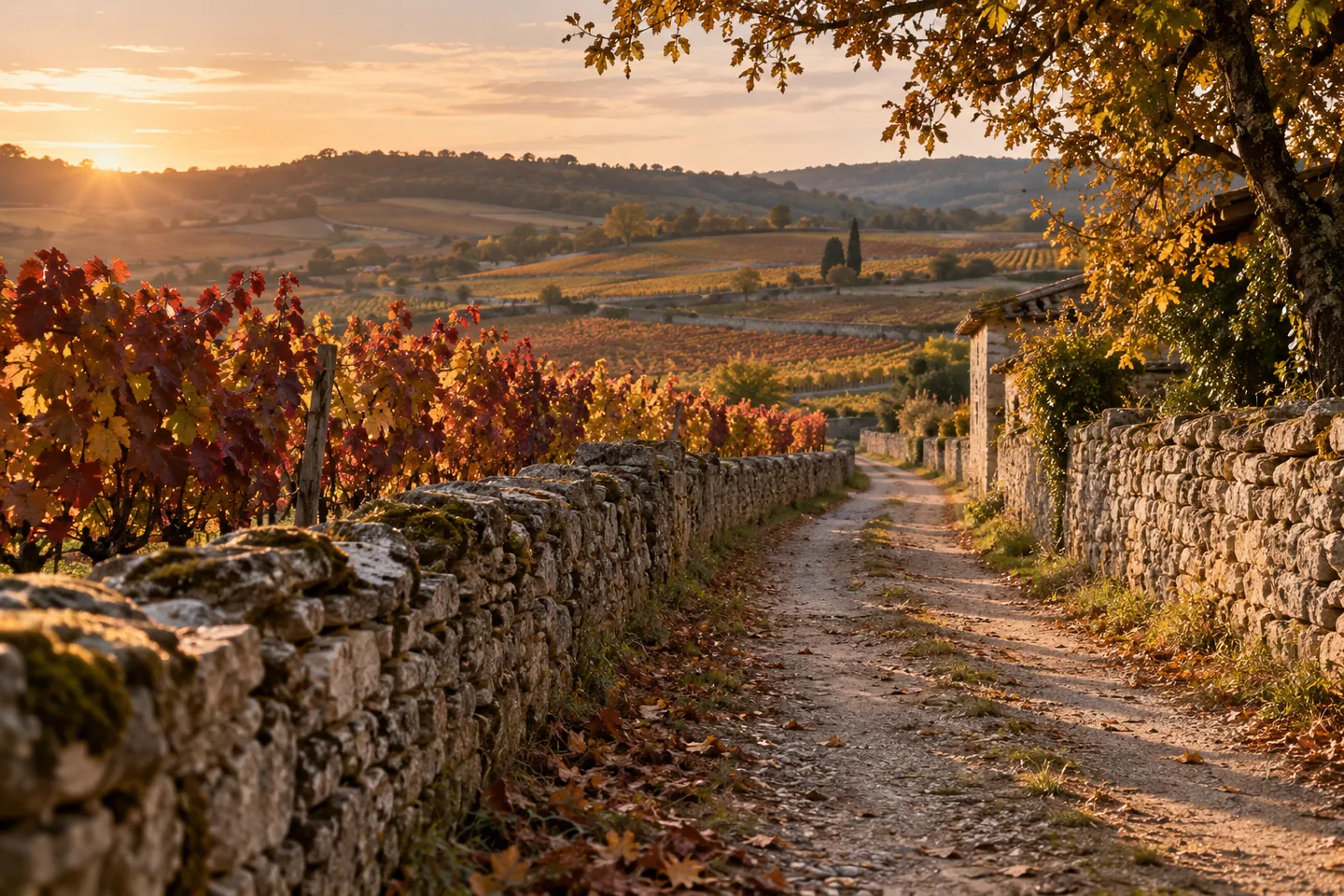
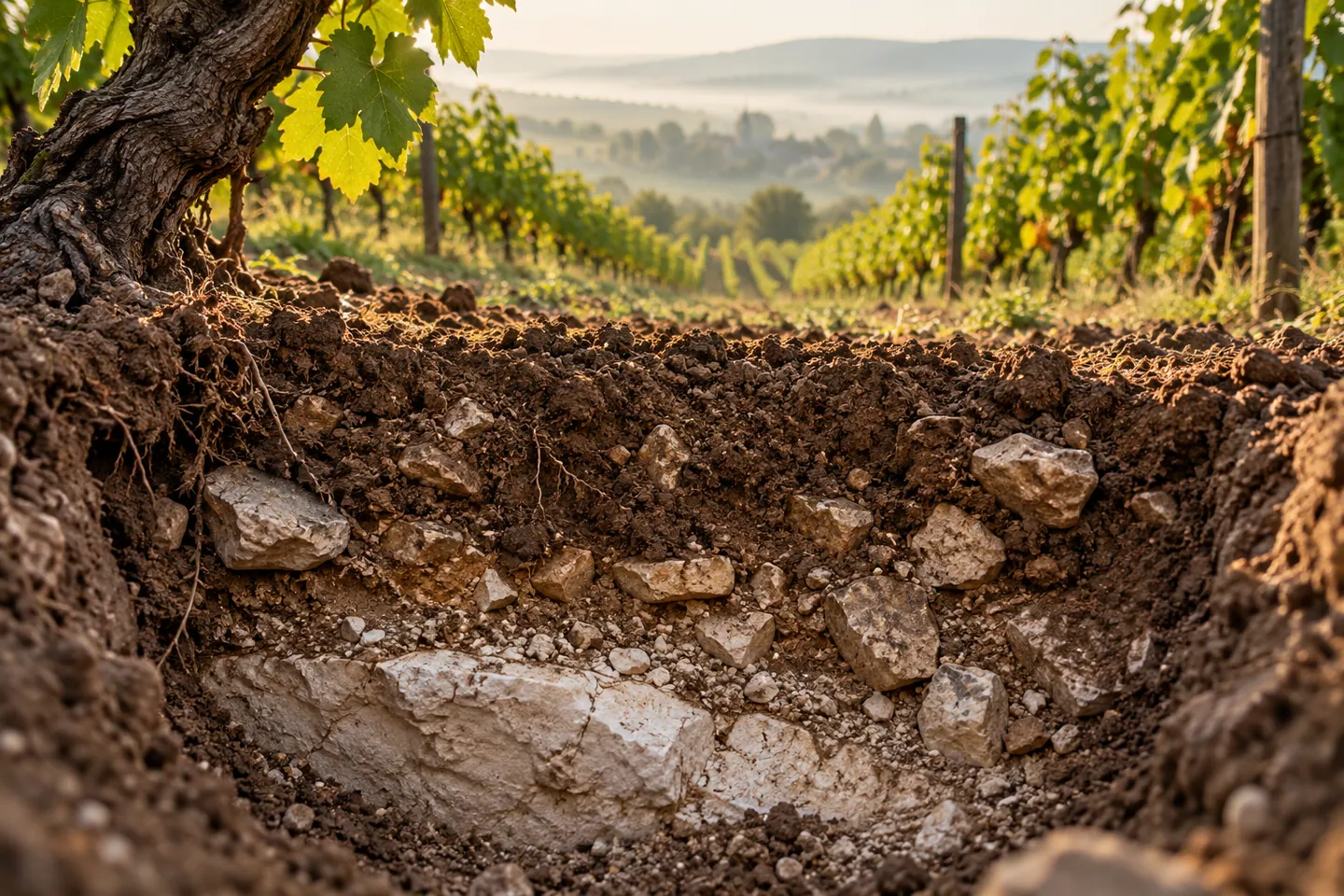
A vine never grows in the abstract. It receives light, passes through seasons and roots itself in a particular soil. Altitude, exposure and available water influence how grapes ripen.
The grower is part of that story too. Choices in vineyard and cellar shape the finished wine. Terroir describes a meeting between nature and human work.
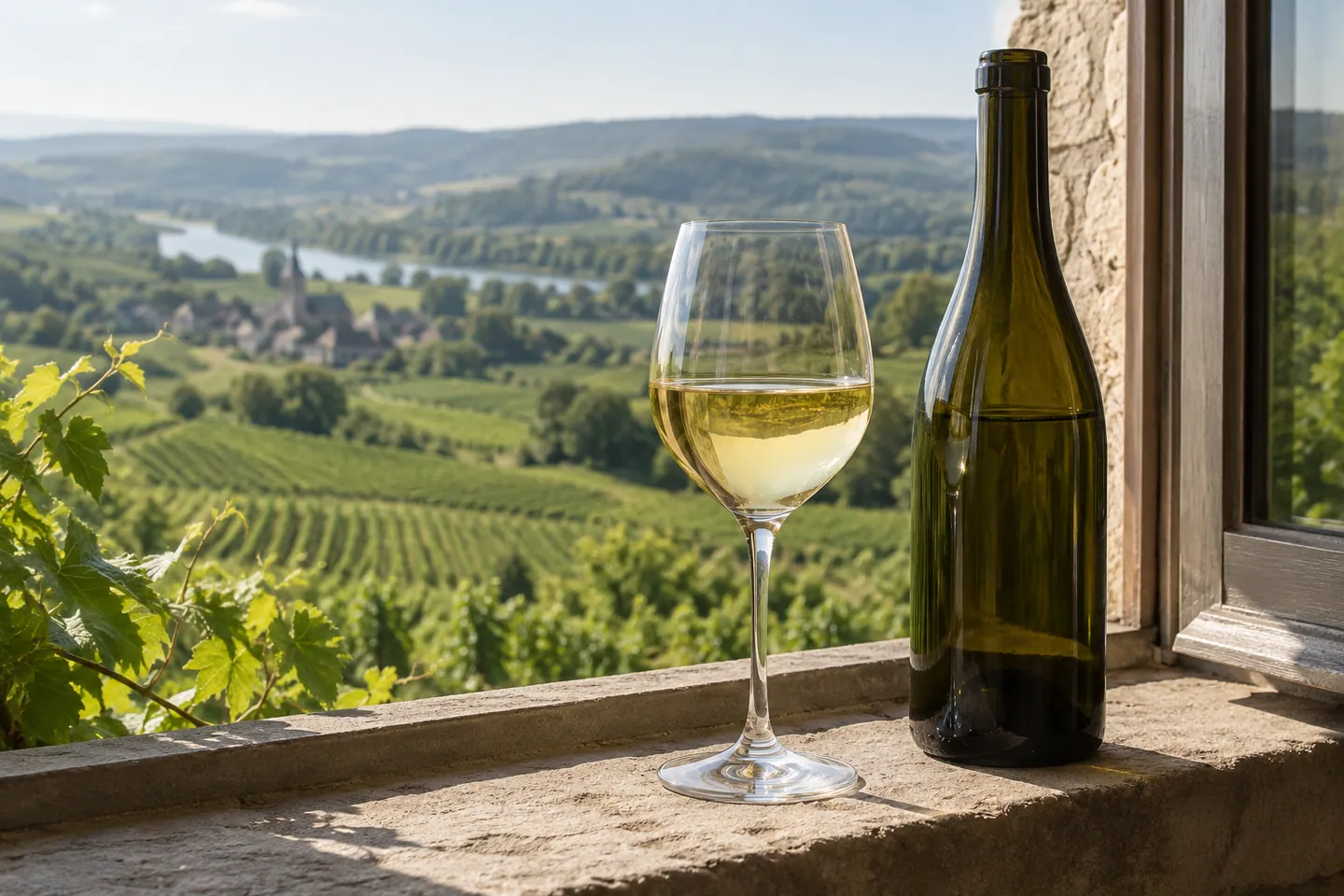
To notice this in the glass, compare one grape variety from two regions. Serve the wines at similar temperatures and note freshness, texture and fruit first.
A difference never proves that a single factor caused it. Vintage, grape ripeness, cellar choices and time in bottle also affect the result.
Explore next
Terroir ↗Burgundy ↗Loire Valley ↗PDO, AOC and PGI: understanding wine origin ↗From grapes to wine: fermentation, maceration and maturation ↗
Put the guide into practice
Use terroir as a question to investigate, not an aroma to identify with certainty. Separate information about a site from the producer’s decisions and the conditions of the bottle. A sensory description is not a chemical analysis of the soil.
An exercise for comparison
Write three columns for a comparison: documented place, documented production, observed taste. Leave unknown fields blank. Two bottles can make differences easier to discuss, but they cannot prove which single factor caused them. Follow the regional sources linked in the guide.