Why Riesling fascinates
One grape can combine intensity, lightness and precision.
Riesling is known for vivid freshness and aromas of citrus, flowers or stone fruit. Yet its style shifts greatly from place to place.
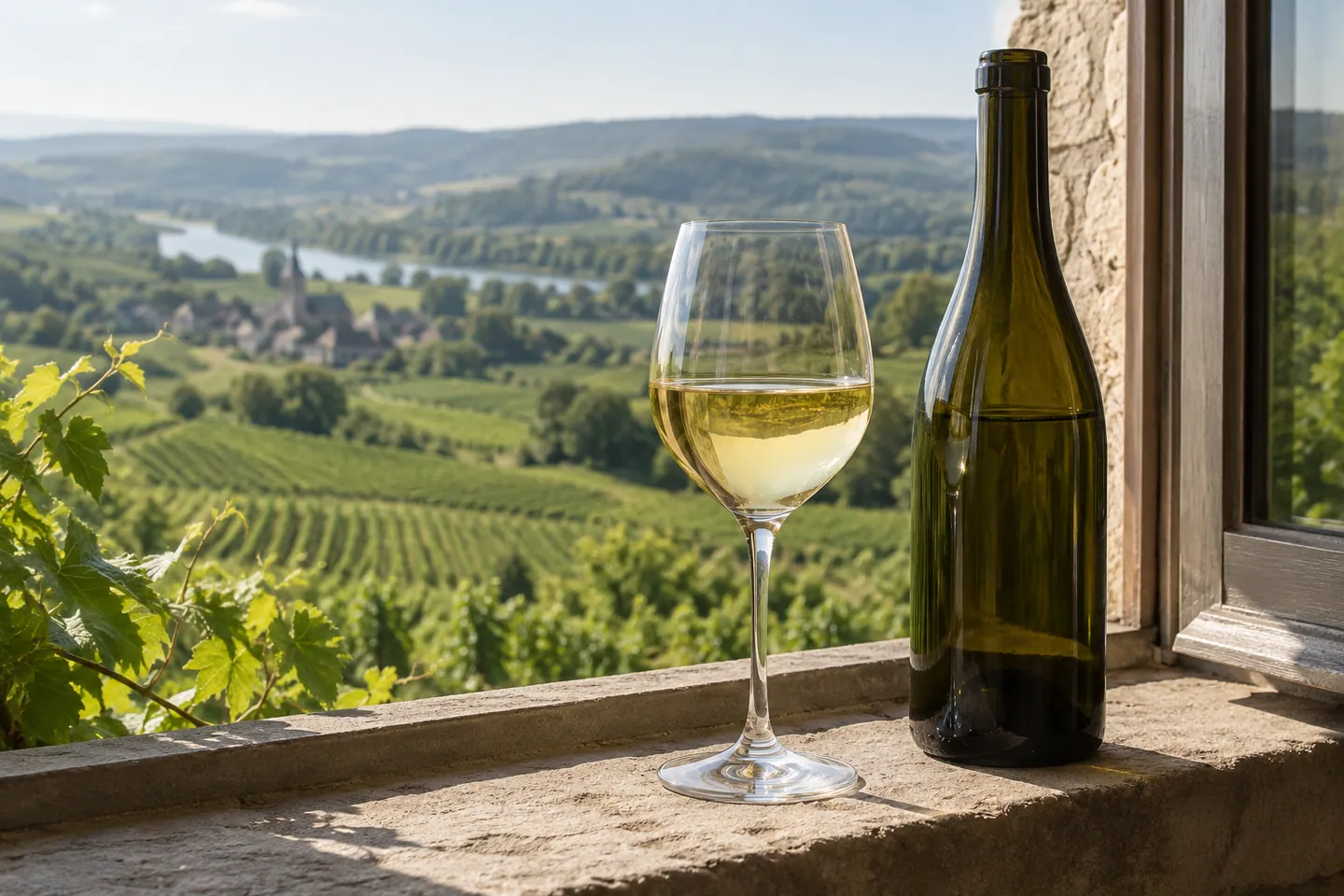
It can be bone dry or gently sweet. In either case, acidity holds the balance. Discover it by comparing a dry and an off-dry bottle with the same meal.
Riesling lets you compare dry wines with noticeably sweeter ones while still following their freshness. Read the label, then taste rather than guessing from one word.
At the table, start with the dish: delicate food often suits a restrained wine, while a little sweetness can help with chilli heat. Sauce matters as much as the main ingredient.
Put the guide into practice
Start with the bottle’s stated style rather than assuming that Riesling means either dry or sweet. Origin, vintage and producer information help frame the comparison. A perfumed aroma does not itself tell you the sugar level.
An exercise for comparison
Compare two clearly identified styles and note freshness and sweetness separately. Taste with the actual dish, including sauce, rather than naming an automatic pairing. Use the grape and region entries to locate sources; a pair of bottles does not represent every expression of Riesling.