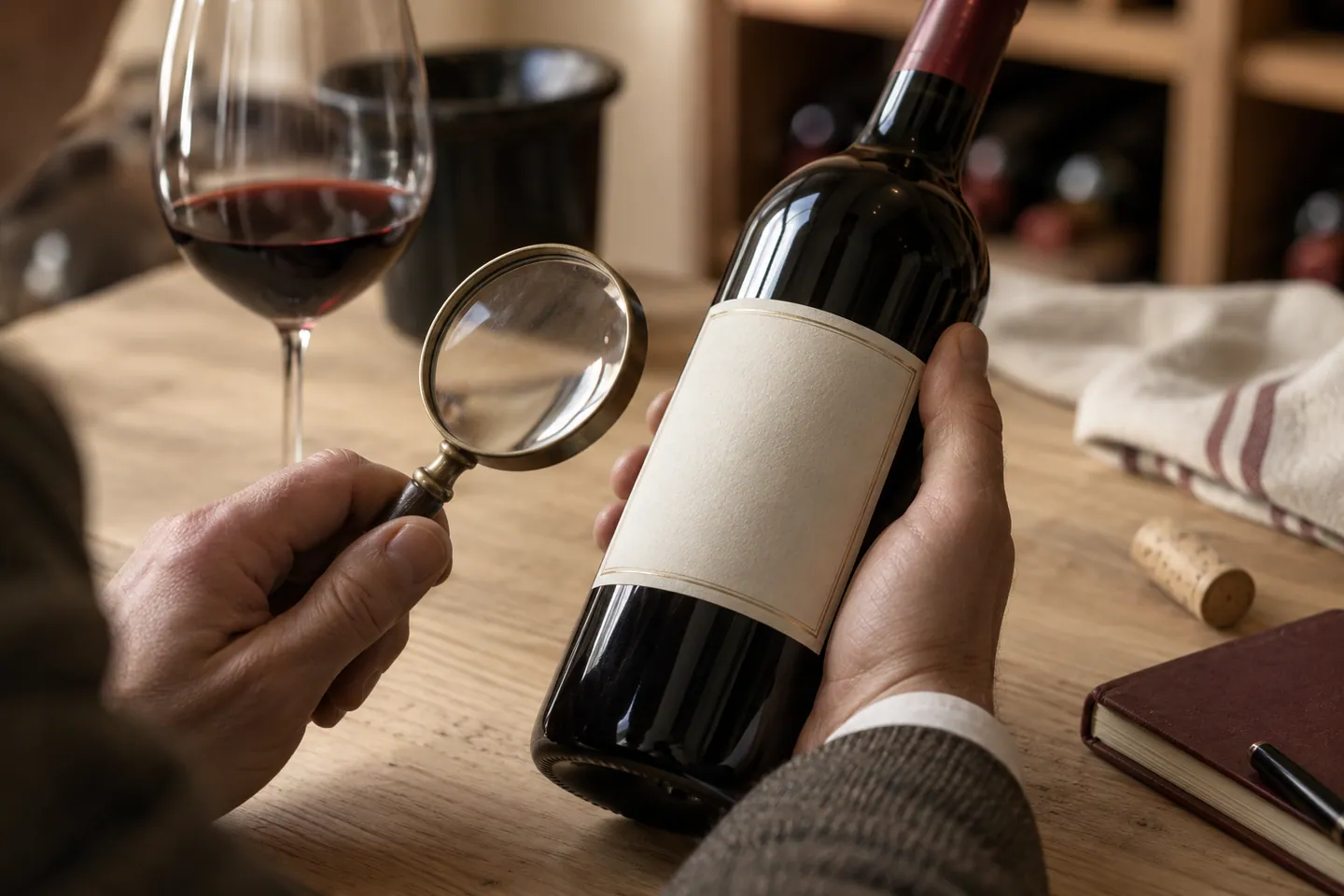
AI-generated photographic illustration for « What does a wine vintage tell you? ». Fictional scene; does not depict a real establishment or identify a grape variety.
Learn · 1 min read

What does a wine vintage tell you?

A harvest year provides context, never a guarantee of quality.

Learn

What does a wine vintage tell you?

A harvest year provides context, never a guarantee of quality.

01

A vintage is generally the year the grapes were harvested.

02

Weather is regional: a good year in one place may be difficult elsewhere.

03

Producer, site, style and storage also shape the bottle you open.

04

A year on the label does not define quality alone. Check local weather, producer style and bottle storage; for everyday wine, fresh fruit may matter more than a vintage’s reputation.

Put the guide into practice

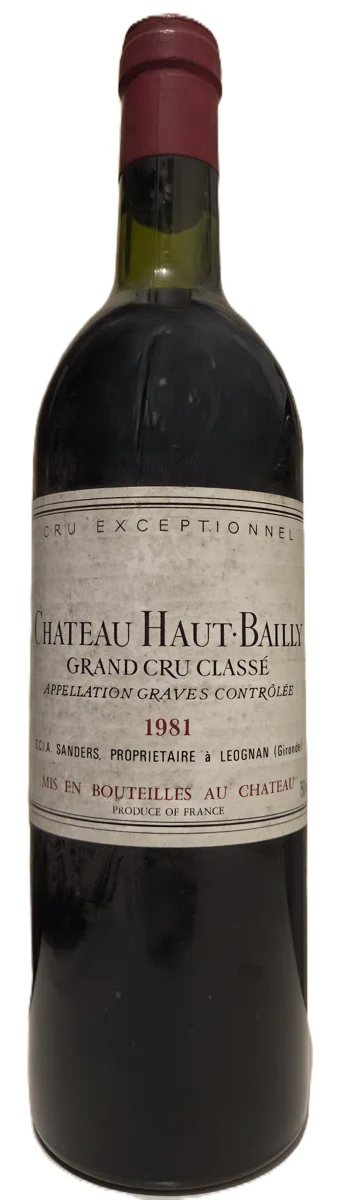
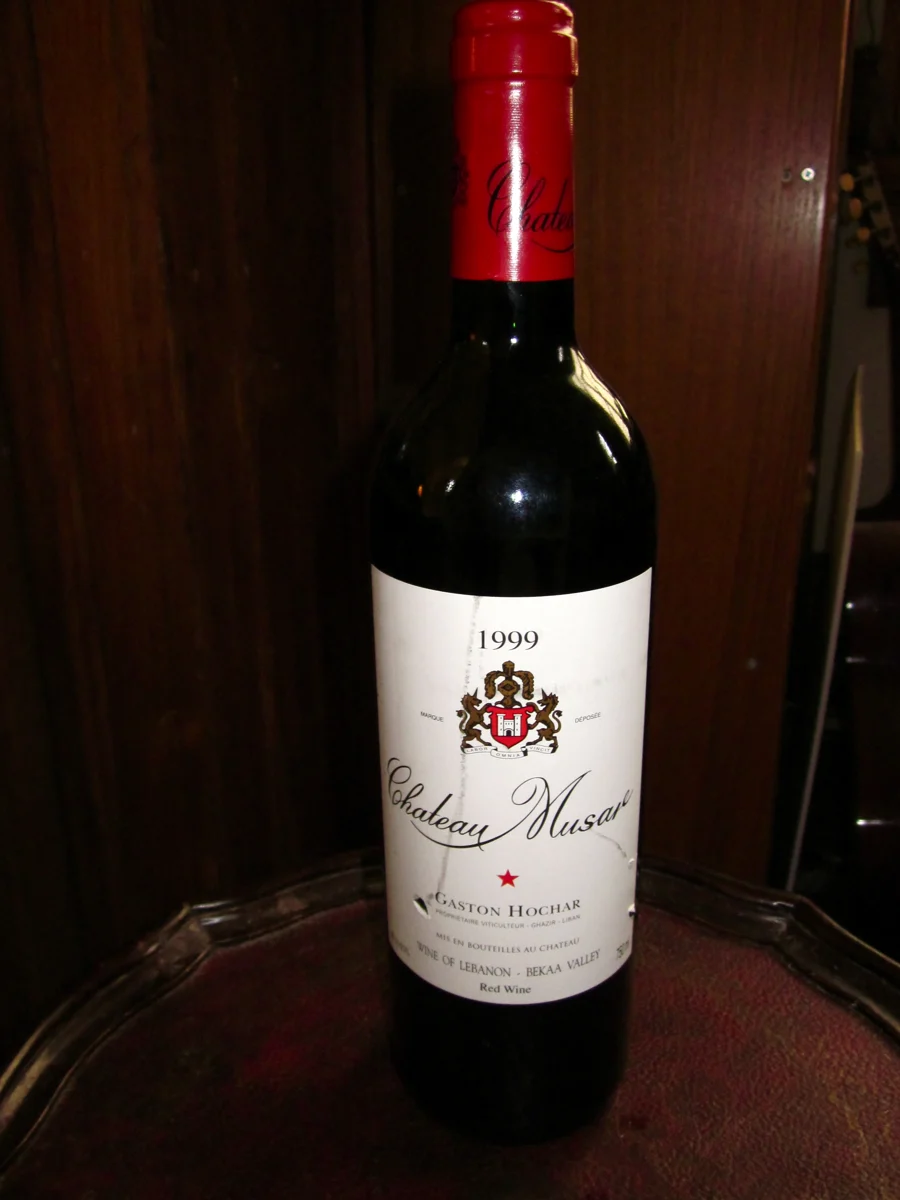
Read the year together with origin, producer and cuvée. A regional vintage reputation does not describe every bottle or its storage history. Check that an online offer is selling the vintage pictured, particularly when several years share one product page.

An exercise for comparison

To compare years, choose the same cuvée where possible and document bottle condition. Record aromas and texture before checking reputation. Age, storage and producer decisions all limit what two bottles can tell you about the weather in their harvest years.
Frequently asked questions

Does a good year guarantee a good bottle?

No. Producer, site, wine category and storage remain decisive. For an old bottle, condition and provenance are more concrete than a broad year score.

About the images

Illustrative images are AI-generated for FRANCE VINS. Landscapes evoke wine regions; grape images illustrate grapes without identifying a variety.

Terms for reading this guide

  • Non-vintage: No harvest year claimed on the bottle. Non-vintage Champagne can blend several years. This does not imply missing traceability or production choices.
  • Harvest: Picking grapes for wine. Its date cannot be inferred only from the label year: place, desired ripeness and seasonal conditions matter.

Wine in photographs

Reading the label

Separate the vine reference from the wine vintage

Chardonnay and Chenin share a budbreak reference of one day before Chasselas, but their maturity references differ. Merlot, Sauvignon and Syrah share a maturity reference without being the same wine. A catalogue describes a plant; a technical sheet describes a cuvée. Keep observation date, source consultation date, location and harvest year separate. Unknown information remains unknown.

Phenology describes stages in plant development. These Pl@ntGrape reference points are relative to Chasselas B at Domaine de Vassal. Budbreak and maturity are separate stages; differences between varieties do not predict a harvest date for a vineyard or vintage.

See the eight varieties and sources →