Profile created on 12 October 2026

Australian wine house producing wines from multiple regions.
A route to explore : Check each bottling’s origin: the house works across multiple regions.
Practical references
Grange illustrates Penfolds’ multi-region approach. Winery or visit location does not mean every grape comes from there. For comparison, check vintage origins and blend in the official technical sheet.
Learn
Planning a winery visit ↗ · What does a wine vintage tell you? ↗
Sources and method
Penfolds: Visit official website ↗
Two routes to understand styles
Grange
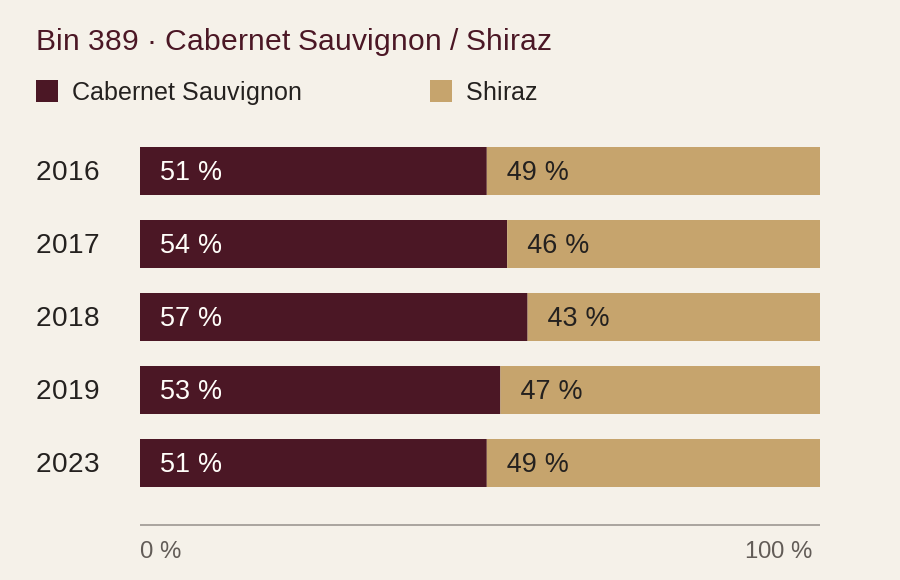
Bin 389
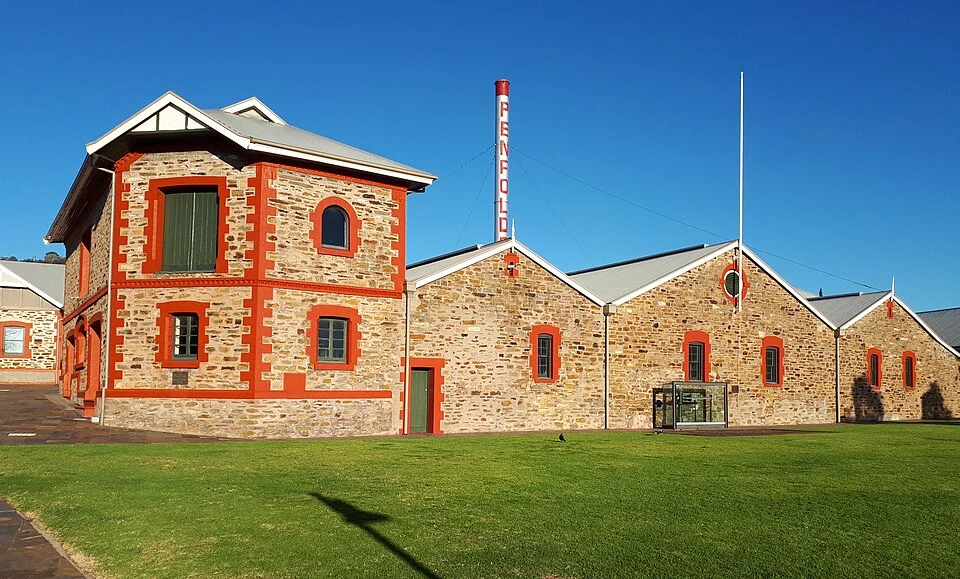
For these blends, find origins and varieties in vintage specifications. Magill’s site name does not locate all grapes within that one property.
Prepare a visit
Check the official website for meeting location, booking, language and wines included. Ask whether the route covers vineyard, cellar or tasting. Allow time between appointments and check on-site purchasing conditions: a visit offer does not mean every wine will be available.
Which cuvée should I start with?
Start with the contrast proposed above, then read the specifications for each bottle. This is a comparison route, not a quality ranking or a promised taste.