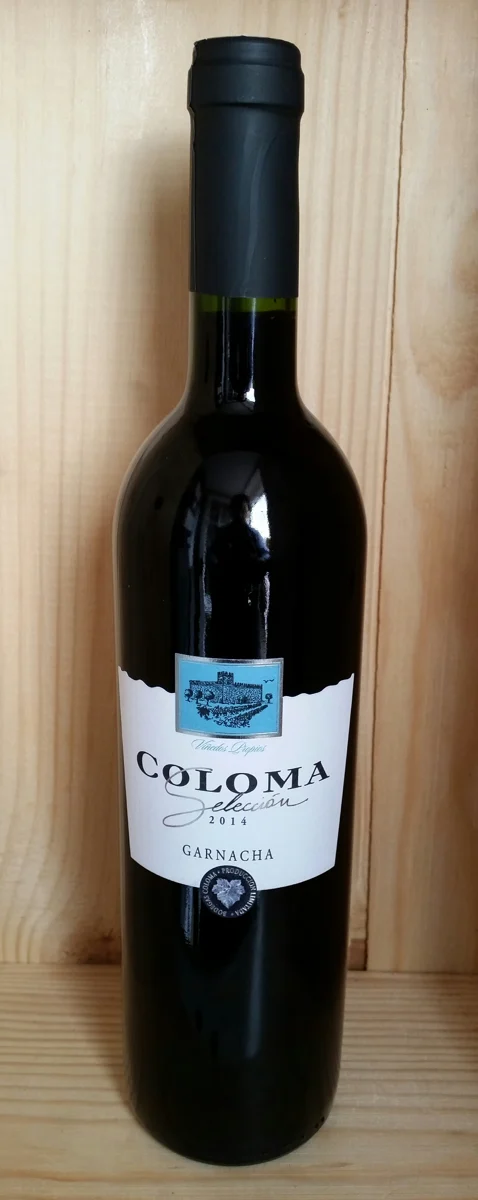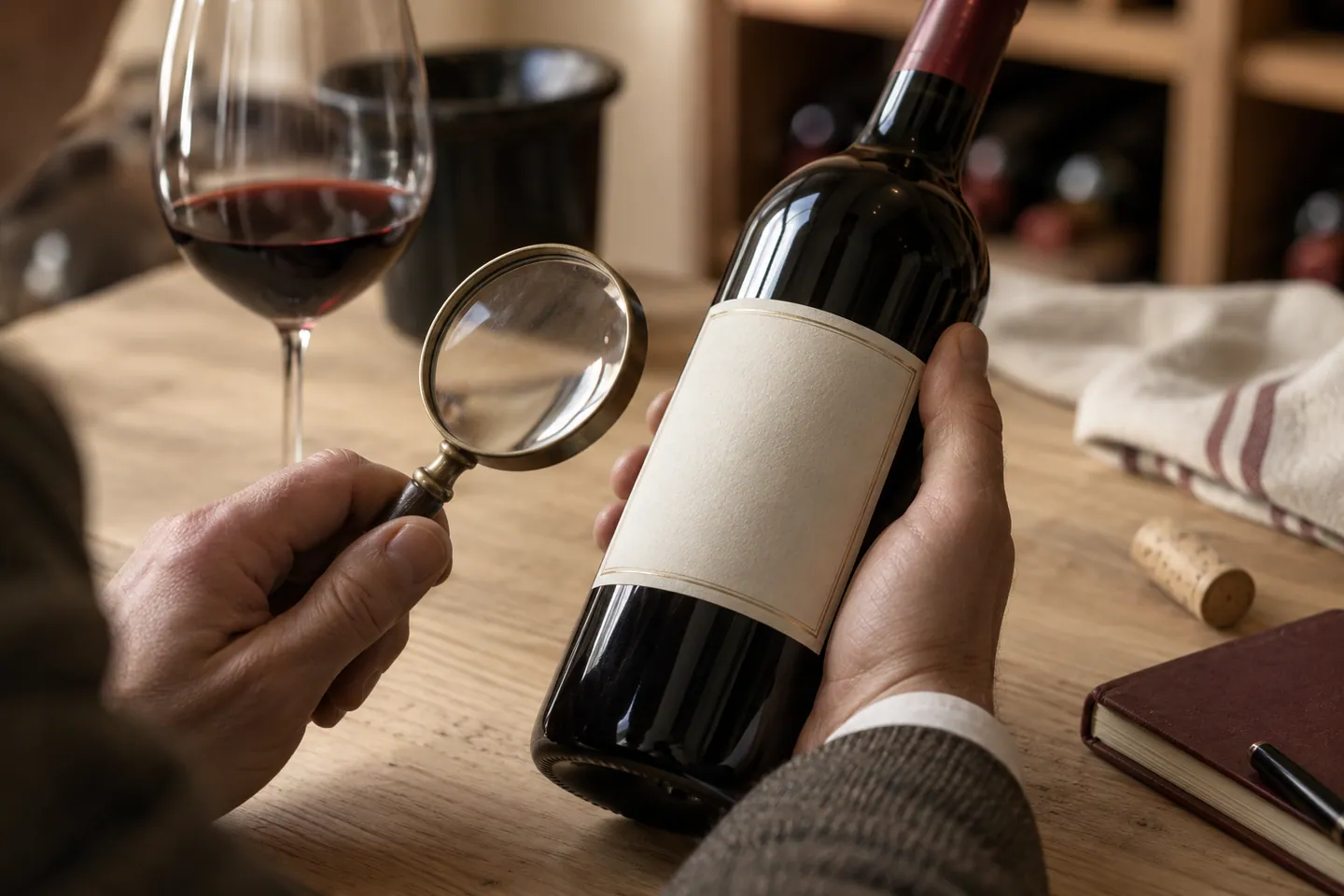
How to read a wine label
Origin, vintage, grape: spot the clues that truly help you choose.
The main name may be a region, appellation, producer or grape; conventions differ by country.
Vintage is the harvest year, not a quality score. Climate and style matter too.
Alcohol, volume and legal terms add context. Above all, connect the label to the style you enjoy.
Separate verifiable details: origin, producer, alcohol, volume: from marketing description. A grape missing from the front label may appear on the back or producer page.
Explore next
OIV: International standard for wine labelling ↗
Put the guide into practice
Read producer, cuvée, origin, vintage and bottle size before interpreting decorative wording. Photograph both labels and leave missing information unknown. An online photograph may show a different vintage from the bottle offered.
An exercise for comparison
Practise with this invented label: Example Estate, Bourgogne Pinot Noir, 2024, 75 cl. Distinguish producer, origin, grape and year. Then ask the merchant about sweetness or oak when these are not stated; alcohol strength alone does not answer either question.
Build a small wine selection ↗
Check the same bottle before comparing offers
A useful comparison starts with the exact reference. Read the front and back labels together, then check any missing details with the producer or merchant.
| Detail | Record | Check |
|---|---|---|
| Identity | Producer and full cuvée name | An estate can make several different wines. |
| Origin | Country, region and appellation as written | These describe different geographical levels. |
| Vintage | Year shown, or “not stated” | Check the year actually offered; a photograph may show another vintage. |
| Bottle size | Volume and number of bottles | Compare the same total quantity, including delivery costs. |
| Style | Sweetness or ageing information when supplied | Alcohol strength alone does not tell you sugar level or oak treatment. |
Keep observations separate from missing information. An attractive label or an appellation name is not a tasting result.
OIV: wine labelling standard ↗
Try five French wine labels
The cases below separate what the label tells you about origin, winemaking or the operator. Each example leads to the regional guide and its sources.