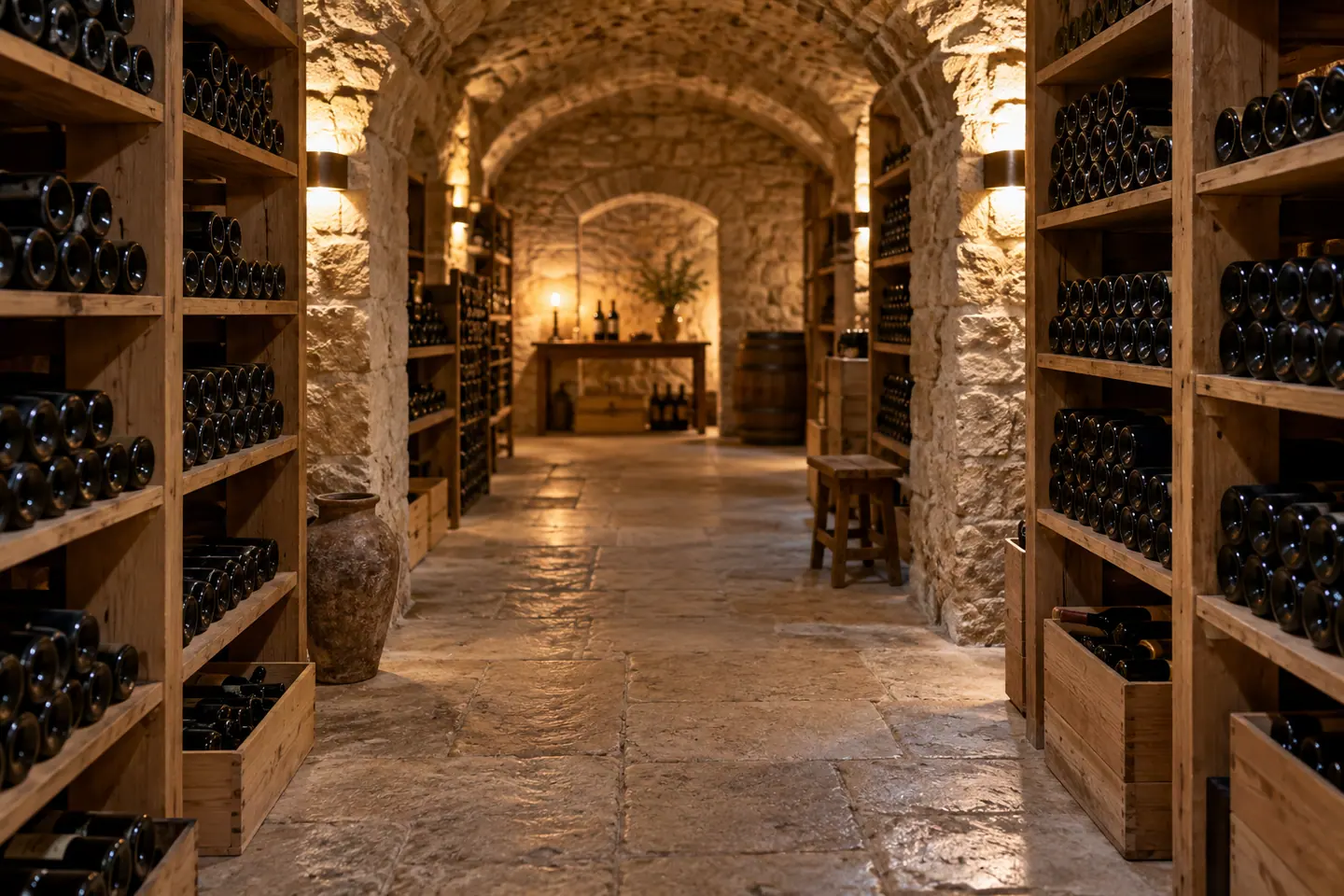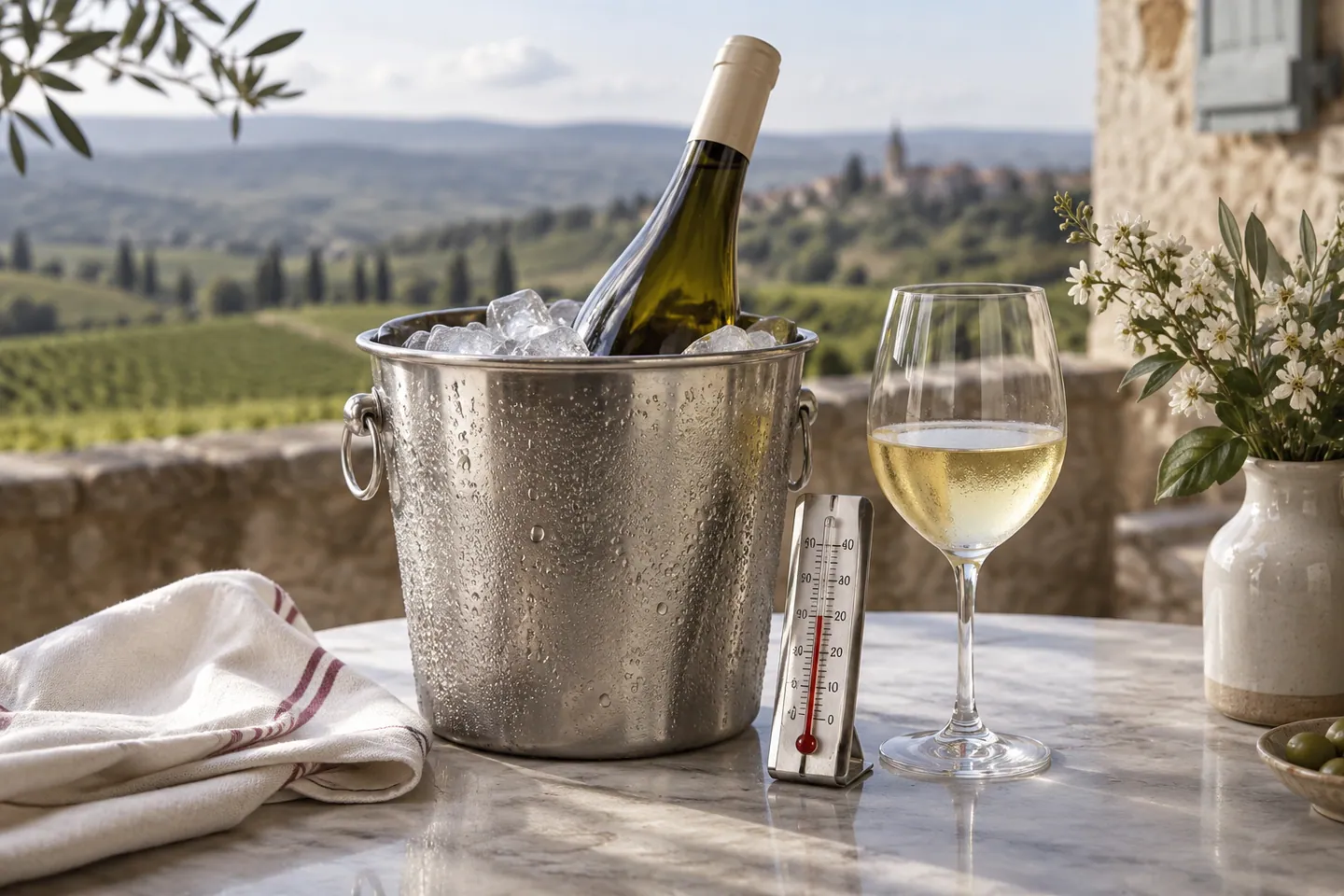
AI-generated photographic illustration for « The right serving temperature ». Fictional scene; does not depict a real establishment or identify a grape variety.
Learn · 1 min read

The right serving temperature

A few degrees can change a wine’s balance. These simple pointers are easy to adapt.

Learn

The right serving temperature

A few degrees can change a wine’s balance. These simple pointers are easy to adapt.

01

Serve sparkling wines and crisp whites cool, but not icy: excessive cold hides aromas.

02

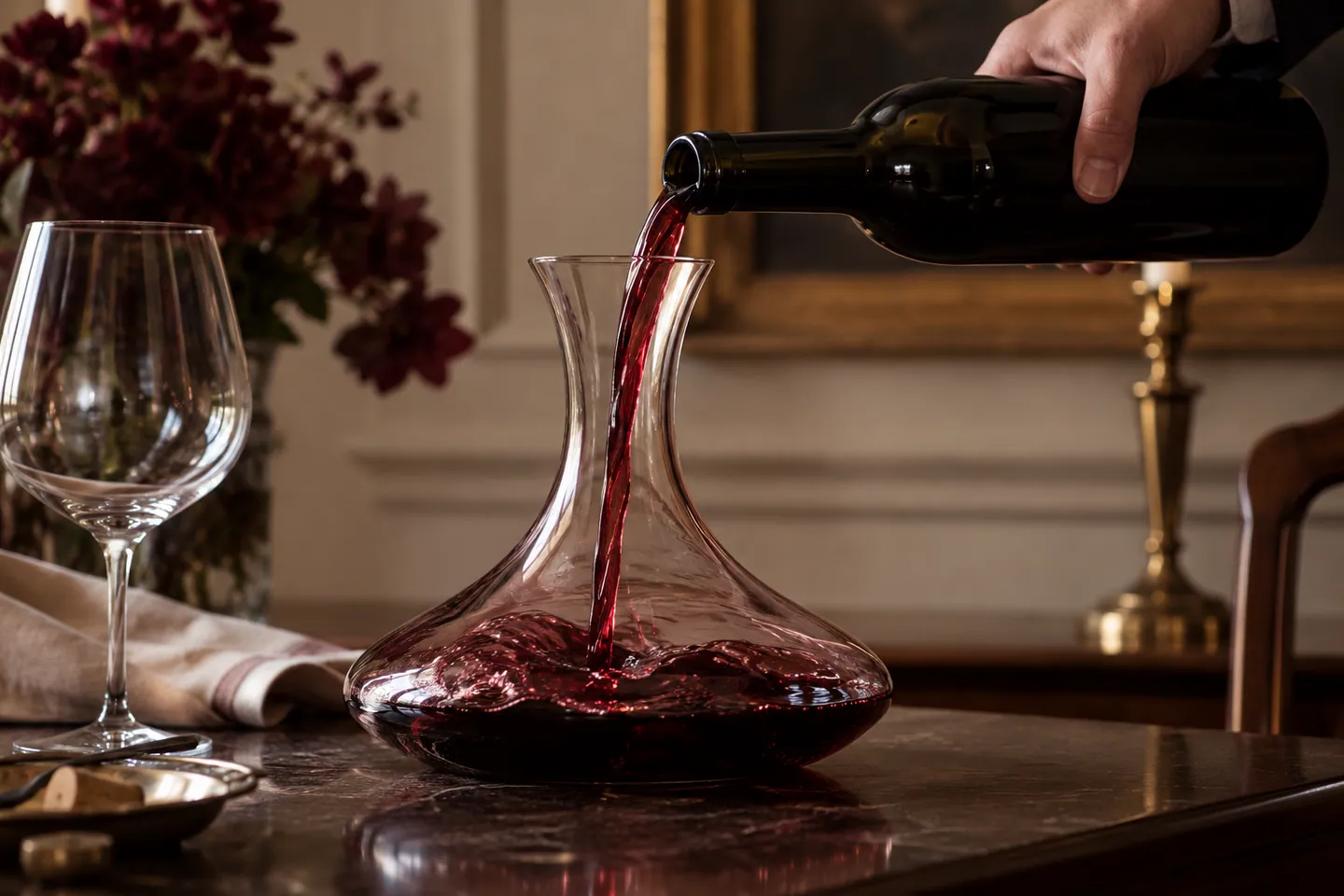
Light reds often benefit from a slight chill. Fuller reds show better below the temperature of an overheated room.

03

Taste, then let the wine change in the glass: the ideal temperature also depends on your preference.

04

Use temperature as an adjustment, not a verdict: too cold can mute a wine, too warm can emphasise alcohol. Let the glass change for a few minutes and compare.
Serving temperatures: starting points

Practical references
TermReference
Full white, for example oaked Chardonnay10–13 °C
Full-bodied red15–18 °C
Long-term storage of a sealed bottle10–15 °C

Adapt these references to the wine. It warms in the glass; taste before adjusting temperature.

WSET — Wine service and storage ↗

Frequently asked questions

What if a red is too warm?

Cool the bottle gradually and taste again. A thermometer helps; fridge time depends on volume, starting temperature and appliance.

About the images

Illustrative images are AI-generated for FRANCE VINS. Landscapes evoke wine regions; grape images illustrate grapes without identifying a variety.