How to store wine
Light, heat and time: useful habits for looking after your bottles.
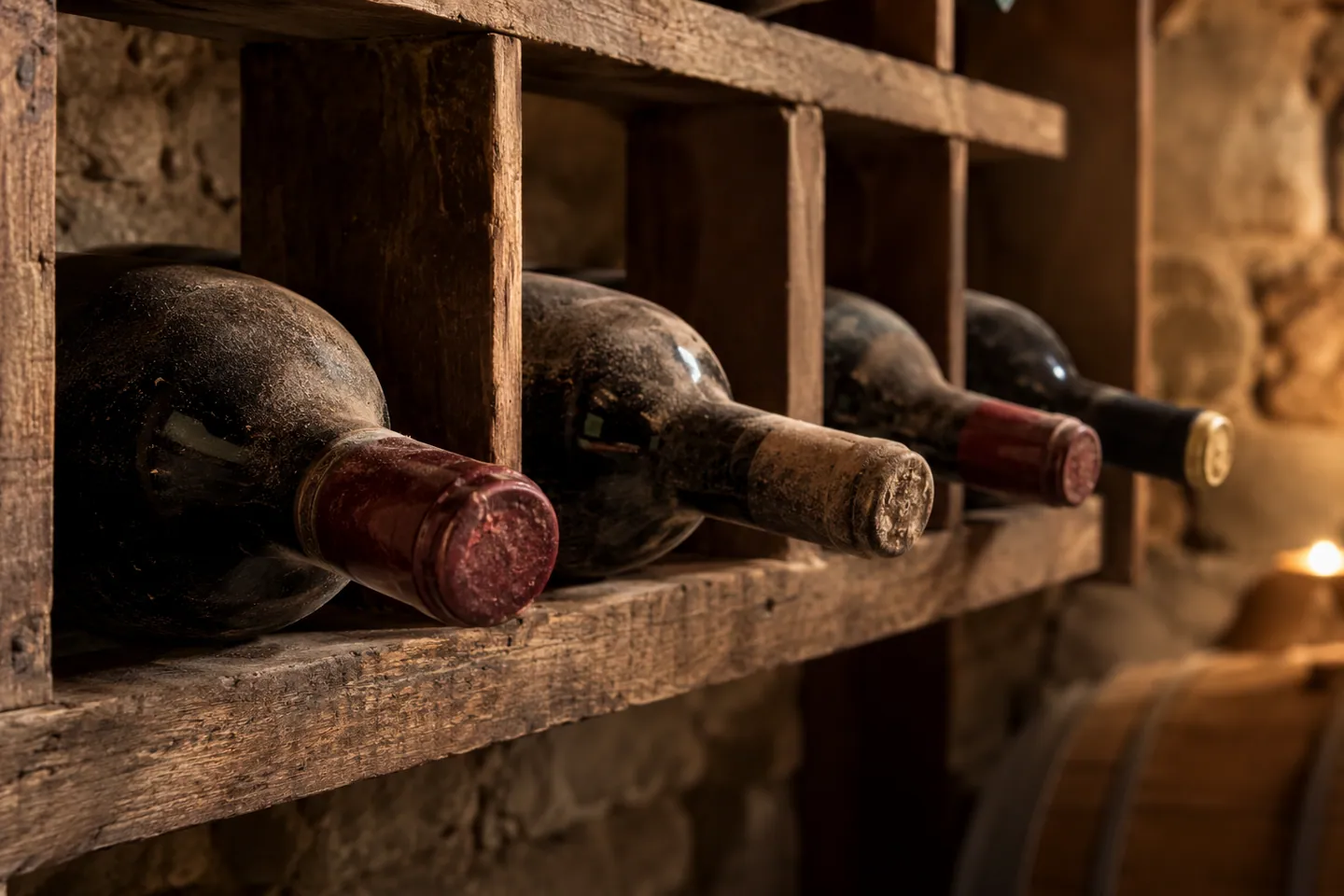
Keep bottles in a dark place with a temperature as stable as possible.
Avoid heat sources, direct sunlight and prolonged vibration.
Not every wine improves with age. Enjoy simple wines young and check the ageing potential of special bottles.
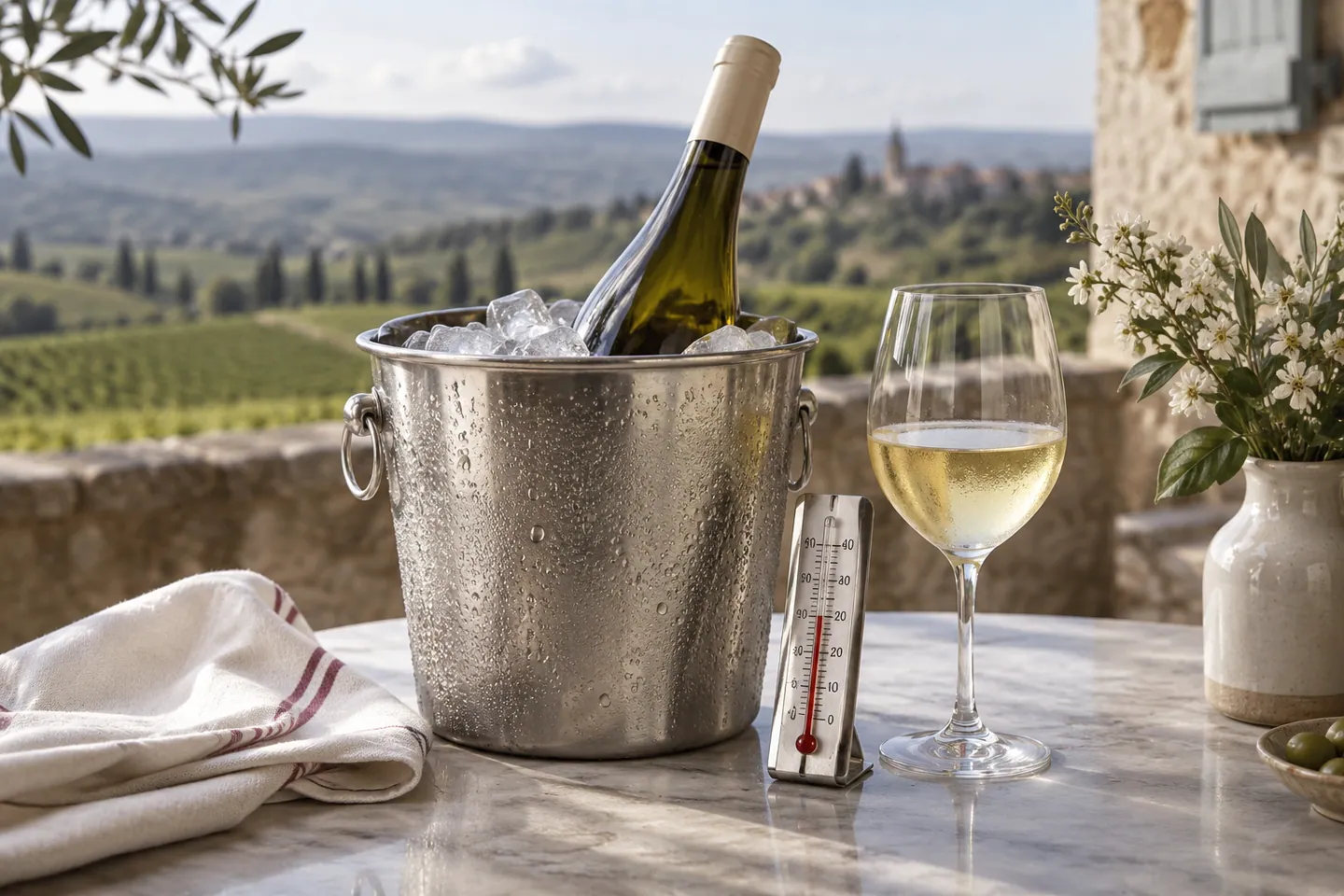
For bottles to drink soon, choose a dark place without major temperature swings. Ageing potential varies; a high price or famous appellation does not guarantee improvement.
WSET: Wine service and storage ↗
Put the guide into practice
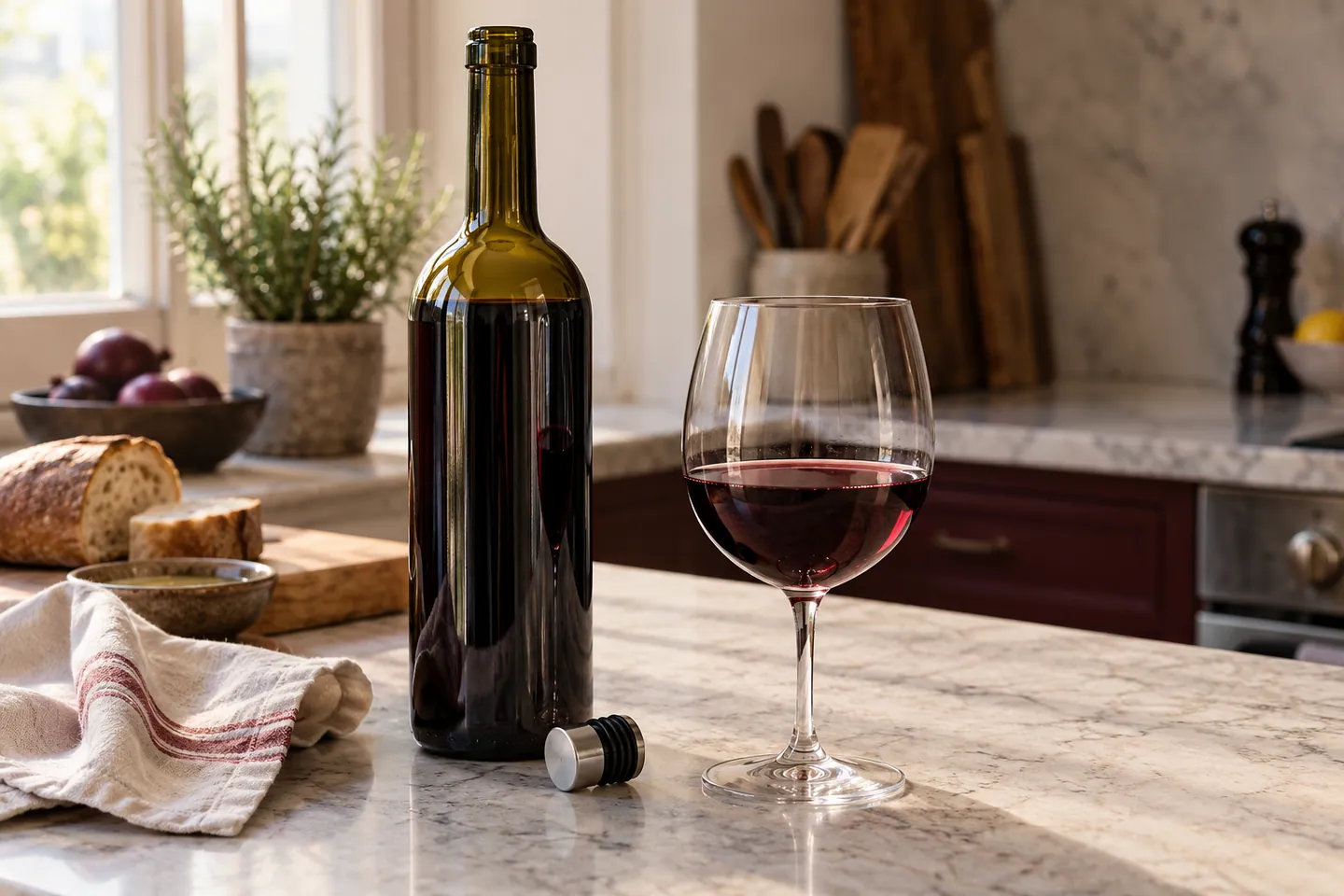
Separate bottles for the next meal from bottles you intend to keep. Before buying storage equipment, assess heat, light and temperature changes where you actually live. An attractive kitchen display is not necessarily a suitable storage place.
An exercise for comparison
Make a simple inventory with producer, vintage, quantity, location and purchase date. Record the producer’s drinking guidance where available, without turning it into a promised expiry date. Check condition when opening rather than assuming age means improvement.