From grapes to wine: fermentation, maceration and maturation
Understand winery choices to read a technical sheet.
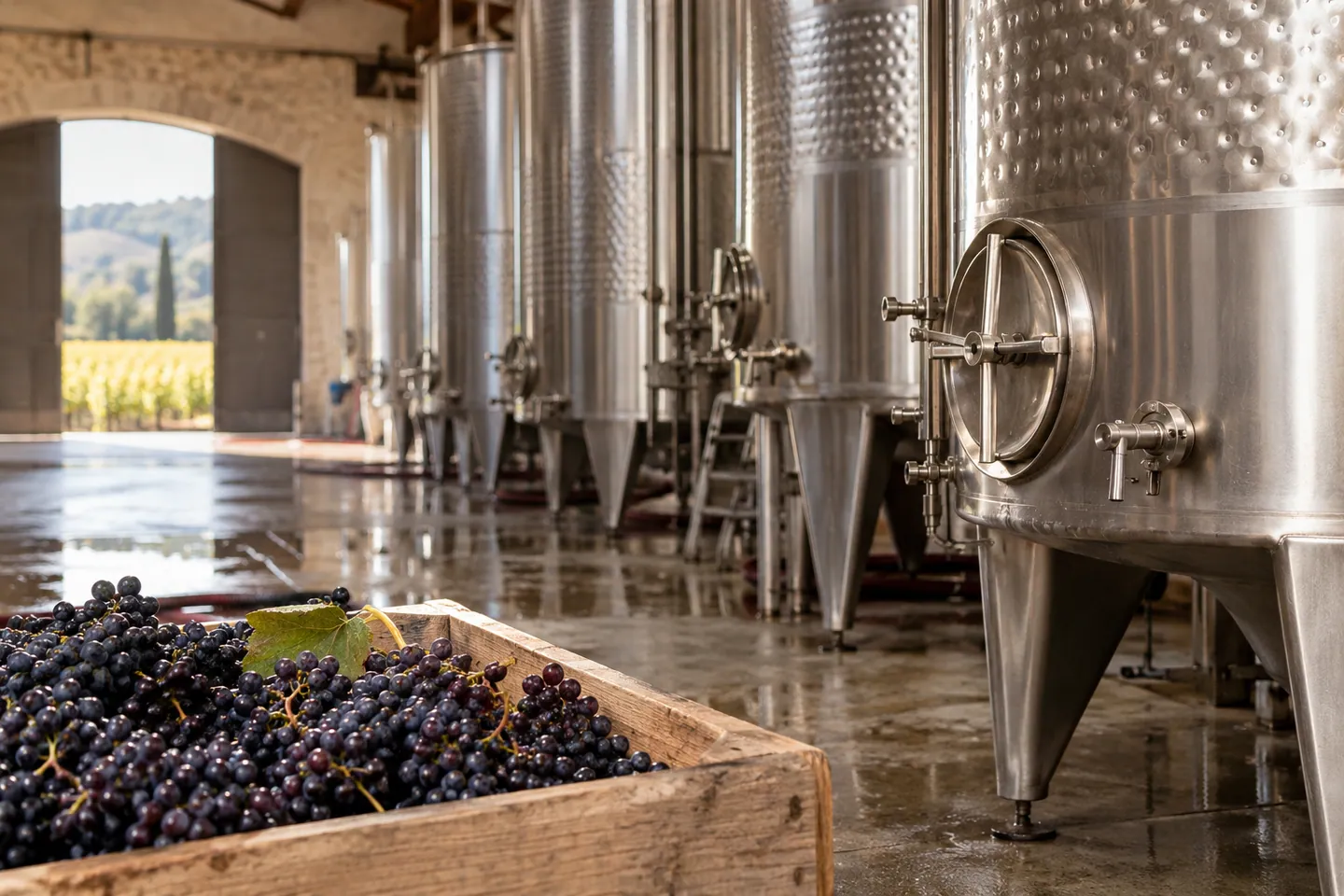
Yeasts turn juice sugar into alcohol and carbon dioxide during alcoholic fermentation. Remaining sugar contributes sweetness. Harvest, sorting and pressing prepare the raw material but do not alone determine final style.
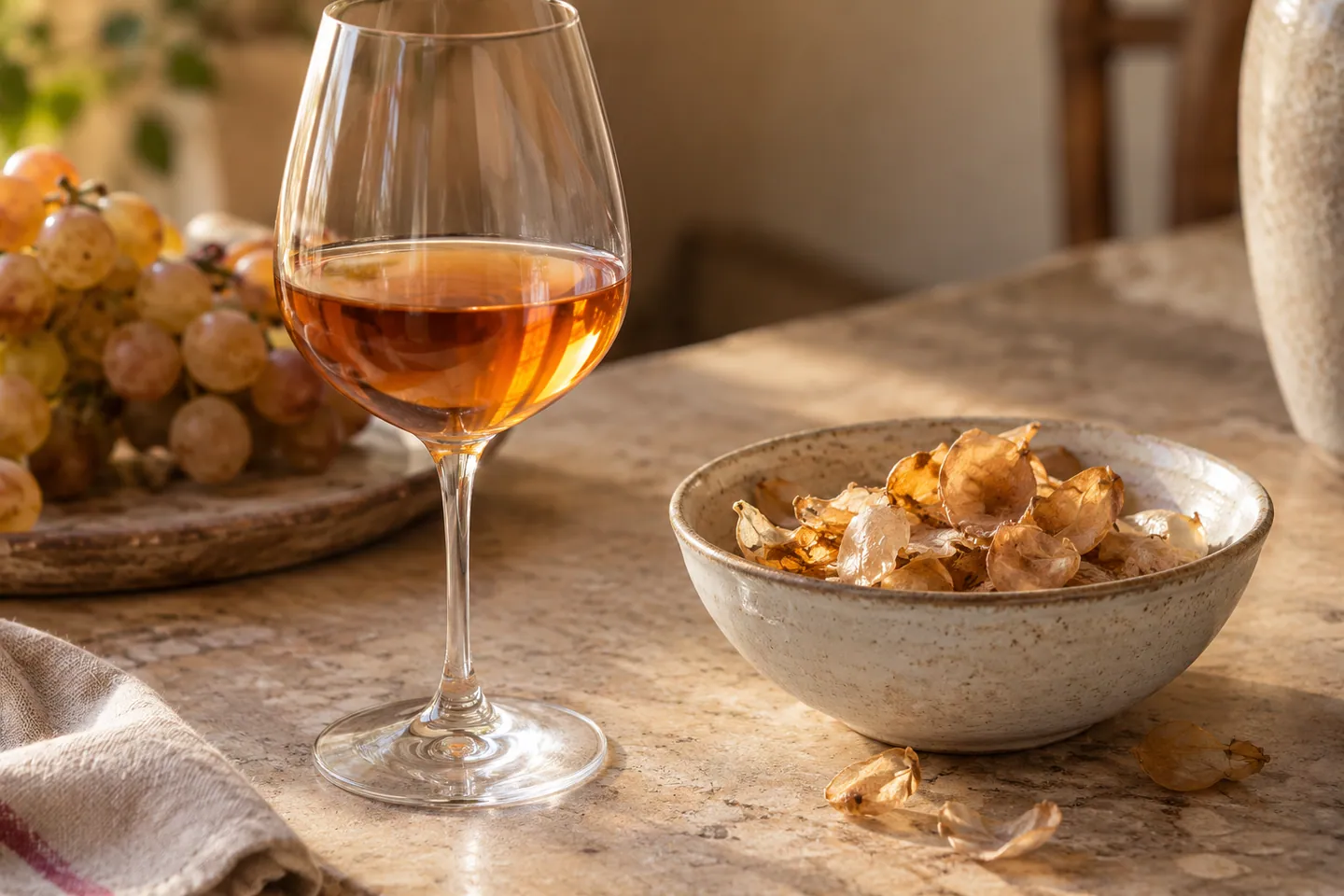
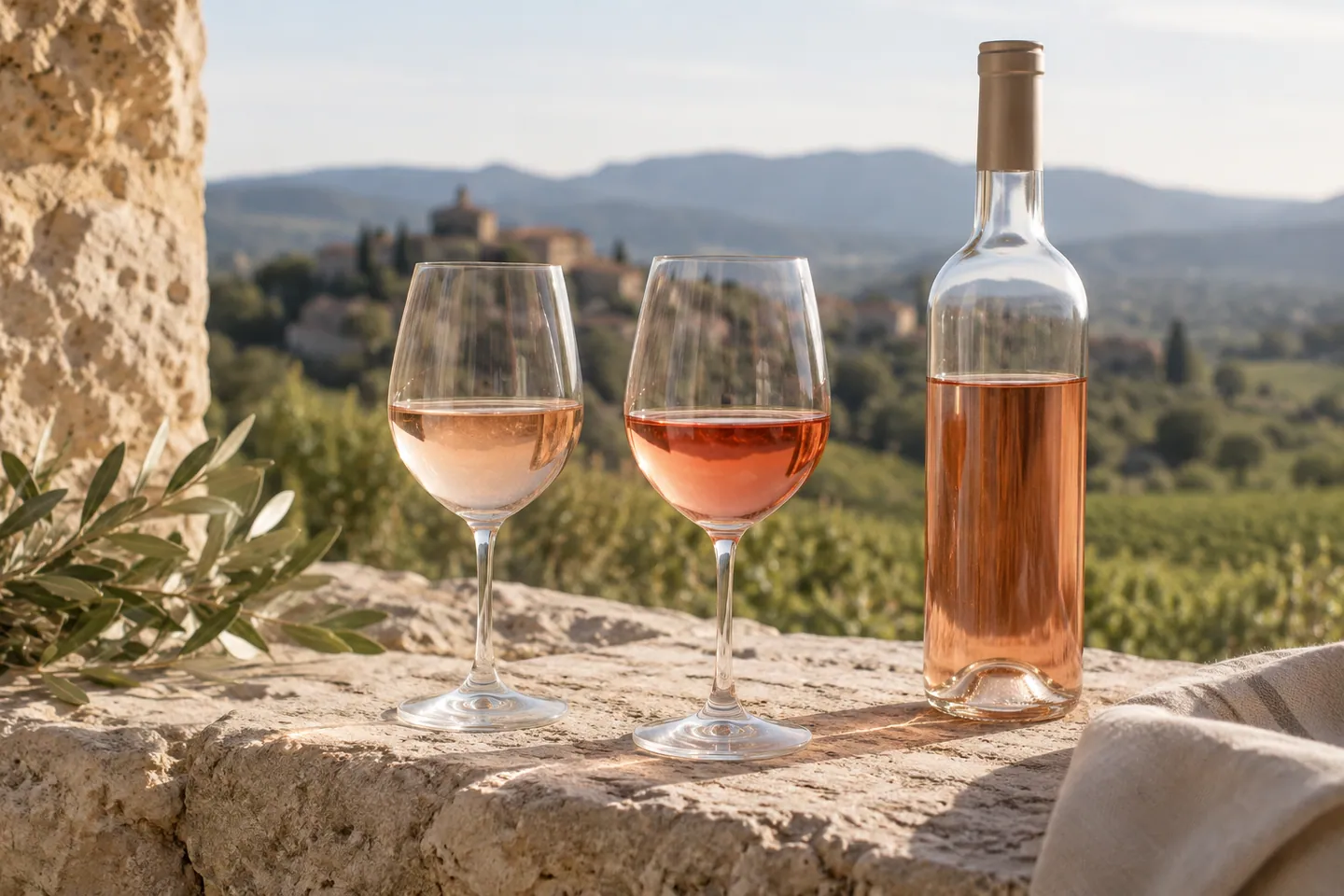
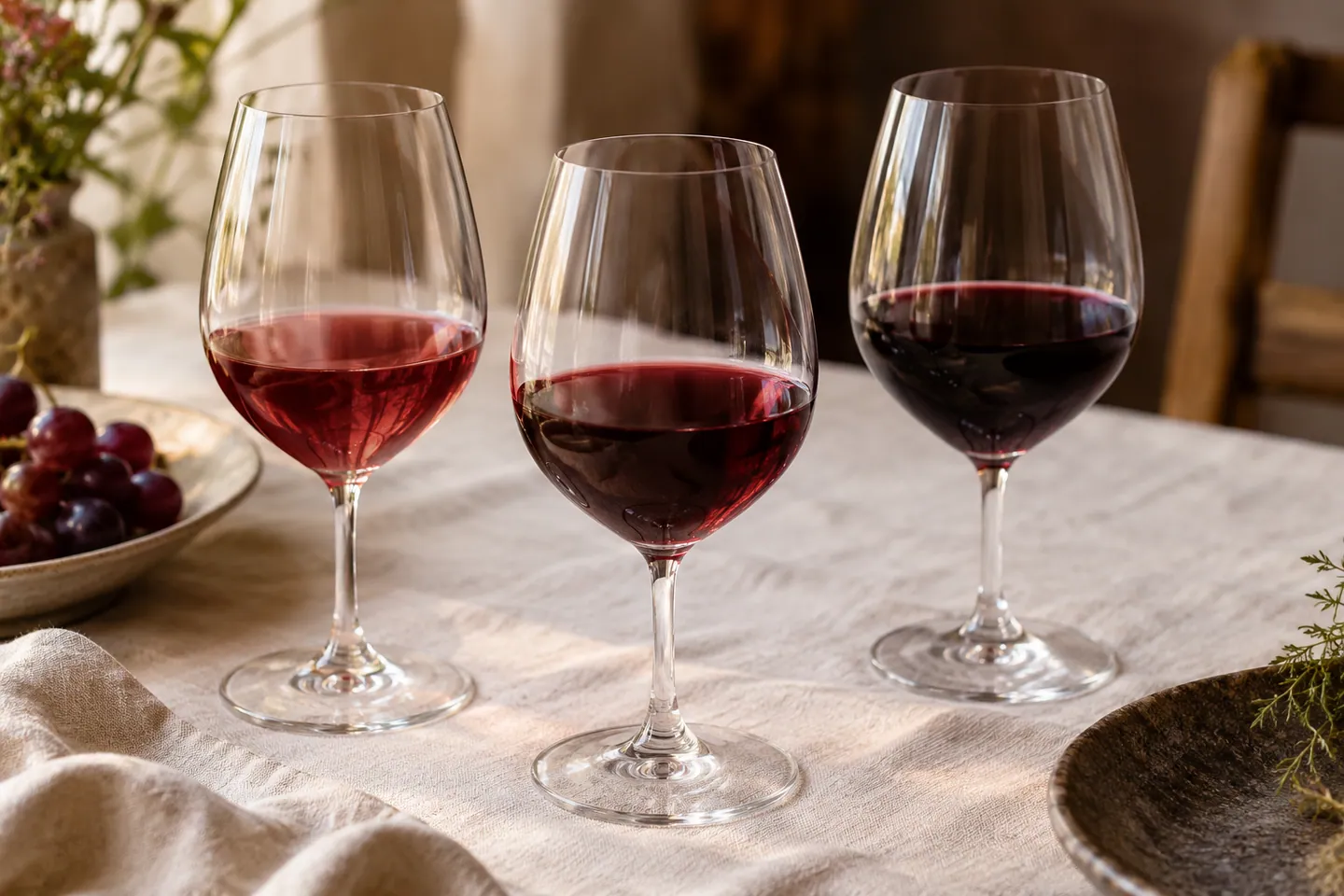
Classic red fermentation includes skins, extracting colour and tannins. Many whites are pressed before fermentation. Short skin contact can make rosé; prolonged white-grape contact makes skin-contact whites.
Bacteria convert malic acid into lactic acid during malolactic conversion, softening acidity. This differs from alcoholic fermentation. Some producers encourage it; others limit it to retain freshness.
Maturation can use tanks, wood or other vessels. Barrel size, age and toast affect oak impact; lees can change texture. Blends may combine grapes, sites or batches. Record these choices, not just months.