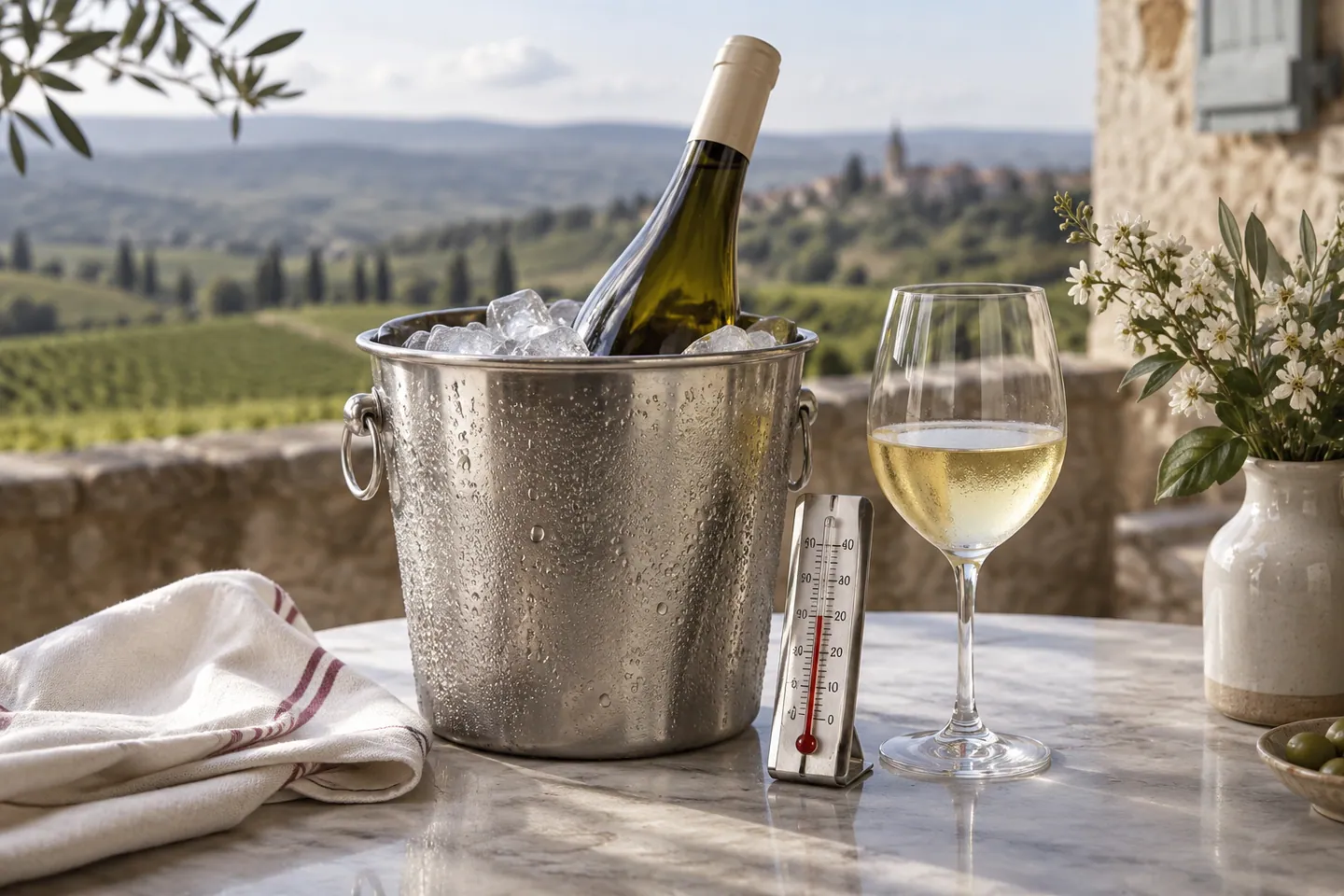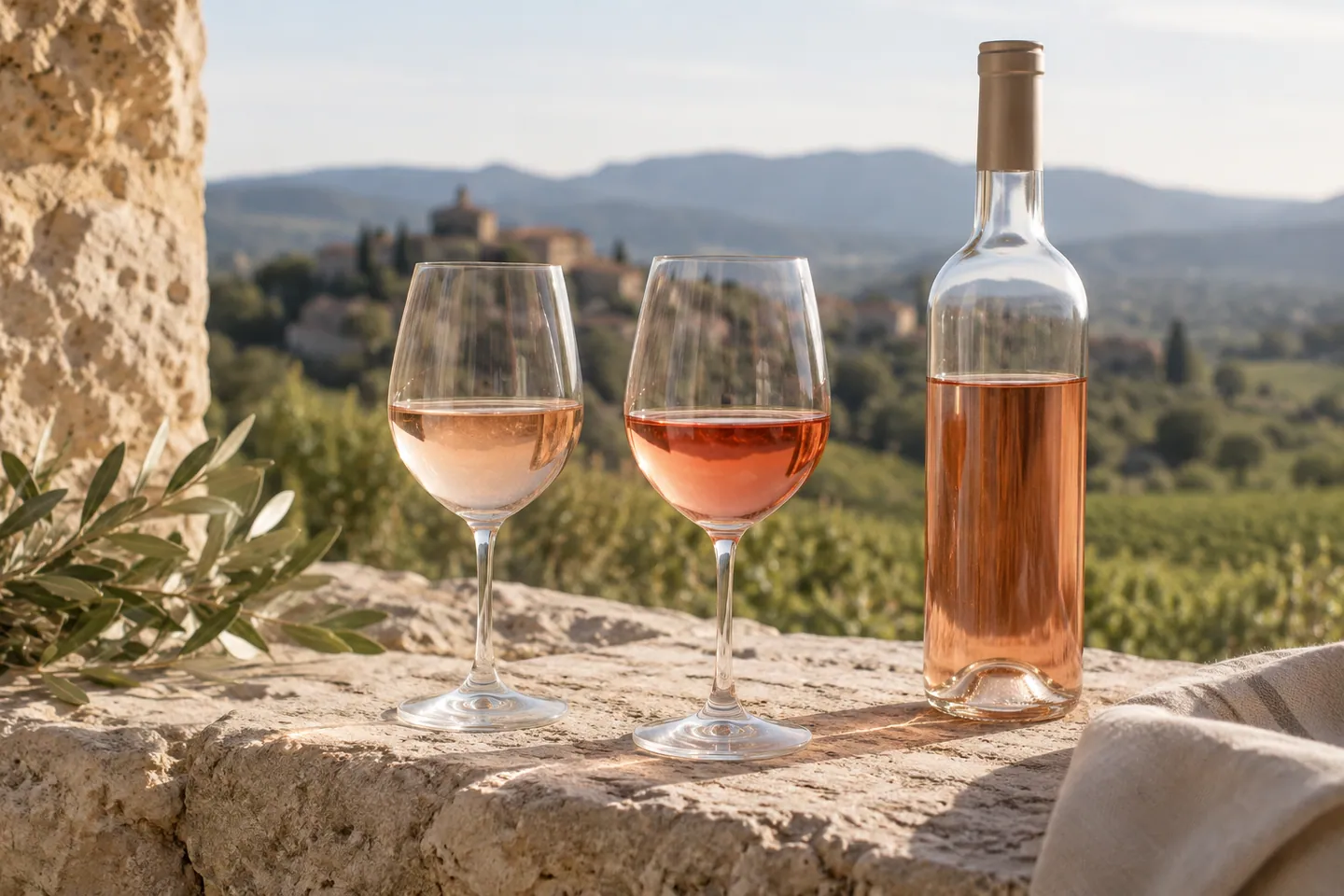
AI-generated photographic illustration for « Understanding rosé wine ». Fictional scene; does not depict a real establishment or identify a grape variety.
Learn · 1 min read

Understanding rosé wine

Colour, method and sweetness: three clues to exploring rosé styles.

Learn

Understanding rosé wine

Colour, method and sweetness: three clues to exploring rosé styles.

01

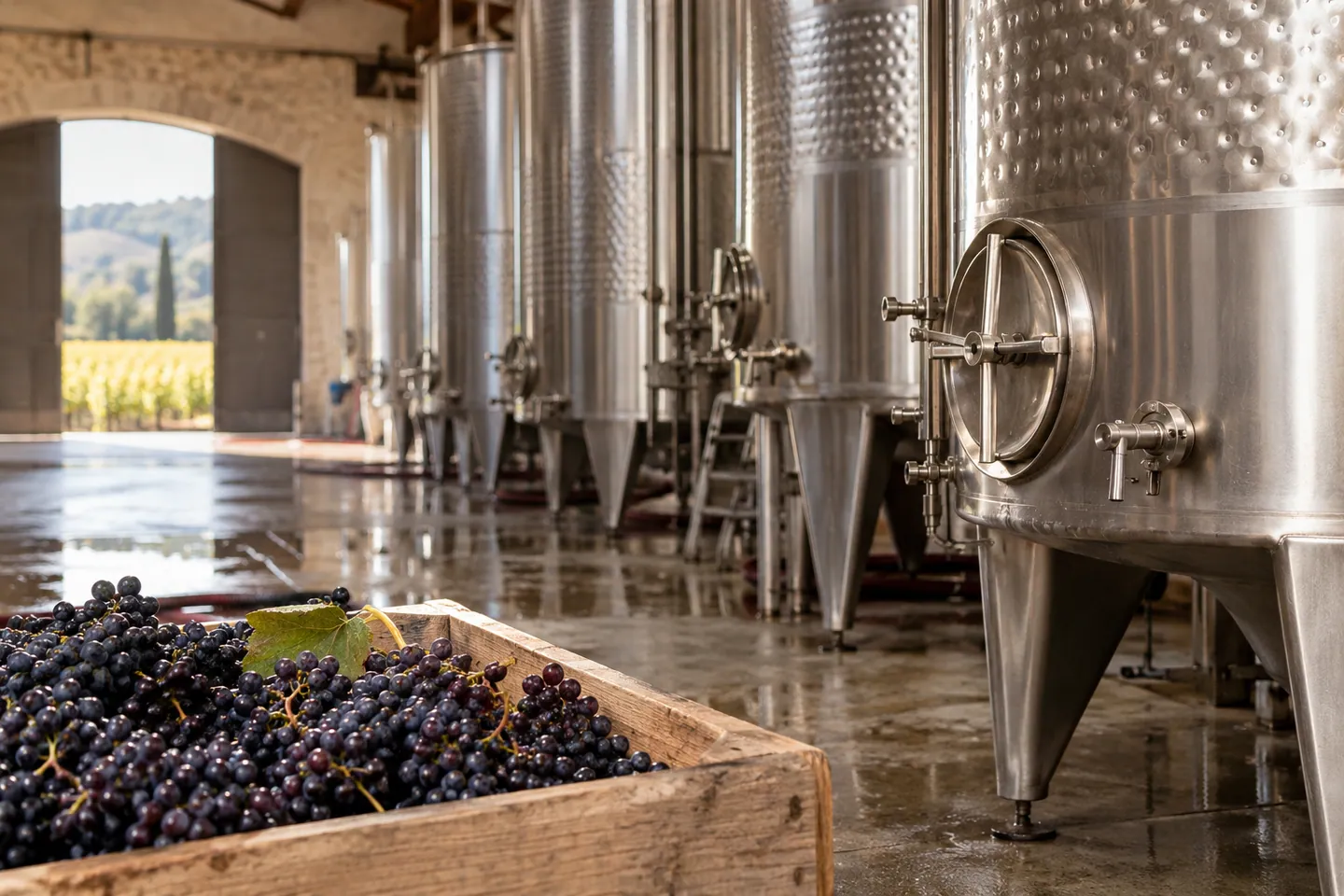
Rosé is generally made from dark grapes whose juice spends limited time with the skins; exact methods vary.

02

Pale colour guarantees neither dryness nor light body. Read the producer’s description and taste to understand the style.

03

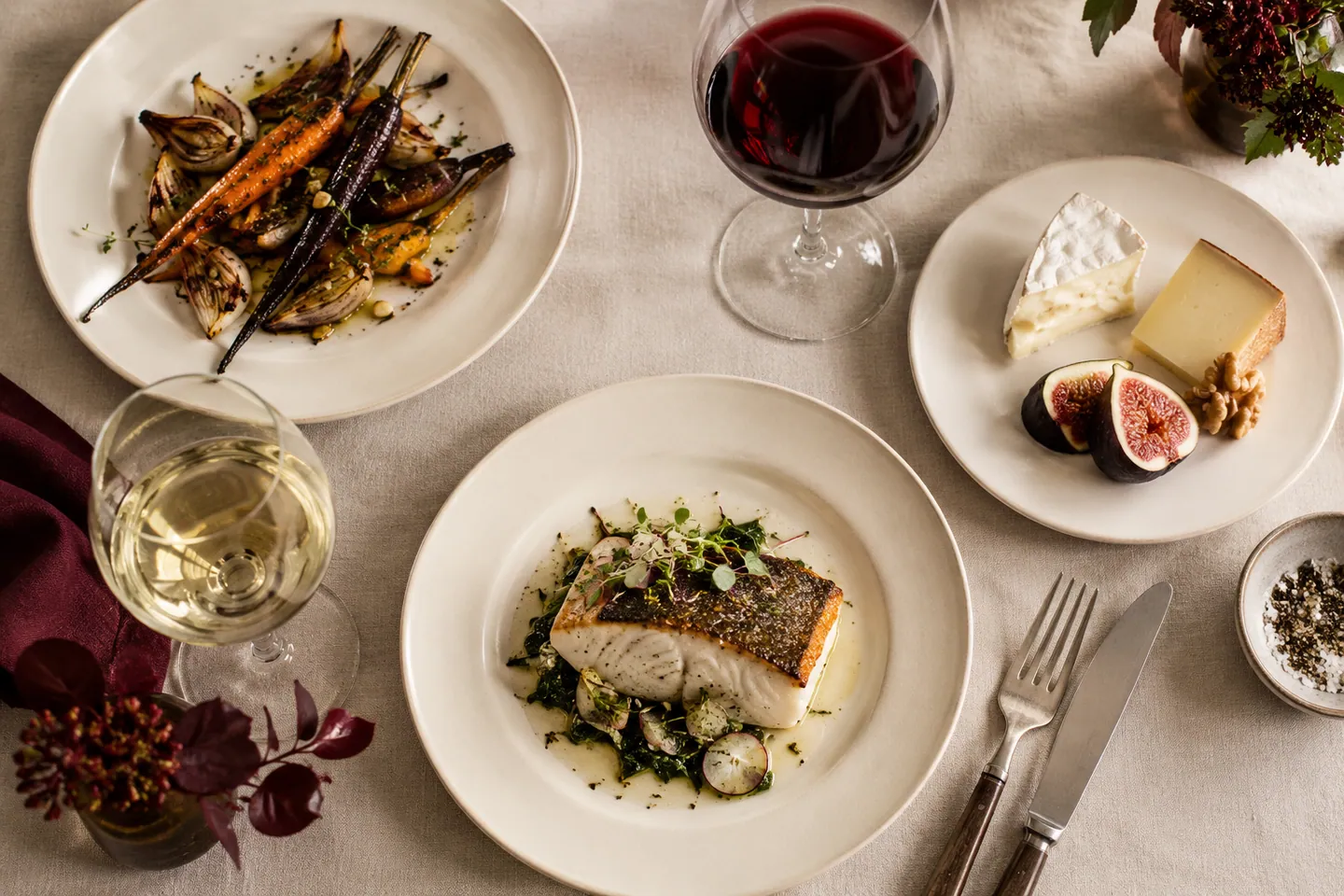
Serve it cool rather than icy and match food to its texture and acidity, just as you would with white or red wine.

04

Compare a pale and a deeper rosé without assuming the latter is sweeter or better. Colour depends partly on grape and skin contact; taste acidity, body and finish instead.
Frequently asked questions

Is pale rosé always dry?

No. Colour depends on grapes and maceration; sugar on production. Look for sweetness or residual sugar on the technical sheet.

About the images

Illustrative images are AI-generated for FRANCE VINS. Landscapes evoke wine regions; grape images illustrate grapes without identifying a variety.