Regions

Italy

AI-generated illustration

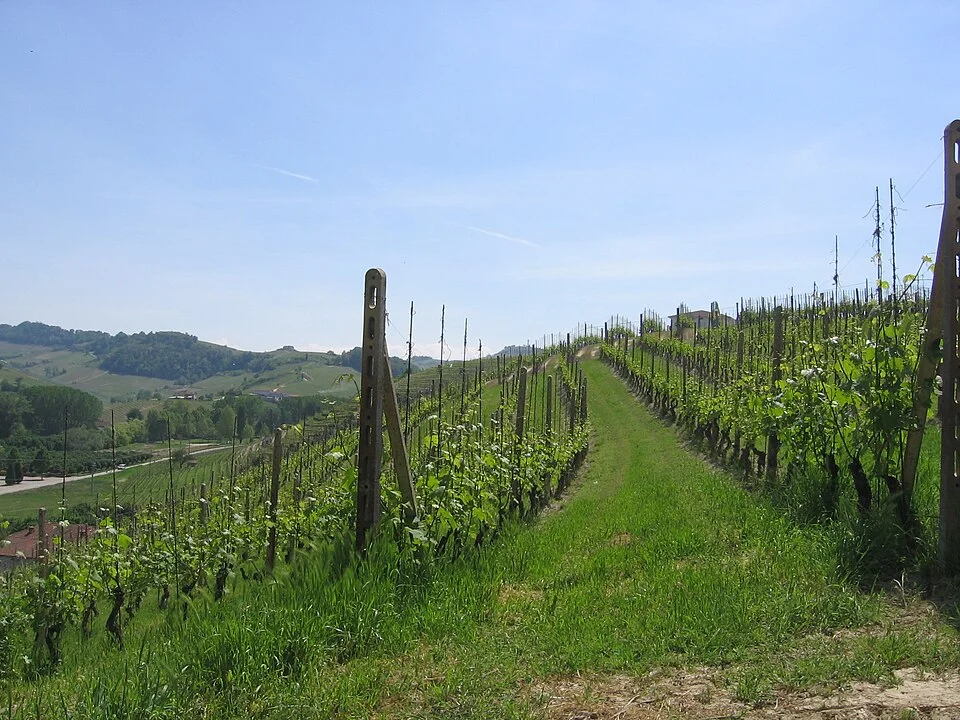
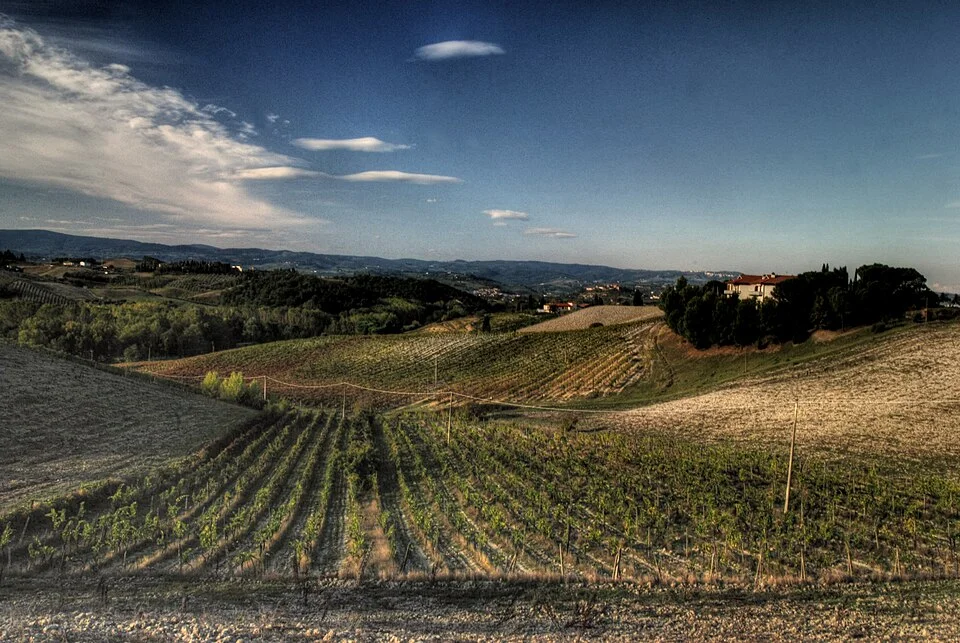
Italy is best explored through regions and local grapes. Piedmont Nebbiolo and Tuscan Sangiovese offer a comparison of tannins and freshness. These two regions do not represent the whole country; origins and styles vary widely.

Italy is best explored through regions and local grapes. Piedmont Nebbiolo and Tuscan Sangiovese offer a comparison of tannins and freshness. These two regions do not represent the whole country; origins and styles vary widely.

Names and label clues

DOC and DOCG identify regulated denominations; IGT a geographical origin. Riserva and Superiore depend on each denomination’s rules, not universal ageing periods.

Specific places behind the country name

DOC / DOCG / IGT

DOC and DOCG are Italian traditional terms within the European PDO category; IGT corresponds to PGI. These words describe origin and production frameworks. They cannot, on their own, tell you whether a wine is sweet, oaky, light or suited to your meal.

Barolo / Barbaresco

These two Piedmont DOCGs use 100% Nebbiolo. Moving from Barolo to Barbaresco therefore does not mean changing grape variety. Compare the delimited areas, sites, ageing and vintage; an additional geographical mention can identify the place more closely.

Explore the guide : Piemonte ↗ · Toscana ↗

Sources for these landmarks : MASAF · Vini DOP e IGP ↗ · Consorzio · Barolo ↗ · Consorzio · Barbaresco ↗

These examples broaden the route; they do not rank the regions.
Regions

Compare the essentials
RegionsKey grapesSignature
Tuscany ↗Sangiovese ↗Cherry, herbs and lively acidity make these wines especially comfortable at the table.
Consorzio Vino Toscana ↗
Piedmont ↗Nebbiolo ↗Barolo and Barbaresco combine delicate perfume, firm tannin and slow evolution.
Regione Piemonte ↗

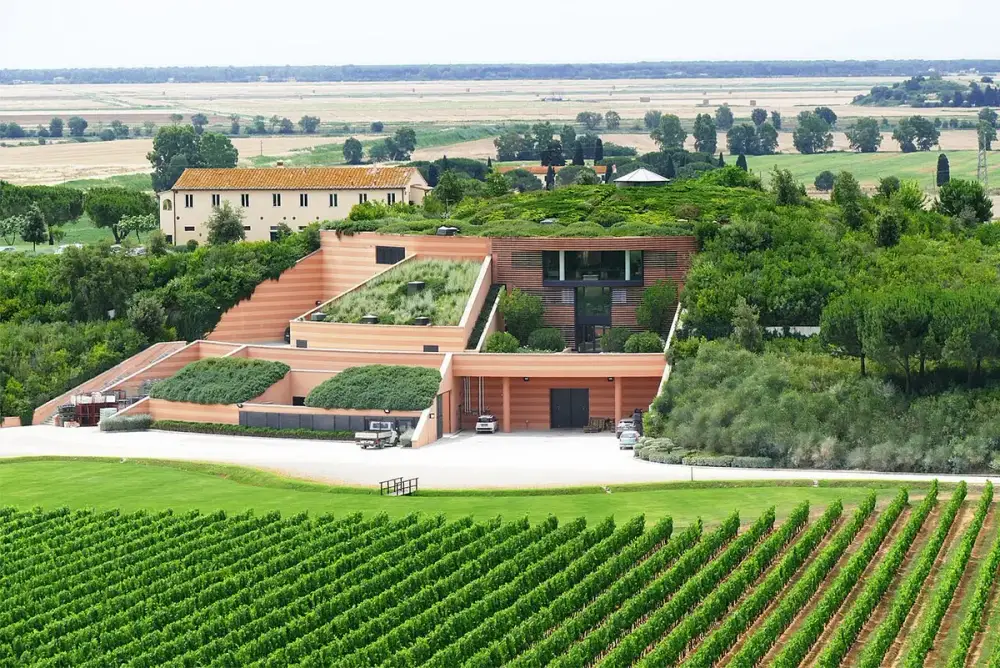
Estates & wineries

About the images

Illustrative images are AI-generated for FRANCE VINS. Landscapes evoke wine regions; grape images illustrate grapes without identifying a variety.

OIV · 2025

Compare wine production volumes in 2025

The 13 countries in this guide, in million hectolitres (mhl). This selection is neither a complete world ranking nor a measure of quality. The OIV estimates world wine production at 227 mhl in 2025, up 0.6% from 2024. The 2025 figures are preliminary and exclude juices and musts.

2025 production · Mhl
Country2025 productionChange / 2024
Italy44.4 Mhl+0.7 %
France36.1 Mhl-0.1 %
Spain28.7 Mhl-7.7 %
United States20.0 Mhl-5.3 %
Australia11.3 Mhl+8.8 %
Argentina10.8 Mhl-0.9 %
South Africa10.2 Mhl+16.2 %
Chile8.4 Mhl-9.9 %
Germany7.6 Mhl-2.6 %
Portugal6.0 Mhl-14.0 %
New Zealand3.7 Mhl+31.5 %
Austria2.5 Mhl+17.5 %
Greece1.6 Mhl+16.8 %

OIV · State of the World Wine Sector in 2025 · p. 13, table 2. Preliminary data, May 2026. Wine only, excluding juices and musts. Published changes use unrounded figures. 1 mhl = 100 million litres.

FRANCE VINS · ATLAS

Wine landmark map · Italy

Choose a country, filter by grape and select a region on the map.

Select a landmark to display its profile. Use the buttons to zoom and pan.

2 regions

Piedmont

Alba · Italy

Nebbiolo, Langhe hills and fragrant reds with impressive longevity. Barolo and Barbaresco combine delicate perfume, firm tannin and slow evolution.

Explore the region →

Associated grapes

Landmark source · Alba

Regions to explore

Points locate urban or island landmarks, not appellation boundaries. The map covers the profiles published on this website.

Geographical basemap : Natural Earth · Public domain.

Region and grape list
Reading the label

Prosecco DOC: extra-dry is sweeter than brut

For Prosecco DOC spumante, the Consorzio distinguishes brut (below 12 g/L), extra-dry (12–17 g/L) and dry (17–32 g/L), among other terms. Dry therefore does not mean the same as dry still wine. Also check whether the wine is spumante, frizzante or tranquillo before applying a scale: these numbers concern spumante.

References : Consorzio Prosecco DOC

Use the sweetness decoder → · Understanding wine sweetness →