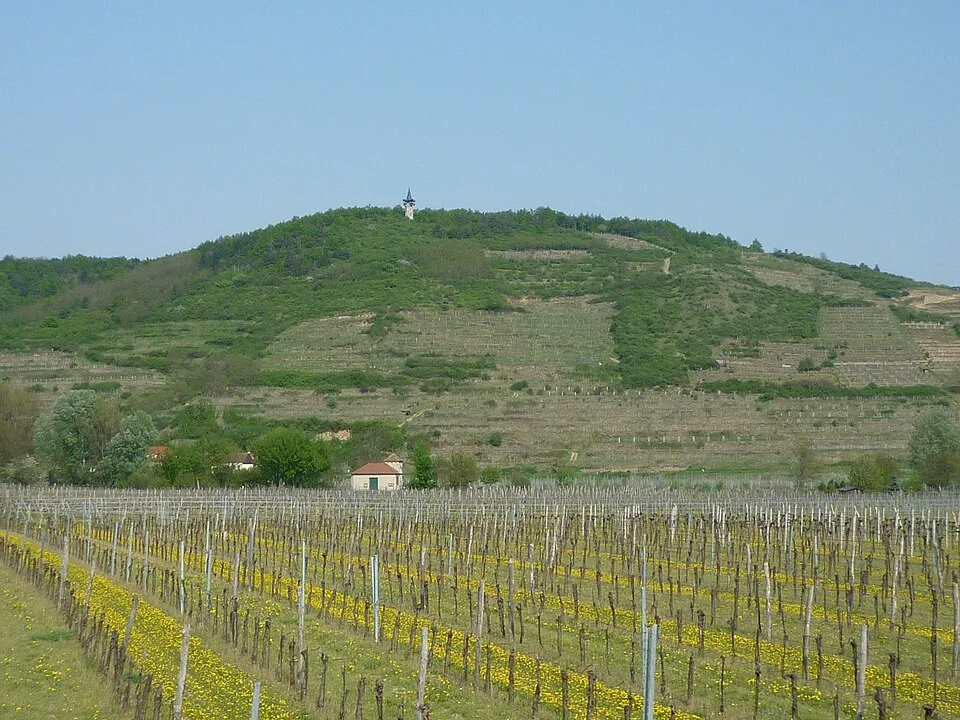
Kamptal · Documentary photograph
Austria

Kamptal

Another entry point into Austrian white wines.

© Juemumue · Source · CC0 · Resized and converted to WebP without retouching.

Signature

Kamptal

Grüner Veltliner and Riesling let you follow a grape between regions.

Terroirs, appellations and label clues

Gebietswein identifies the Kamptal region. Ortswein indicates a defined village wine area, and Riedenwein names a delimited vineyard such as Heiligenstein. The regulation lists five base varieties for single-variety wines or blends: Grüner Veltliner, Riesling, Chardonnay, Pinot Blanc (Weißburgunder) and Pinot Gris (Grauburgunder). Since the 2025 harvest, the grapes require organic or Nachhaltig Austria certification, subject to the exemptions in section 3. Official Austrian regulation for Kamptal DAC.

To get started

Compare Kamptal and Wachau from the same grape and vintage. Record differences without automatically attributing them to soil alone.

Key grapes

Grüner Veltliner: An important white grape in Austrian vineyards. Choose a Wachau and a Kamptal wine at a similar budget. Keep temperature constant and observe fullness, freshness and finish.

Riesling: Citrus, precision and vivid acidity. Do not infer sweetness from the grape name alone: check the style and taste the balance between any sugar and acidity.

Compare regions

Compare regions in the same country too: the same grape can produce different wines as climate, site and producer choices change.

Style descriptions are guides, not rules: vintage, vineyard, blending and maturation change the result.

Two routes to understand styles

First route

Kamptal Grüner Veltliner

Second route

Kamptal Riesling

Begin with grape variety, then compare village and Ried within one grape. Heiligenstein is not a grape or sweetness category.
Practical guides → · Comparison tools →

Frequently asked questions

Which grapes can I explore in this region?
How can I start a comparison?

Compare Kamptal and Wachau from the same grape and vintage. Record differences without automatically attributing them to soil alone.

About the images

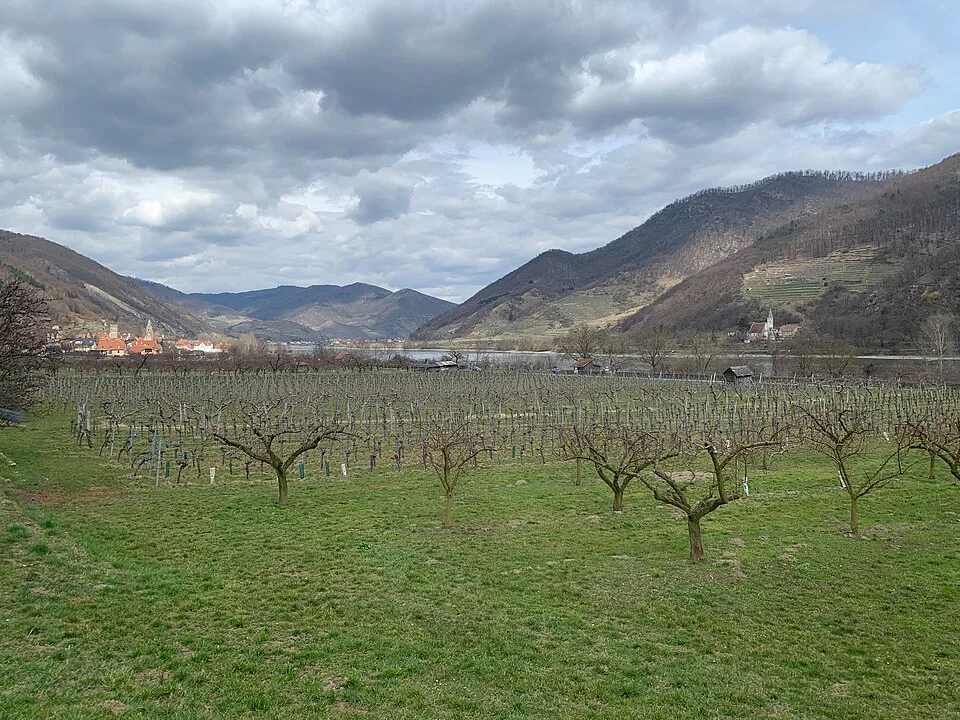
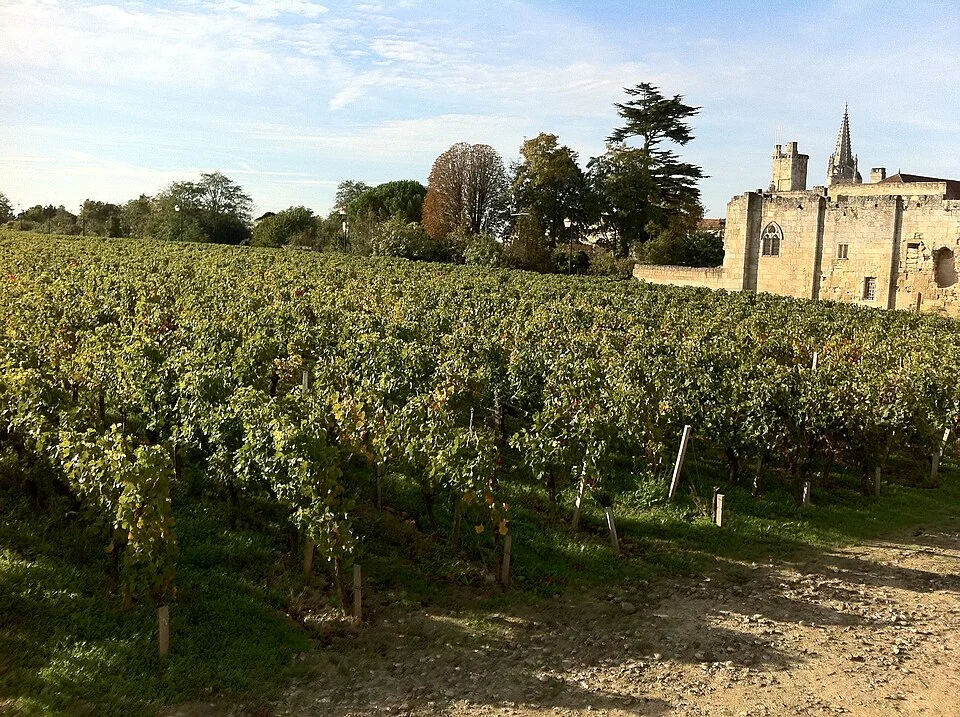
Illustrative images are AI-generated for FRANCE VINS. Landscapes evoke wine regions; grape images illustrate grapes without identifying a variety.

Pinpointing places and styles

Kamp / Langenlois / Zöbing

Kamptal takes its name from the Kamp, which joins the Danube east of Krems. Langenlois and Zöbing are village references; Heiligenstein names a vineyard site. These levels are not three grape varieties or three sweetness grades.

Heiligenstein / Löss

Heiligenstein has red, feldspar-rich sandstone and conglomerates with ancient volcanic material. Elsewhere, loess and loam terraces are important. This diversity helps locate vineyards without proving that a “stony” flavour comes directly from rock: grape variety, water and winemaking also matter.

Regional references : Weinkultur Kamptal · Winegrowing region ↗ · University of Vienna · Heiligenstein vineyard ↗

FRANCE VINS · ATLAS

Wine landmark map · Kamptal

Choose a country, filter by grape and select a region on the map.

Select a landmark to display its profile. Use the buttons to zoom and pan.

2 regions

Kamptal

Langenlois · Austria

Another entry point into Austrian white wines. Grüner Veltliner and Riesling let you follow a grape between regions.

Explore the region →

Associated grapes

Landmark source · Langenlois

Regions to explore

Points locate urban or island landmarks, not appellation boundaries. The map covers the profiles published on this website.

Geographical basemap : Natural Earth · Public domain.

Region and grape list