How to taste wine
Look, smell and taste without jargon: a simple way to find your bearings.
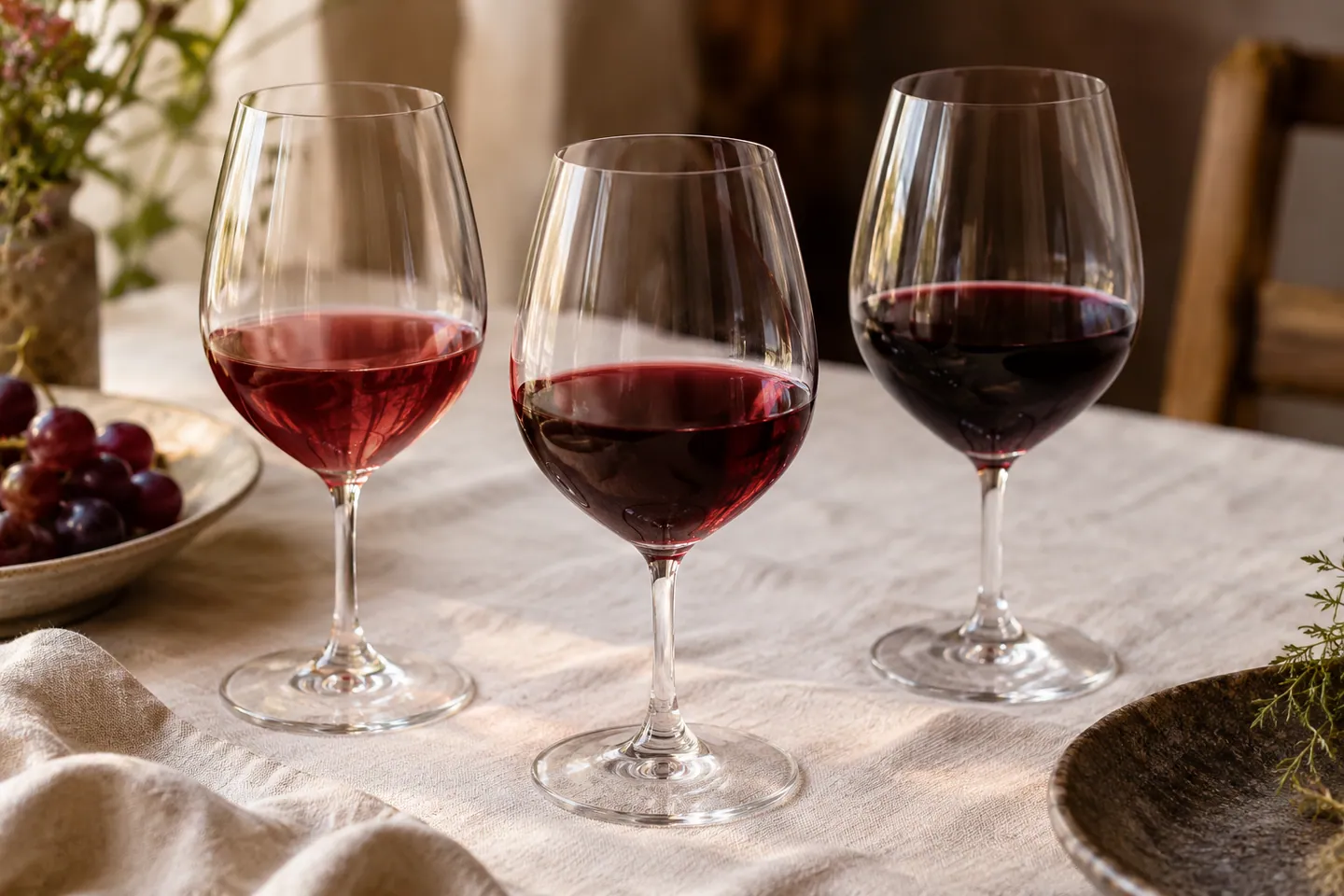
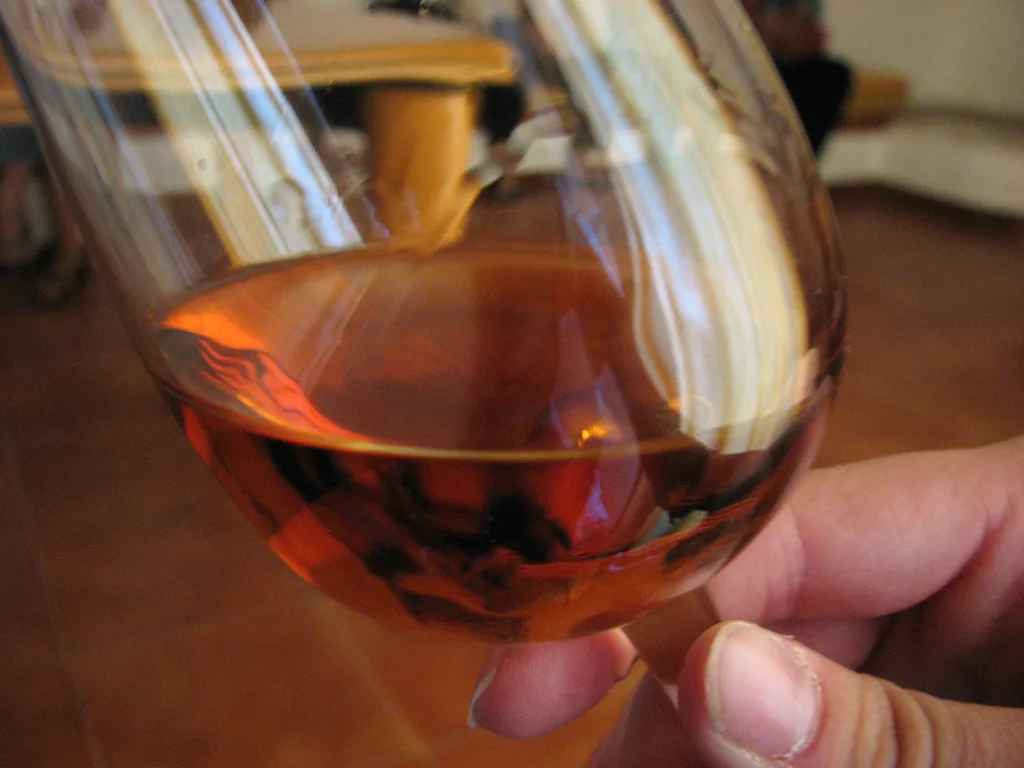
Notice colour and clarity without rushing to judge quality.
Smell before and after swirling the glass. Name the aroma families that come naturally to mind.
On the palate, notice acidity, tannin, body and finish. Your own enjoyment remains the best guide.
Return to the glass after a few minutes: air and temperature alter perception. Record simple observations before preferences; recognising every aroma is unnecessary.
Explore next
Put the guide into practice
Before deciding whether you like a wine, describe it in ordinary words. Separate mouth-watering freshness from the drying sensation of tannins, then note weight and finish. A short, clear description is more useful than a list of guessed aromas.
An exercise for comparison
For example, a fictional note might read: red fruit, light body, fresh finish; preferred with roast poultry. Record the bottle, vintage and service conditions. Use water and a spittoon when comparing; finishing every glass is unnecessary.