Choosing wine at a restaurant
Budget, dish, format and a conversation with the sommelier: a practical decision method.
Set a budget for the table. Check whether the price covers a glass, carafe or bottle; ask about volume when the format is unclear.
Describe a concrete preference: a lightly tannic red, an unoaked dry white, freshness or fuller texture. Name a bottle you enjoyed if vocabulary is difficult.
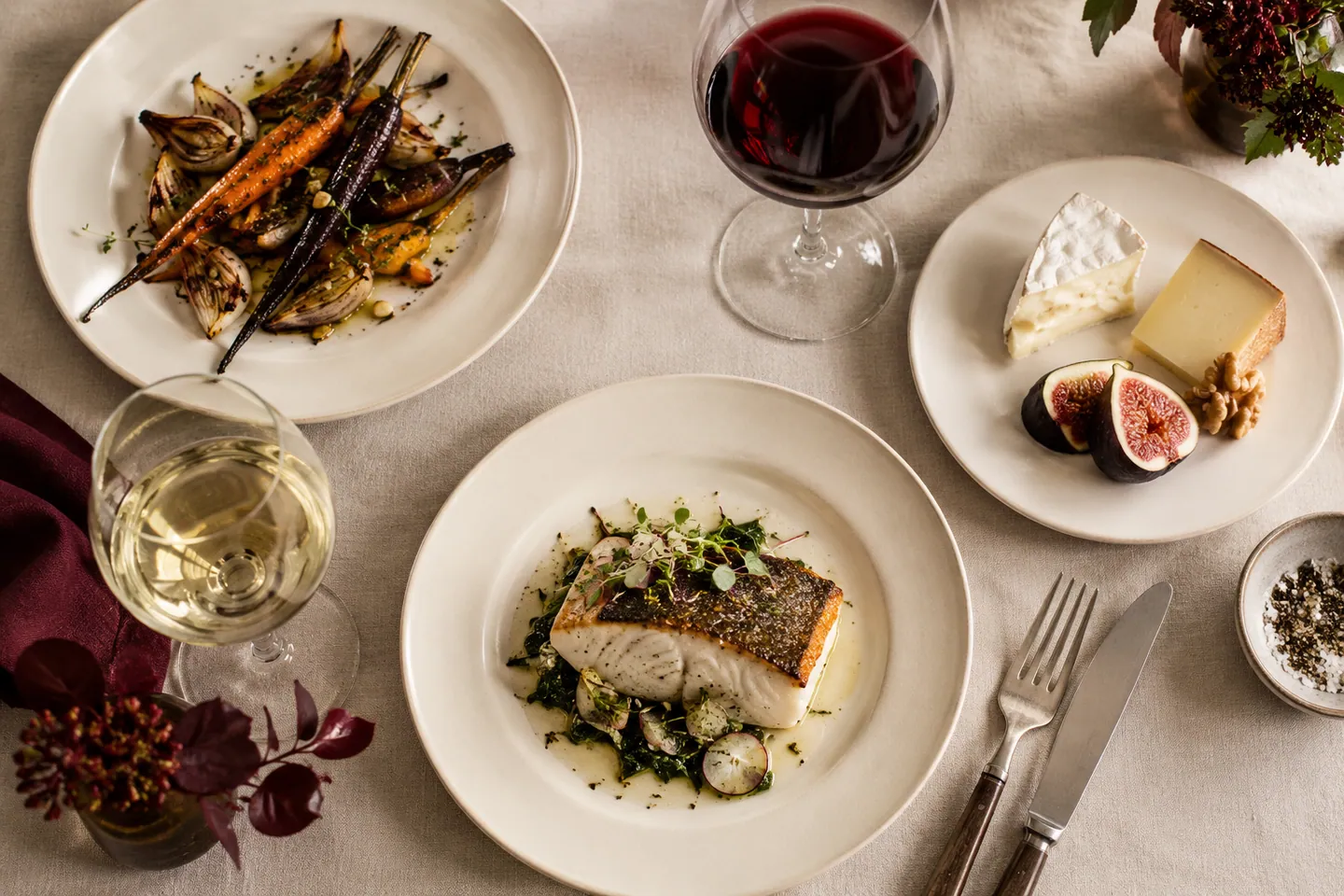
Consider every dish at the table. If sauces and intensity differ widely, ask about two by-the-glass options instead of seeking a single perfect bottle.
Ask what separates two suggestions: origin, grape, ageing and palate. A famous region alone does not tell you whether a wine matches your taste.
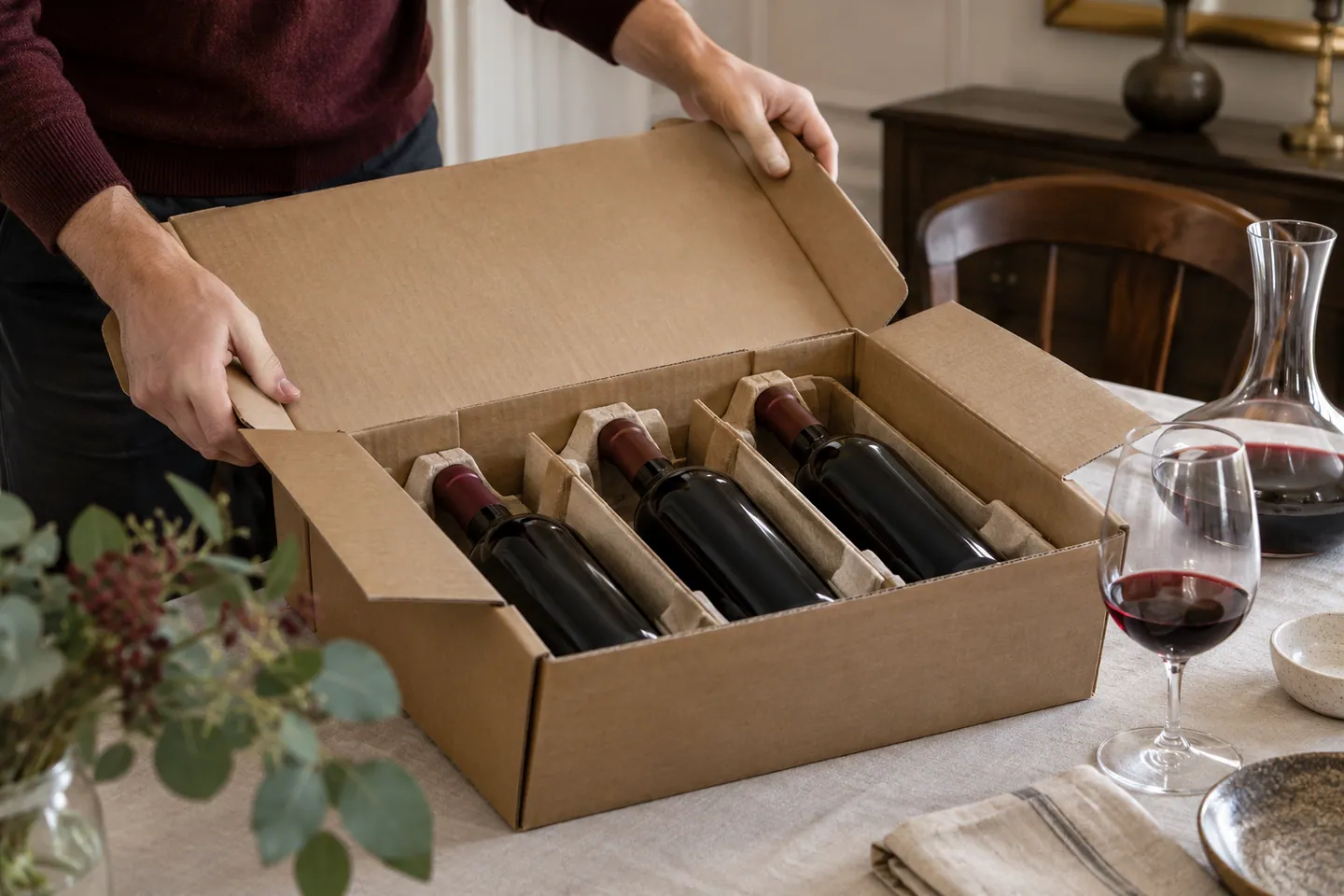
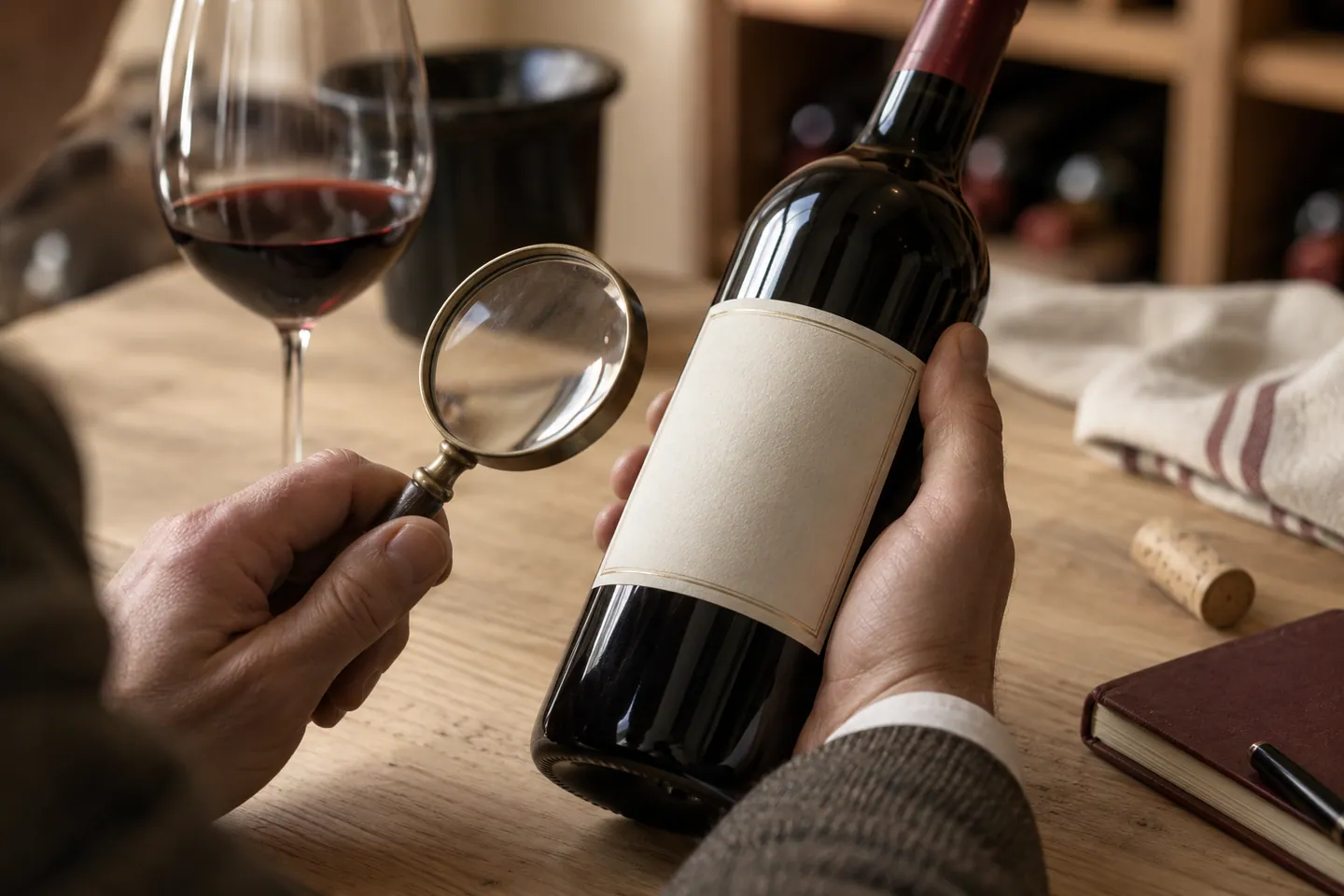
When presented, check producer, bottling and vintage against your order. If a different year is offered, ask before the bottle is opened.
Use the small sample to flag an apparent anomaly. Describe what you smell rather than diagnosing: damp cardboard, absent fruit or an unusual odour. Ask for a second opinion and keep the glass for comparison.
Put the guide into practice
Give the server a budget and a concrete preference: fresh rather than heavy, little oak, or suitable for the actual sauce. A familiar region is only a starting point; ask what makes the proposed bottle fit your request.
An exercise for comparison
Compare the cost of glasses and bottles for the number of people who want wine, including pour size where stated. At service, check the label and vintage against the order. Report a suspected fault calmly with a description rather than a verdict.