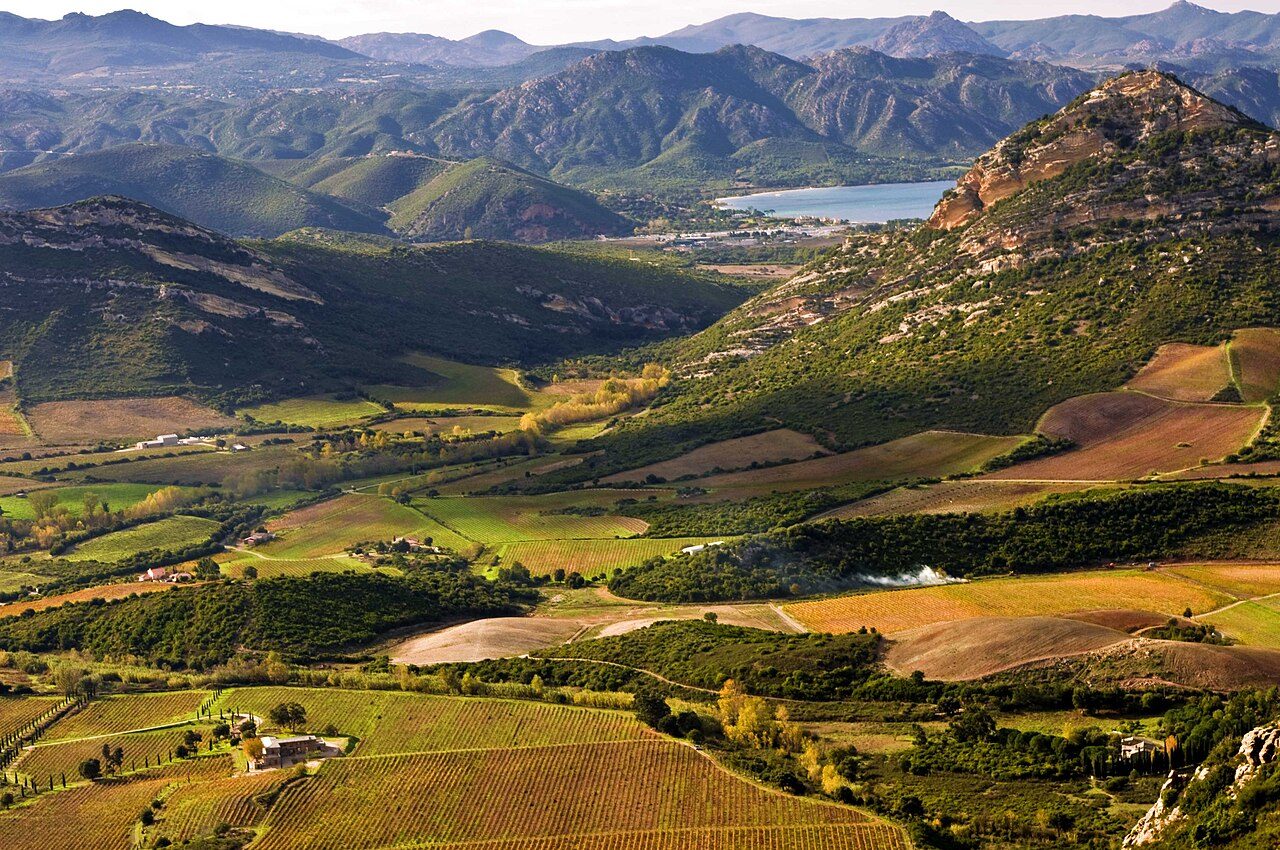

Which appellations appear on Corsican wine labels?
The protected designation “Vin de Corse” can also appear as “Corse”. It may be followed by Calvi, Sartène, Figari, Porto-Vecchio or Coteaux du Cap Corse. Patrimonio, Ajaccio and Muscat du Cap Corse have their own appellations. The “Île de Beauté” protected geographical indication covers the island and has its own rules.
| On the label | What it tells you |
|---|---|
| Patrimonio | In the north, around the Gulf of Saint-Florent. Look for Niellucciu in reds and Vermentinu in whites. The appellation also produces rosé. |
| Ajaccio | On the west coast. Sciaccarellu is the principal red grape. The appellation also produces rosé and white wine. |
| Vin de Corse or Corse | The regional appellation. One of five geographical names may further specify the origin when the wine meets the relevant conditions. |
| Muscat du Cap Corse | A sweet fortified wine made from Muscat Blanc à Petits Grains. “Coteaux du Cap Corse” belongs to the Vin de Corse appellation and identifies a different group of wines. |
Three Corsican grape varieties to look for
- Niellucciu. This dark-skinned grape also appears as Nielluccio in official texts. It is a reference point for Patrimonio reds. PlantGrape identifies Niellucciu with Tuscany’s Sangiovese.
- Sciaccarellu. Also spelt Sciaccarello, this dark-skinned grape is closely associated with Ajaccio and is used in reds and rosés.
- Vermentinu. The Corsican name for Vermentino. It is a starting point for exploring dry whites. Check the producer’s notes for winemaking and maturation.
Which bottles should you try first?
Compare a red Patrimonio with a red Ajaccio from similar vintages. Use the producers’ notes to check the grape varieties and maturation. Serve both at the same temperature and compare freshness, fruit and the feel of the tannins. You are tasting two wines that may differ in both origin and blend.